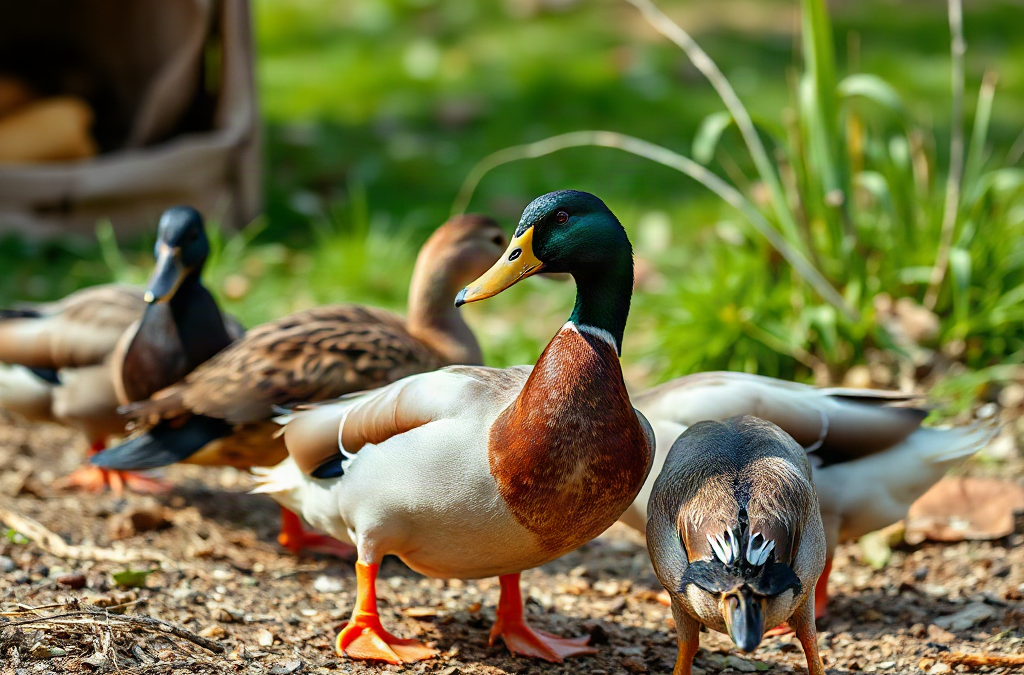
Ducks for homestead eggs need a laying-oriented breed, secure ground-level housing, balanced waterfowl feed, and water deep enough to rinse their eyes and nostrils. Khaki Campbells and Welsh Harlequins are strong egg-focused choices, while heavier dual-purpose breeds usually eat more and may lay fewer eggs. A dry, well-ventilated shelter matters because ducks splash water, dampen bedding quickly, and remain vulnerable to nighttime predators. Keep drinking stations outside the sleeping area when possible, replace wet litter promptly, provide supplemental niacin when the ration requires it, and collect eggs each morning. Consistent laying depends on breed, age, daylight, nutrition, stress, and seasonal molting rather than housing alone.
Choosing Ducks for Reliable Egg Production
Breed choice sets the realistic ceiling for egg production, feed use, temperament, and winter management. A household primarily interested in eggs should favor established laying breeds rather than selecting birds only by color or body size. Khaki Campbells and Welsh Harlequins are commonly kept for sustained laying, while Indian Runners combine active foraging with a distinctive upright build. Pekins grow quickly and serve well in dual-purpose flocks, but their heavier bodies and larger appetites may not suit a feed-efficient egg flock.
Individual results still vary within a breed. Age, daylight, molt, nutrition, weather, and stress all affect the laying cycle, so a breed reputation is not a production guarantee. Pullets may begin laying after reaching maturity, but the timing can shift with hatch date and season. A young duck approaching maturity as daylight declines may wait longer than a spring-hatched bird exposed to lengthening days. Older hens may continue producing useful eggs while laying less frequently than they did in their first seasons.
Flock composition matters as much as breed. A drake is unnecessary for eating eggs; hens lay without one. Unfertilized eggs are suitable for the kitchen, and omitting a drake can simplify management for a small flock. If breeding is planned, avoid keeping too many males with too few females because repeated mating can injure hens, especially when flock members differ greatly in size. A separate pen may be needed when mating pressure becomes visible through feather loss, avoidance, or wounds around the neck and back.
Start with enough ducks to support their social behavior but not more than the property can house through wet weather. Three or four hens are often easier to manage than a large flock on a small run. Ducks kept on limited ground rapidly convert turf into mud around gates and water stations. Before buying birds, calculate shelter space, protected outdoor space, feed storage, winter water access, and where manure-laden bedding will go.
Buy from a source that clearly identifies breed, age, sex, and health status. Straight-run ducklings can leave a household with more drakes than it can safely keep. Sexed females cost more initially but reduce the risk of supporting nonlaying males or arranging rehoming later. Readers comparing breeds can use Ducks for homestead eggs, housing, and care as a working reference while matching production goals to available space.
Building Dry, Secure Duck Housing
Duck housing should prioritize predator resistance, ventilation, dry bedding, and easy cleaning rather than elaborate roosts or nest boxes. Most domestic ducks sleep on the floor and do not need elevated perches. A low shelter with sufficient headroom for the keeper is usually more useful than a cramped miniature house because daily access determines whether damp litter and hidden eggs are addressed promptly.
Ventilation must remove moisture without directing a cold draft across resting birds. Ducks release moisture through breathing and carry water on their bills and feathers, so a sealed building becomes humid even when rain cannot enter. High wall or eave vents protected with sturdy hardware cloth allow moist air to escape. Condensation on the roof, a sharp ammonia odor, or continually matted litter indicates that airflow, bedding depth, stocking density, or water placement needs correction.
Predators exploit weak edges, flexible wire, oversized openings, and doors closed with simple latches. Use robust mesh rather than relying on lightweight poultry netting as the only nighttime barrier. Cover openings, reinforce lower walls, and address digging risk with an outward apron or another site-appropriate barrier. Raccoons can manipulate basic fasteners, while foxes and other digging predators may work along the perimeter. Automatic doors are convenient, but they do not replace evening head counts or inspection for debris that prevents full closure.
Place the main drinking and bathing station outside the sleeping compartment whenever the climate and layout allow. Ducks need drinking water after they are released, but unrestricted water inside overnight housing can soak litter in hours. Where winter conditions require indoor water, set the container over a drained platform or catch basin and leave enough clearance to prevent bedding from being kicked into it. The birds must still be able to immerse their bills, not merely sip from a shallow poultry nipple system.
Straw, large-flake wood shavings, or another absorbent livestock bedding can provide a clean floor when managed correctly. Remove saturated areas instead of covering every wet patch indefinitely. Deep-litter management may work in a ventilated shelter when fresh carbon material is added before odors develop, but it is not a license to retain slimy or ammonia-rich bedding. A small mobile shelter offers fresh ground and simpler manure distribution; a fixed house offers stronger utilities and easier winter access. Choose according to predator pressure, drainage, and how often the structure can realistically be moved.
Feed, Water, and Nutritional Priorities
A complete waterfowl or suitable all-flock ration should carry most of a duck’s diet because laying demands consistent protein, energy, vitamins, and minerals. Scratch grain, bread, garden scraps, and pasture are supplements rather than substitutes for formulated feed. When treats displace too much ration, hens may consume adequate calories while missing nutrients required for eggshell formation, feather growth, and sound legs.
Check the feed label for species and life-stage suitability. Ducklings have different needs from mature laying birds, and niacin availability deserves particular attention during rapid growth. Chick starter is sometimes used when duck feed is unavailable, but it may require knowledgeable adjustment because ducks are not simply chickens that enjoy water. A veterinarian, poultry extension resource, or feed manufacturer can help interpret a specific formulation rather than relying on an improvised dose copied from an unrelated flock.
Adult laying hens need access to calcium appropriate to their ration and production status. If the base feed is formulated for layers, additional calcium should still be offered thoughtfully rather than mixed indiscriminately into every bird’s food. Oyster shell provided in a separate container lets actively laying hens consume more while drakes and nonlaying birds can take less. Thin or misshapen shells warrant a review of total diet, flock stress, age, and health; adding calcium cannot correct every cause.
Water affects feeding because ducks commonly take a bite and then rinse or swallow with water. Keep a drinking vessel close to the feeder, but arrange the station so spilled water drains away from feed and bedding. The container should be deep enough for full bill immersion, allowing birds to clear their nostrils and clean around their eyes. A pond is optional. A dumpable tub or livestock pan can support bathing and feather maintenance with far less excavation and stagnant water, provided it is refreshed before it becomes foul.
A workable feeding check is brief:
- Morning: confirm that feed is dry, fresh, and available to every bird.
- During the day: inspect water for spilled feed, manure, ice, or algae.
- Weekly: feel body condition and look for weight loss hidden beneath feathers.
- At feed changes: transition gradually and watch droppings, appetite, and shell quality.
Free-ranging may lower insect pressure and add dietary variety, but it rarely makes a productive flock feed-free. Foraging value changes with season, soil moisture, vegetation, and the area available. Continue offering a balanced ration and measure consumption over time. Sudden leftovers can signal heat, stale feed, bullying, illness, or an outside food source rather than improved efficiency.
Daily Care, Egg Collection, and Health Checks
A repeatable morning-and-evening routine catches small problems before they become flock emergencies. Release the ducks, count every bird, refresh drinking water, provide feed, and inspect the bedding and enclosure. Ducks often lay during the night or early morning, so collect eggs soon after opening the shelter. Prompt collection reduces breakage, freezing, contamination, and the chance that a bird begins hiding a nest elsewhere.

Eggs may appear in a communal hollow rather than a conventional nest box. Offer quiet floor-level nesting areas with clean bedding and a low lip, then observe where the hens actually choose to lay. Keeping ducks confined to a secure house or run until the morning laying period has passed can reduce hidden nests when birds range over a large property. Once a hen establishes an outdoor nest, search dense grass, brush edges, under structures, and other sheltered spots without assuming every missing egg reflects reduced production.
Clean eggs are best achieved by maintaining clean nests, not by allowing dirt to accumulate and washing everything aggressively. Remove visibly soiled bedding and collect frequently. Handle eggs according to applicable food-safety guidance, especially if they will be sold, stored for an extended period, or served to people at greater risk from foodborne illness. Local rules may govern grading, refrigeration, labeling, and sales, so a household practice should not be assumed to satisfy market requirements.
Health observation should focus on changes from each duck’s normal behavior. Watch the flock walking toward feed: reluctance to move, uneven steps, wing droop, isolation, labored breathing, nasal discharge, swollen joints, dirty vent feathers, or a sudden production drop deserves attention. Ducks often conceal weakness, and dense plumage can hide weight loss or wounds. Gently handling each bird at intervals gives a better view of the feet, breast condition, skin, and feather coverage.
Foot problems often begin where heavy birds repeatedly cross wet, abrasive, or manure-packed ground. Improve drainage, cover sharp surfaces, rotate traffic areas, and keep resting litter dry. Do not treat unexplained swelling by cutting into a foot without veterinary direction; deeper infection and poor wound care can worsen the outcome. Isolate an injured bird only when needed for protection or treatment, and keep visual contact with flockmates where possible to limit stress. A written log of eggs, feed use, molt, weather, and health observations makes Ducks for homestead eggs, housing, and care easier to manage than relying on memory.
Managing Mud, Predators, and Seasonal Changes
Water placement determines whether a duck area remains serviceable or becomes a permanent mud basin. Set containers on gravel, pavers, a slatted platform, or another cleanable surface with intentional drainage. Move portable tubs before the ground is destroyed, and protect high-traffic zones near gates and shelter doors. Simply adding more water to a poorly drained run increases odor, flies, dirty eggs, and foot exposure without improving welfare.
Rotation works when the property has enough area and recovery time. Dividing a run into sections allows vegetation to regrow, but ducks may strip small paddocks faster than anticipated during rainy periods. On limited ground, a sacrifice area with a maintained surface is often more realistic than trying to preserve lawn everywhere. Divert runoff away from wells, waterways, neighboring property, and feed storage, and follow local requirements for manure and wastewater management.
Free-ranging creates a tradeoff between forage access and predator exposure. Supervised ranging, a securely fenced orchard, or a covered run offers more control than unrestricted access. Daytime attacks can occur even when the birds are shut safely at night, and water does not guarantee escape. Domestic breeds may be heavy, slow, or unable to fly effectively. Count birds whenever they change areas and investigate unusual silence, alarm behavior, scattered feathers, or a duck that refuses to leave cover.
Cold weather management centers on liquid drinking water, wind protection, dry footing, and safe access rather than sealing the shelter. Ice around tubs creates fall hazards and can lock doors or saturate bedding as it melts. Heated equipment must be rated for its location, protected from chewing and water exposure, and installed according to its instructions. Carrying smaller water containers more often may be safer than improvising electrical heating in a wet shelter.
Hot weather calls for shade, plentiful clean water, airflow, and reduced crowding. Panting, wings held away from the body, lethargy, or refusal to move suggests heat stress that requires prompt action. During molt or shorter days, egg numbers may fall even when management is sound. Do not respond automatically by overfeeding grain or replacing hens. Review age, feather condition, daylight pattern, diet, parasites, disturbance, and health first. Seasonal records distinguish a normal pause from an abrupt flock-wide change that warrants professional evaluation.
Frequently Asked Questions
Do ducks need a pond to lay eggs?
No. They need constant clean drinking water deep enough to immerse the bill and benefit from a bathing container, but a managed tub can meet those needs without a pond.
Can ducks and chickens share a coop?
They can share some facilities when space, ventilation, feeding, and nighttime safety are adequate, but duck water often makes chicken bedding and roost areas too damp. Separate sleeping zones are usually easier to maintain.
Is a drake required for duck eggs?
No. Hens lay eggs without a male. Keep a drake only when fertile hatching eggs are wanted and the flock can support a safe mating ratio.
Why did my ducks suddenly stop laying?
Shorter daylight, molt, age, diet changes, hidden nests, stress, and illness are common possibilities. Check behavior, body condition, feed intake, nesting locations, and seasonal records before assuming one cause.
How often should duck bedding be changed?
Remove soaked or fouled patches as soon as they appear and replace the full bed when it cannot remain dry or develops odor. Frequency depends on stocking density, ventilation, weather, and water placement.
Conclusion
A productive duck flock is built around manageable numbers, a breed suited to the household’s egg goals, and facilities designed for wet birds rather than adapted casually from chicken housing. Before bringing ducks home, finish the predator barrier, establish drainage beneath water stations, choose an age-appropriate complete ration, and decide how bedding and manure will be handled during the wettest season.
Once the flock arrives, use a simple record of feed use, egg numbers, molt, and unusual behavior. That record will reveal seasonal patterns and make sudden changes easier to investigate. Prioritize dry resting space, clean bill-deep water, balanced nutrition, and twice-daily observation. Those routine controls do more for usable eggs and flock welfare than a decorative pond, oversized shelter, or complicated equipment that cannot be cleaned easily.