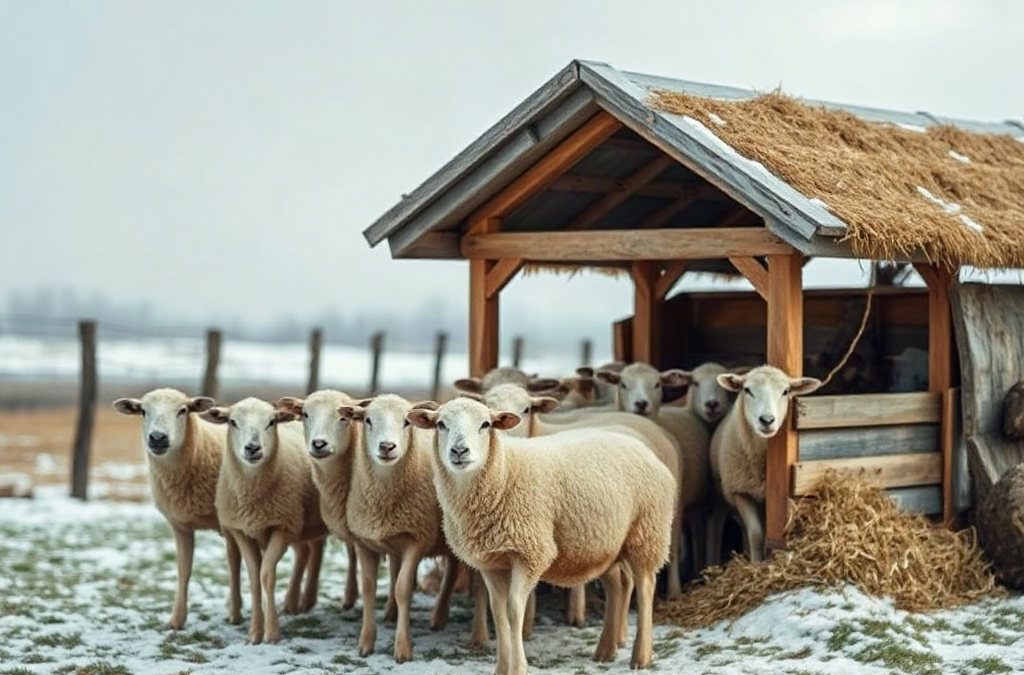
Homesteading sheep successfully means coordinating pasture, shelter, and winter preparation so forage, dry bedding, water, and body condition do not deteriorate at the same time. Rotate grazing before plants are cropped too closely, provide a draft-protected but ventilated shed, and reserve a sacrifice area for periods when grazing would damage wet or dormant ground. Before winter, secure suitable hay, test water systems in freezing conditions, inspect fencing, and assess each animal beneath the fleece rather than judging condition by appearance. Persistent coughing, limping, isolation, appetite loss, or declining condition warrants prompt advice from a veterinarian familiar with sheep.
What you’ll learn
This guide covers the following practical points:
- Match Sheep Numbers to Pasture Capacity — Pasture capacity changes with soil, rainfall, plant species, drainage, season, and previous grazing pressure.
- Use Rotation Without Sacrificing Ground Cover — Move sheep according to forage condition and soil resilience rather than a rigid calendar.
- Build a Dry, Ventilated Sheep Shelter — A useful sheep shelter blocks driving precipitation and prevailing wind while allowing humid air to escape above animal level.
- Prepare Winter Feed, Water, and Body Condition — Winter planning starts before pasture stops growing.
Match Sheep Numbers to Pasture Capacity
Pasture capacity changes with soil, rainfall, plant species, drainage, season, and previous grazing pressure. A stocking estimate borrowed from another farm can fail quickly because two fields of equal size may produce very different amounts of usable forage. Begin with fewer animals than the land appears able to support, then record how long each paddock feeds the flock and how rapidly plants recover.
Sheep select their preferred plants first and may revisit new growth repeatedly. If they remain in one area too long, desirable forage loses leaf area while coarse or unpalatable plants gain an advantage. The visible result is a field with tall rejected patches beside closely grazed spots. That pattern signals uneven use, not abundant feed.
Walk the pasture rather than assessing it from a gate. Check plant density at ground level, bare soil around paths and water points, manure distribution, standing water, toxic plants, damaged fencing, and evidence that sheep are reaching through boundaries. Pasture that is short, muddy, or dormant should not be treated as a complete ration simply because some green material remains.
A practical comparison is a small flock on two well-fenced paddocks versus the same flock on one continuous field. Two paddocks permit one area to rest, but rotation alone does not create forage. If both are grazed faster than they regrow, supplementary feed or fewer animals is the honest solution. The common mistake is adding sheep based on acreage before observing a full growing season.
Use Rotation Without Sacrificing Ground Cover
Move sheep according to forage condition and soil resilience rather than a rigid calendar. Growth accelerates in favorable weather and slows during heat, drought, cold, or waterlogging, so a fixed weekly rotation can be too slow in one month and too fast in another. Leave enough leaf area for regrowth and extend the rest period when recovery stalls.
Temporary electric netting can divide a larger field, but it carries management demands. Vegetation touching the conductors can weaken performance, uneven ground may leave gaps, and animals must be trained to respect the boundary before relying on it near a road or predator corridor. A secure perimeter fence remains the primary containment system; temporary divisions manage grazing inside it.
A sacrifice area protects productive pasture when soil is saturated or forage is unavailable. It is a deliberately chosen feeding and loafing space where hoof traffic can be concentrated instead of spreading compaction and mud across the entire farm. Site it on firm, well-drained ground with convenient access to shelter and water, while considering how runoff and accumulated manure will be managed.
Parasite exposure also belongs in grazing decisions, although pasture rotation is not a guaranteed control by itself. Weather, stocking pressure, grazing height, animal age, and local parasite patterns all affect risk. Use fecal testing and veterinary guidance to shape a flock-specific plan rather than deworming every animal automatically or assuming that moving a fence resets the pasture.
Build a Dry, Ventilated Sheep Shelter
A useful sheep shelter blocks driving precipitation and prevailing wind while allowing humid air to escape above animal level. Closing every opening may feel protective in cold weather, but trapped moisture wets bedding and increases condensation. Draft protection and ventilation are compatible when fresh air enters without blowing directly across resting sheep and warm, damp air can leave near the roof.
The structure should provide enough dry lying space for the whole flock without forcing timid animals into exposed corners. Wide entrances reduce crowding, and more than one exit can prevent a dominant sheep from controlling access. Position feeders so spilled hay does not become expensive bedding, and keep water away from the main sleeping surface when possible.
Inspect the shed from a sheep’s height during poor weather. Look for roof leaks, sharp fasteners, protruding wire, unstable gates, slippery thresholds, and low pockets where ammonia odor or dampness persists. Bedding that mats, smells strongly, or stays wet beneath a clean-looking top layer needs removal or a different moisture-control plan.
Open-front sheds are often simpler to ventilate than tightly enclosed barns, provided the opening faces away from the harshest weather. Fully enclosed housing may be appropriate for lambing, severe conditions, or intensive management, but it demands closer attention to airflow and sanitation. The frequent failure is designing for human comfort—warm and sealed—rather than for a wool-covered animal that needs dryness and clean air.

Prepare Winter Feed, Water, and Body Condition
Winter planning starts before pasture stops growing. Estimate how many sheep will be fed, how long stored forage may be needed, which animals have higher demands, and how much storage can keep hay dry and off the ground. Build a margin for delayed spring growth, spoilage, and weather that increases consumption rather than buying only for an ideal season.
Hay quality matters as much as bale count. Mature, weathered, moldy, or contaminated forage may be poorly consumed or unsuitable even when the stack looks plentiful. A forage analysis can clarify nutritional value, while a veterinarian or qualified livestock nutrition adviser can help balance the ration for maintenance, late gestation, lactation, or growing animals. Introduce feed changes gradually; sudden ration changes can cause digestive trouble.
Body condition must be assessed by handling because fleece conceals weight loss. Feel over the backbone and loin at regular intervals and compare animals consistently. Separate thin sheep, older animals, and those being pushed away from feeders so they can be evaluated and fed appropriately. A sheep that continues losing condition despite adequate access needs investigation rather than simply more communal hay.
Water is a winter feed issue because reduced intake can limit normal eating. Check troughs and valves every day during freezing weather, verify that heated equipment is safely installed, and confirm flow rather than trusting an unfrozen surface. Keep sheep-specific loose mineral available according to local professional guidance; mineral products formulated for other livestock may contain unsuitable copper levels for sheep.
| Winter Checkpoint | Working Condition | Warning Sign |
|---|---|---|
| Stored forage | Dry, protected, and sufficient for a weather margin | Heating, mold, heavy spoilage, or rapidly shrinking supply |
| Water | Clean and flowing at every daily check | Ice blockage, leaks, fouling, or reduced use |
| Body condition | Stable when assessed by touch | Prominent spine, declining condition, or feeder exclusion |
| Shelter | Dry bedding with fresh air above sheep level | Condensation, ammonia odor, drafts, or persistent wetness |
Seasonal Readiness Checklist
A preseason inspection should test systems under realistic conditions rather than merely confirm that supplies exist. A trough heater in storage, hay behind an inaccessible gate, or a shelter blocked by drifting snow cannot protect the flock when conditions deteriorate. Complete repairs while the ground is workable and replacement parts remain easy to obtain.
- Map winter movement: Confirm safe routes between pasture, sacrifice area, hay storage, water, and shelter.
- Audit forage: Count usable inventory, inspect it for spoilage, and identify a backup supplier before shortages occur.
- Test water equipment: Check valves, protected lines, heaters, electrical connections, and a non-electric backup method.
- Handle every sheep: Record body condition and examine feet, fleece, eyes, and general behavior.
- Repair containment: Tighten gates and fencing before snow, frozen soil, or storms complicate the work.
- Prepare isolation space: Keep a dry pen available for an injured, ill, thin, or bullied animal.
Signs that the plan is working include stable body condition, eager but orderly feeding, consistently dry resting areas, reliable water access, and pasture entering dormancy with protective ground cover. Repeated fence pressure, excessive hay waste, muddy gateways, coughing in enclosed housing, or sheep competing aggressively at feeders indicate that capacity or layout needs adjustment.
Do not wait for several symptoms to appear together. A sheep that separates from the flock, stops eating, becomes lame, breathes abnormally, or declines quickly may need prompt veterinary assessment. Winter weather narrows the margin for delay because transport, observation, and treatment become harder after a storm.
Frequently Asked Questions
How much pasture does one sheep need?
No universal acreage fits every property. Forage production, soil, rainfall, grazing season, flock needs, and supplementation determine capacity; begin conservatively and measure regrowth and ground cover.
Do sheep need an enclosed barn during winter?
Not in every climate. They need a dry resting place protected from driving precipitation and harsh wind, with enough ventilation to remove moisture without creating drafts at animal level.
Can sheep live on hay alone in winter?
Suitable hay may form the main winter ration, but adequacy depends on its tested quality and each sheep’s production stage and condition. Water and sheep-appropriate minerals also remain necessary.
Should sheep stay on pasture when the ground is muddy?
Extended traffic on saturated ground damages roots, compacts soil, and creates hoof and sanitation problems. Move the flock to a well-drained sacrifice area until the pasture can carry animals without severe damage.
How can I tell whether a sheep is losing weight under its fleece?
Use hands-on body-condition assessment over the spine and loin rather than visual judgment. Learn the method from a veterinarian or experienced sheep professional and record findings consistently.
Conclusion
Sound sheep management protects forage before it is depleted, keeps resting areas dry without sealing out fresh air, and enters winter with verified feed, water, fencing, and animal-condition plans. Walk the property now, identify the first place likely to become muddy or inaccessible, handle every sheep, and test cold-weather equipment. Adjust flock numbers or supplementary feeding when the land cannot recover; infrastructure cannot compensate indefinitely for excess grazing pressure.