
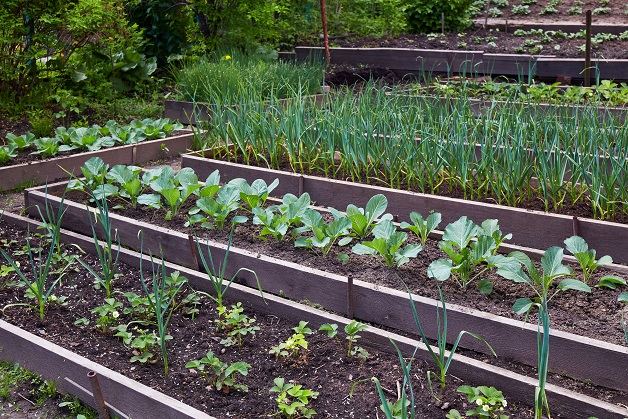
Instant Answer: A homesteading lifestyle promotes self-sufficiency by allowing you to grow your own food, raise animals, and reduce reliance on commercial systems. It can lead to healthier living, lower living costs, and a stronger connection to nature. Additionally, homesteading fosters resilience and skills that can be valuable during economic or environmental uncertainties. Overall, it offers a sustainable way to live more independently and intentionally.

Table of Contents
- Benefits of Embracing a Homesteading Lifestyle
- Introduction to Homesteading
- Financial Independence and Cost Savings
- Health and Well-Being
- Environmental Sustainability
- Resilience and Self-Sufficiency
- Community Connection and Education
- Environmental Impact of Homesteading
- Personal Fulfillment and Lifestyle Satisfaction
- Conclusion
- Other Questions People Ask
- What is homesteading lifestyle and why is it important?
- How can you get the best results with homesteading lifestyle?
- What common mistakes should you avoid with homesteading lifestyle?
Benefits of Embracing a Homesteading Lifestyle
Embracing a homesteading lifestyle transforms everyday routines into a deliberate dance with nature, where tending to a vegetable garden or caring for livestock becomes a source of genuine satisfaction. It’s a shift toward self-reliance that deepens your connection to the land and the seasons, fostering a sense of purpose rooted in tangible, hands-on work. As you learn to harvest, preserve, and troubleshoot, a newfound resilience emerges—one that can weather economic fluctuations and environmental challenges with confidence. Living this way often reveals the simple beauty of slow, mindful living, where each task contributes to a more sustainable and fulfilling existence.
Introduction to Homesteading
Homesteading is more than just a trend; it’s a lifestyle choice that emphasizes self-sufficiency, sustainability, and a deep connection to the land. Whether you own a sprawling farm or a modest backyard, adopting homesteading principles can transform your daily life. It involves growing your own food, raising animals, conserving resources, and creating a resilient household that can withstand economic and environmental challenges.
Financial Independence and Cost Savings
One of the most immediate benefits of homesteading is the potential for significant cost savings. By growing your own vegetables like tomatoes, zucchinis, and leafy greens, you reduce grocery bills. For example, a small vegetable garden can produce enough produce to last your family through the summer and fall, saving hundreds of dollars annually. Raising chickens for eggs can also cut down on grocery expenses while providing fresh, organic eggs daily.
Moreover, homesteading encourages resourcefulness. Preserving food through canning, drying, or fermenting extends your harvest and reduces waste. For instance, making homemade jams from seasonal berries or fermenting vegetables for probiotic-rich sauerkraut can save money and improve your health.
In addition to food savings, homesteaders often generate income through selling excess produce, eggs, or handmade crafts at local markets or online platforms. This supplemental income can help offset initial investments in tools or livestock, making homesteading a financially sustainable venture over time.
Health and Well-Being
Growing your own food ensures access to fresh, organic produce free from pesticides and chemicals. Consuming homegrown vegetables and herbs like basil, cilantro, and kale can boost your immune system and improve overall health. For example, eating freshly picked spinach or strawberries directly from your garden provides higher nutrient levels compared to store-bought counterparts.
Homesteading also promotes physical activity. Tasks such as planting, weeding, composting, and caring for animals keep you active and engaged. This physical labor not only improves fitness but also reduces stress levels. Spending time outdoors has been shown to lower cortisol levels and enhance mental clarity.
Furthermore, caring for animals like chickens or goats fosters a sense of responsibility and companionship. The routine of feeding and tending animals can be therapeutic, especially for children and seniors, fostering emotional well-being and a sense of purpose.
Environmental Sustainability
Homesteading encourages eco-friendly practices that reduce your carbon footprint. Composting kitchen scraps and yard waste creates rich soil that nourishes your garden naturally. For example, turning vegetable peelings and coffee grounds into compost decreases landfill waste and enriches your soil without synthetic fertilizers.
Rainwater harvesting systems can provide water for irrigation, reducing reliance on municipal water supplies. Installing solar panels or wind turbines can further decrease energy consumption and lower utility bills.
Growing native plants and heirloom varieties supports local biodiversity. Creating habitats for pollinators like bees and butterflies helps maintain healthy ecosystems. For instance, planting wildflowers or flowering herbs attracts beneficial insects that pollinate crops and control pests naturally.
Resilience and Self-Sufficiency
Homesteading builds resilience against economic fluctuations and supply chain disruptions. During times of crisis—such as natural disasters or pandemics—having a well-stocked pantry of preserved foods and a reliable source of fresh produce can be lifesaving. For example, home-canned tomatoes or frozen berries ensure you have nutritious options even when markets are inaccessible.
Raising animals like chickens provides a steady supply of eggs and meat, reducing dependence on grocery stores. Additionally, growing medicinal herbs such as chamomile, lavender, or echinacea allows you to create natural remedies for common ailments without relying solely on pharmaceuticals.
This lifestyle also fosters skills that are invaluable in emergencies, including gardening, food preservation, basic veterinary care, and renewable energy management. These skills cultivate independence and confidence in managing your household’s needs.
Community Connection and Education
Homesteading often leads to stronger community ties. Sharing surplus produce with neighbors or participating in local farmers’ markets fosters relationships based on mutual support. For example, exchanging homemade jams or offering gardening tips creates a sense of camaraderie.
It also provides educational opportunities for children and adults alike. Learning how to plant seeds, care for animals, or build compost bins imparts practical skills that are increasingly rare in modern society. Workshops on food preservation or sustainable farming practices can be organized through local community centers or online platforms.
This lifestyle encourages a return to traditional knowledge and crafts, such as soap making, woodworking, or herbal medicine preparation. These skills not only preserve cultural heritage but also promote self-reliance.
Environmental Impact of Homesteading
By reducing reliance on industrial agriculture and processed foods, homesteaders contribute to a healthier planet. Organic gardening practices avoid synthetic pesticides and fertilizers that can pollute waterways and harm wildlife. For example, integrated pest management techniques use beneficial insects to control pests naturally.
Growing your own food minimizes transportation emissions associated with supermarket supply chains. Additionally, composting organic waste reduces methane emissions from landfills while producing valuable soil amendments.
Implementing renewable energy solutions like solar panels not only cuts energy costs but also decreases greenhouse gas emissions. Collectively, these practices foster a more sustainable lifestyle that aligns with environmental conservation goals.
Personal Fulfillment and Lifestyle Satisfaction
Many homesteaders find profound satisfaction in reconnecting with nature and taking control over their food sources. Watching seedlings sprout into mature plants or caring for animals provides a sense of accomplishment that is often missing in modern urban life.
The slow pace of homesteading encourages mindfulness and patience. Preparing meals from scratch using ingredients grown on your property fosters gratitude and awareness of the food cycle. For example, harvesting fresh herbs for cooking or collecting eggs at dawn creates meaningful routines that enhance daily life.
This lifestyle also offers creative outlets—designing permaculture gardens, building DIY projects, or experimenting with new recipes—leading to personal growth and fulfillment.
Conclusion
Embracing a homesteading lifestyle offers numerous benefits—from financial savings and improved health to environmental sustainability and personal fulfillment. It empowers individuals to take control of their resources, foster community connections, and develop resilient skills that serve them throughout their lives. Whether you have acres of land or a small backyard plot, implementing homesteading principles can lead to a richer, more sustainable way of living that nurtures both body and soul.
Other Questions People Ask
How can embracing a homesteading lifestyle improve your financial stability?
By growing your own food and raising animals, you can significantly cut grocery bills and reduce reliance on commercial food sources. Preserving excess harvest through canning or fermenting extends your supplies and saves money. Additionally, selling surplus produce or crafts can generate extra income, making homesteading a sustainable financial choice.
What are the health benefits of adopting a homesteading lifestyle?
Growing organic vegetables and herbs ensures access to nutrient-rich, pesticide-free foods that boost immunity. The physical activity involved in gardening and caring for animals also enhances fitness and reduces stress. Spending time outdoors and engaging in hands-on tasks promotes emotional well-being and mental clarity.
In what ways does a homesteading lifestyle support environmental sustainability?
Homesteading encourages eco-friendly practices like composting, rainwater harvesting, and using renewable energy sources to lower your carbon footprint. Growing native plants and creating habitats for pollinators help maintain local biodiversity. These sustainable methods reduce waste and reliance on synthetic resources, benefiting the environment.

