
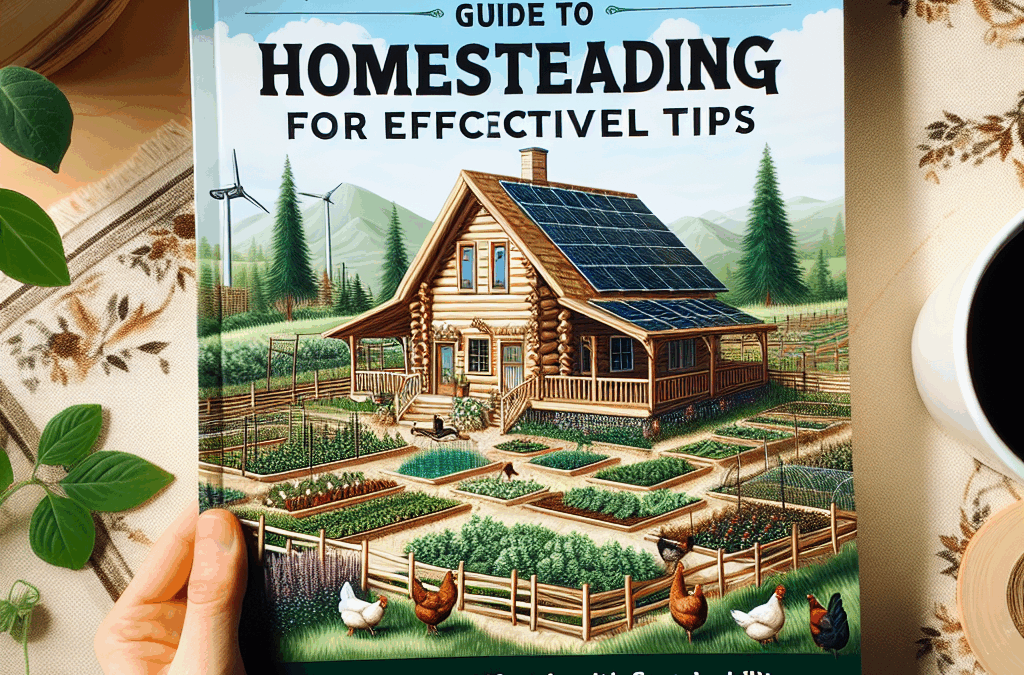
Instant Answer: A homesteading lifestyle involves living self-sufficiently by growing food, raising animals, and producing necessary goods on a personal property. It emphasizes sustainability, independence, and reducing reliance on commercial systems. Homesteaders often engage in activities like gardening, preserving food, and DIY projects to meet their daily needs. This lifestyle promotes a closer connection to nature and a simpler, more eco-friendly way of living.
Table of Contents
- Embracing a Homesteading Lifestyle for Sustainable Living
- Understanding the Core Principles of Homesteading
- Starting Your Homesteading Journey: Practical Steps
- Building Skills for Long-Term Success
- Examples of Successful Homesteads
- The Benefits of Living a Homesteading Lifestyle
- Overcoming Challenges on Your Homesteading Path
- The Future of Sustainable Living Through Homesteading
- Conclusion: Take the First Step Today
- Other Questions People Ask
- What are the essential skills needed for a successful homesteading lifestyle?
- How can I start a small-scale homestead on a limited budget?
- What are the benefits of adopting a homesteading lifestyle?
Embracing a Homesteading Lifestyle for Sustainable Living
Embracing a homesteading lifestyle offers a refreshing departure from the hustle of modern life, inviting individuals to reconnect with the land and take control of their daily sustenance. It’s about transforming a patch of earth into a thriving, self-sufficient haven—planting vegetables, tending to livestock, and crafting essentials by hand. This way of living fosters a deep sense of independence, where each harvest and handmade item becomes a small act of resilience. Beyond the practical benefits, it cultivates a profound appreciation for nature’s rhythms and the satisfaction of creating a simpler, more sustainable existence.
Understanding the Core Principles of Homesteading
At its heart, homesteading is about self-reliance and sustainability. It involves cultivating your own food, generating your own energy, and creating a living environment that minimizes waste and dependence on industrial systems. Key principles include:
- Food sovereignty: Growing and preserving your own food to ensure nutritional security and reduce reliance on store-bought produce.
- Energy independence: Utilizing renewable energy sources such as solar, wind, or micro-hydro systems to power your homestead.
- Water conservation and management: Harvesting rainwater, implementing greywater systems, and ensuring clean water access.
- Waste reduction: Composting organic waste, recycling, and reusing materials to minimize landfill contributions.
- Community engagement: Sharing resources, knowledge, and labor with neighbors to build resilient local networks.
Starting Your Homesteading Journey: Practical Steps
Embarking on a homesteading lifestyle can seem overwhelming at first, but breaking it down into manageable steps makes the process enjoyable and achievable. Here are some specific actions to consider:
1. Assess Your Land and Resources
Begin by evaluating your property’s size, soil quality, sunlight exposure, water sources, and existing infrastructure. For example, if you have a south-facing yard with full sun exposure, it’s ideal for vegetable gardening and solar panel installation. Conduct soil tests to determine nutrient levels and pH balance; amend the soil with compost or organic matter as needed. Identify natural water sources such as streams or ponds that can be utilized for irrigation or livestock watering.
2. Plan Your Food Production Systems
Create a diversified plan that includes vegetable gardens, fruit trees, herbs, and small-scale livestock if space permits. For instance, planting perennial berries like raspberries or blackberries can provide years of harvest with minimal maintenance. Incorporate raised beds for vegetables such as tomatoes, carrots, and lettuce to maximize space and improve soil drainage. Consider starting a compost bin to recycle kitchen scraps and garden waste into nutrient-rich soil. If you have room for animals, chickens are an excellent choice—they provide eggs, pest control through their foraging habits, and manure for composting.
3. Implement Water Management Techniques
Installing rain barrels connected to downspouts allows you to collect rainwater for garden irrigation. For example, a 55-gallon rain barrel can supply enough water for small vegetable patches during dry spells. Digging a pond or installing a greywater system can further enhance water efficiency. Greywater systems reuse water from sinks or washing machines for irrigation purposes, reducing overall water consumption. Ensure all water harvesting methods comply with local regulations.
4. Generate Renewable Energy
If feasible, install solar panels on your roof or property to offset electricity costs. For example, a 5kW solar system can produce enough energy to power most household appliances in a typical home. Wind turbines are another option if your location experiences consistent wind speeds above 10 mph. Micro-hydro systems are suitable if you have access to flowing water on your property. These renewable energy sources not only lower utility bills but also decrease reliance on fossil fuels.
5. Practice Sustainable Waste Management
Set up composting systems for kitchen scraps and yard waste. Composting not only reduces waste sent to landfills but also produces valuable soil amendment for your garden. Use biodegradable containers and avoid single-use plastics whenever possible. Reuse materials such as pallets for building garden beds or furniture. Recycling programs in your community can help divert recyclable materials from landfills.
Building Skills for Long-Term Success
Homesteading is an ongoing learning process. Developing skills in areas such as permaculture design, organic gardening, animal husbandry, food preservation, and natural building techniques will enhance your self-sufficiency. Consider taking workshops or online courses from reputable organizations like the Sustainable Agriculture Research & Education (SARE) program or local cooperative extension offices.
Examples of Successful Homesteads
Many homesteaders have transformed small plots into thriving ecosystems. For example:
- The Urban Homestead in Los Angeles: A family transformed their backyard into a permaculture oasis with vegetable beds, fruit trees, chickens, and rainwater harvesting systems.
- The Eco-Village in Ithaca: A community-based project where residents share resources like tools, seed banks, and communal spaces to promote sustainability.
- The Permaculture Farm in Vermont: An operation that integrates animals, perennial plants, and water management to create a resilient farm system that produces food year-round.
The Benefits of Living a Homesteading Lifestyle
Adopting homesteading practices offers numerous advantages beyond environmental sustainability:
- Healthier diet: Access to fresh, organic produce free from pesticides and preservatives.
- Financial savings: Reduced grocery bills and energy costs over time.
- Resilience: Greater preparedness for economic or environmental disruptions by producing your own essentials.
- Personal fulfillment: Developing new skills and fostering a sense of accomplishment through hands-on work.
- Community connections: Building relationships with neighbors through shared projects and resource exchanges.
Overcoming Challenges on Your Homesteading Path
While the benefits are substantial, homesteading also presents challenges such as initial investment costs, learning curves, and time commitments. To navigate these hurdles:
- Start small: Focus on one or two projects like vegetable gardening or rainwater harvesting before expanding.
- Seek support: Join local homesteading groups or online forums to share knowledge and troubleshoot issues.
- Prioritize education: Read books, watch tutorials, and attend workshops to build confidence and competence.
- Plan financially: Budget for necessary tools and infrastructure upgrades gradually rather than all at once.
The Future of Sustainable Living Through Homesteading
The movement toward self-sufficient living is gaining momentum as more individuals recognize the importance of reducing reliance on industrial systems and reconnecting with nature. Advances in renewable energy technology, sustainable farming practices, and community-based initiatives continue to make homesteading more accessible and effective. Embracing this lifestyle not only benefits your household but also contributes to broader efforts to combat climate change and preserve natural resources for future generations.
Conclusion: Take the First Step Today
No matter your starting point—be it a small backyard or a large rural property—every effort toward homesteading counts. Begin by assessing your land’s potential, setting achievable goals, and gradually implementing sustainable practices. Remember that patience and persistence are key; over time, you will develop a resilient homestead that provides nourishment, energy independence, and a profound sense of connection with the earth. Start today and join the growing community of individuals committed to living more sustainably and harmoniously with nature.
Other Questions People Ask
What are some practical ways to start embracing a homesteading lifestyle for sustainable living on a limited budget?
Begin by assessing your land and resources, focusing on small-scale projects like vegetable gardening and composting. Use inexpensive materials such as recycled pallets for garden beds and rain barrels for water collection. Prioritize learning skills like food preservation and natural building techniques through online courses or local workshops to maximize your efforts without overspending.
How can adopting a homesteading lifestyle promote sustainability and independence?
Homesteading encourages growing your own food, harvesting rainwater, and generating renewable energy, which reduces reliance on industrial systems. By practicing waste reduction through composting and recycling, you minimize environmental impact. This lifestyle fosters resilience by building self-sufficiency in daily needs like food, water, and energy.
What essential skills should I develop to succeed in embracing a homesteading lifestyle for sustainable living?
Focus on skills such as organic gardening, animal husbandry, food preservation, and natural building techniques. These abilities help you produce your own food, manage waste sustainably, and create a resilient homestead. Taking workshops or online courses can accelerate your learning and prepare you for long-term success in sustainable living.

