
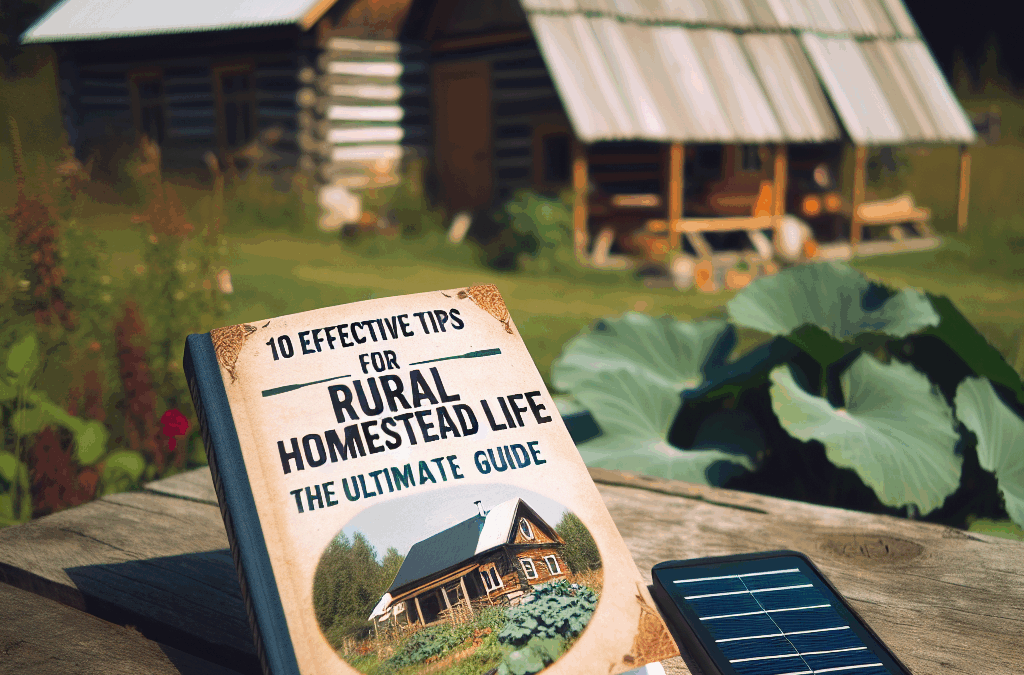
Instant Answer: Adopting a homesteading lifestyle promotes self-sufficiency by enabling individuals to grow their own food, raise animals, and produce essential goods, reducing reliance on external sources. It encourages sustainable living practices that minimize environmental impact through organic farming and renewable energy use. Additionally, homesteading fosters a stronger connection to nature and community, leading to improved mental well-being and resilience. Overall, it offers greater control over one’s lifestyle, health, and ecological footprint.

Table of Contents
- The Benefits of Embracing a Homesteading Lifestyle
- Enhanced Food Security and Self-Reliance
- Environmental Sustainability and Eco-Friendliness
- Physical Health and Well-Being
- Financial Savings and Economic Resilience
- Community Building and Knowledge Sharing
- Educational Opportunities for All Ages
- Preservation of Heritage and Biodiversity
- Personal Fulfillment and Connection with Nature
- Getting Started with Homesteading Today
- Other Questions People Ask
- How can I start a small-scale homestead with limited space?
- What tips can help beginners succeed with homesteading lifestyle?
- How does homesteading lifestyle compare to alternatives?
The Benefits of Embracing a Homesteading Lifestyle
Embracing a homesteading lifestyle transforms everyday living into a deliberate act of connection—grounding oneself in the rhythms of nature and self-reliance. It’s about cultivating a patch of land, tending to animals, and harvesting the fruits of your labor with a sense of pride and purpose. This way of life encourages mindful choices that reduce dependence on commercial systems, fostering a deeper appreciation for sustainability and resourcefulness. As the seasons change, so does the relationship with the land, nurturing resilience and a profound sense of community rooted in shared effort and simple pleasures.
Adopting a homesteading lifestyle is more than just a trend; it’s a profound shift towards self-sufficiency, sustainability, and a deeper connection with nature. Whether you’re dreaming of growing your own organic vegetables, raising livestock, or simply reducing your carbon footprint, homesteading offers numerous benefits that can transform your life in meaningful ways. In this comprehensive guide, we’ll explore the many advantages of embracing homesteading, supported by real-life examples and practical tips to help you get started today.
Enhanced Food Security and Self-Reliance
One of the most compelling reasons to pursue homesteading is the increased control over your food supply. Growing your own vegetables, fruits, and herbs ensures that you have access to fresh, organic produce free from pesticides and preservatives. For instance, many homesteaders cultivate heirloom tomato varieties like Brandywine or Cherokee Purple, which are prized for their rich flavors and adaptability to small-scale gardens. Raising chickens for eggs or goats for milk further enhances self-reliance, reducing dependence on grocery stores and commercial suppliers.
By establishing a diverse garden with seasonal crops such as kale, carrots, and squash, and integrating small-scale livestock like heritage breed pigs or heritage chickens, homesteaders create a resilient food system. This not only provides nutritious meals but also offers peace of mind during economic downturns or supply chain disruptions. Many families report saving hundreds of dollars annually by producing their own food and avoiding rising grocery prices.
Environmental Sustainability and Eco-Friendliness
Homesteading promotes sustainable living practices that minimize environmental impact. Composting kitchen scraps and yard waste reduces landfill contributions while creating nutrient-rich soil for gardens. Rainwater harvesting systems can supply irrigation needs, decreasing reliance on municipal water sources. For example, some homesteaders install rain barrels connected to downspouts to collect water during rainy seasons, which they then use to water their vegetable beds and fruit trees.
Growing organic produce without synthetic fertilizers or pesticides helps preserve local ecosystems and pollinator populations. Raising animals responsibly—such as rotational grazing sheep or chickens—can improve soil health through natural fertilization and pest control. Many homesteaders also prioritize renewable energy sources like solar panels or wind turbines to power their homes, further reducing their carbon footprint.
Physical Health and Well-Being
Engaging in hands-on activities like planting, harvesting, and caring for animals provides excellent physical exercise. Gardening alone can burn hundreds of calories per hour while strengthening muscles and improving flexibility. For example, digging trenches for new vegetable beds or pruning fruit trees involves physical effort that contributes to overall fitness.
Moreover, consuming fresh, homegrown food supports better nutrition. Many homesteaders report improvements in their health after switching to organic diets rich in vegetables, fruits, and pasture-raised meats. The mental health benefits are equally significant; working outdoors reduces stress, boosts mood, and fosters a sense of accomplishment. Spending time tending to animals like bees or chickens can also provide therapeutic benefits and a sense of purpose.
Financial Savings and Economic Resilience
While initial setup costs for a homestead can be substantial—such as purchasing seeds, livestock, tools, and building infrastructure—the long-term savings are notable. Producing your own food reduces grocery bills significantly; for example, a family of four might save over $1,000 annually by growing their own vegetables and raising chickens for eggs.
Homesteading also opens opportunities for additional income streams. Selling surplus produce at local farmers’ markets or offering handmade goods like jams, honey, or craft items can generate extra revenue. Some homesteaders even rent out part of their land for agritourism activities or workshops on sustainable living practices.
This economic resilience becomes especially valuable during economic downturns or inflationary periods when food prices soar. Homesteaders often find that their investment in self-sufficiency pays off in both savings and peace of mind.
Community Building and Knowledge Sharing
Homesteading fosters strong community ties through shared knowledge, skills exchange, and cooperative efforts. Participating in local seed swaps or joining gardening clubs connects you with like-minded individuals who can offer advice and support. For example, community-supported agriculture (CSA) programs allow neighbors to buy shares of a local farm’s harvest, fostering mutual dependence and trust.
Many homesteaders host workshops on topics such as canning, composting, or permaculture design. These gatherings promote skill sharing and strengthen social bonds. Additionally, volunteering at community gardens or participating in local farmers’ markets helps build a sense of belonging and collective resilience.
Educational Opportunities for All Ages
Homesteading provides rich educational experiences for children and adults alike. Kids learn about biology, ecology, and responsibility by caring for animals or tending vegetable patches. For example, children involved in raising chickens often develop a deeper understanding of life cycles and animal husbandry.
Adults can acquire new skills such as woodworking, herbal medicine making, or food preservation techniques like canning and fermenting. Many communities offer classes or online courses that complement hands-on learning on the homestead. This continuous education fosters confidence and independence while passing valuable knowledge to future generations.
Preservation of Heritage and Biodiversity
Homesteading encourages the preservation of heirloom plant varieties and traditional farming methods that are at risk of being lost in industrial agriculture. Growing heirloom tomatoes like Black Krim or preserving old apple varieties helps maintain genetic diversity essential for resilient ecosystems.
Similarly, raising heritage breeds such as Berkshire pigs or Dominique chickens supports biodiversity and animal welfare standards that prioritize natural behaviors and genetic diversity over commercial productivity. These efforts contribute to a more resilient agricultural landscape capable of adapting to changing environmental conditions.
Personal Fulfillment and Connection with Nature
Perhaps the most intangible yet profound benefit of homesteading is the deep sense of fulfillment it provides. Living close to nature allows you to observe seasonal changes firsthand—watching bulbs sprout in spring or harvesting ripe tomatoes in summer fosters gratitude and mindfulness.
This lifestyle encourages patience, responsibility, and resilience as you navigate challenges like pests or weather fluctuations. Many homesteaders describe their journey as a path toward greater self-awareness and harmony with the environment. The simple pleasure of tasting freshly picked strawberries or gathering eggs at dawn creates daily moments of joy that enrich life’s meaning.
Getting Started with Homesteading Today
If you’re inspired to embrace this rewarding lifestyle, start small by planting a vegetable garden or keeping a few chickens. Research local regulations regarding livestock and land use to ensure compliance. Connect with experienced homesteaders through online forums or local groups for mentorship and advice.
Invest in quality tools such as ergonomic shovels, compost bins, and rainwater collection systems to make your efforts more efficient. Educate yourself on sustainable practices like crop rotation, permaculture design, and organic pest management to maximize your success.
Remember that homesteading is a journey—progress may be gradual but every step brings you closer to greater independence, environmental stewardship, and personal fulfillment. With patience and perseverance, you can create a thriving homestead that nourishes your body, mind, and soul for years to come.
Other Questions People Ask
What are some practical advantages of adopting a homesteading lifestyle for self-sufficiency?
Adopting a homesteading lifestyle allows you to grow your own food, raise animals, and produce essential goods, significantly reducing reliance on external sources. This self-sufficiency provides greater control over your diet and can lead to substantial savings on grocery bills. Additionally, it enhances resilience during economic or supply chain disruptions by creating a more independent food system.
How does embracing a homesteading lifestyle contribute to environmental sustainability?
Homesteading promotes eco-friendly practices such as composting, rainwater harvesting, and organic farming, which minimize environmental impact. Growing food without synthetic chemicals helps protect local ecosystems and pollinators. Using renewable energy sources like solar panels further reduces your carbon footprint, supporting sustainable living.
In what ways can a homesteading lifestyle improve physical health and mental well-being?
Engaging in gardening and animal care provides regular physical activity that boosts fitness and flexibility. Consuming fresh, homegrown produce supports better nutrition, while working outdoors reduces stress and enhances mood. The sense of accomplishment from tending to your land and animals fosters mental resilience and overall well-being.

