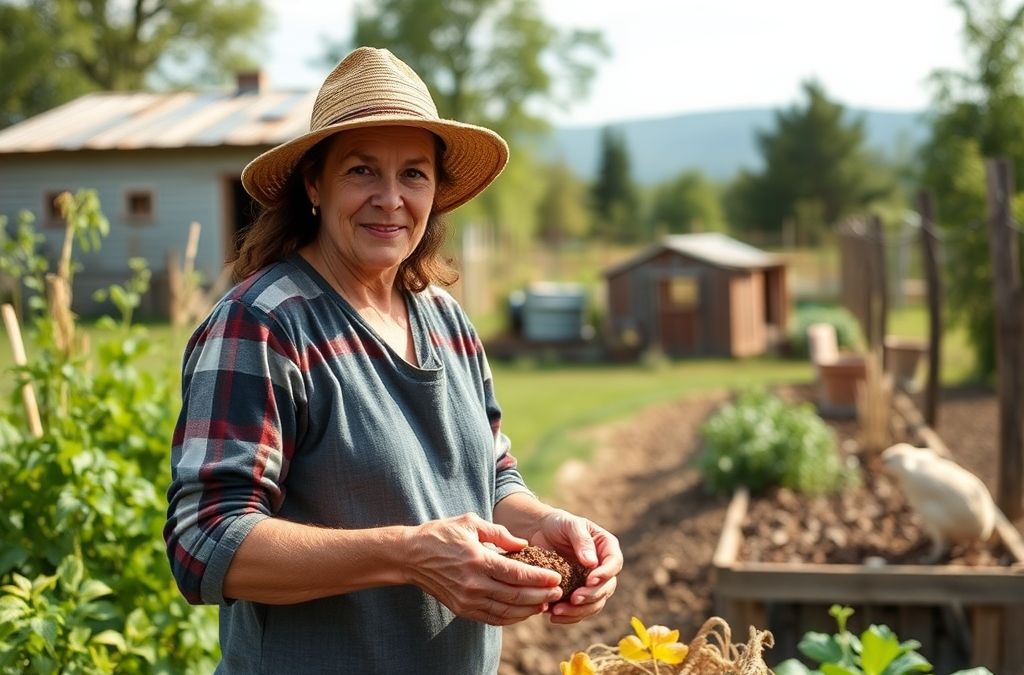
Understanding the costs of homesteading compared to traditional living involves evaluating initial investments, ongoing expenses, and potential savings. Homesteading often requires upfront costs for land, tools, and infrastructure, while traditional living may have recurring rent or mortgage payments. However, homesteaders can save on food and utilities over time, making it a financially viable alternative in the long run. Key factors include evaluating resource availability, lifestyle preferences, and long-term goals.
Initial Costs of Homesteading
The initial costs associated with homesteading can be substantial and vary greatly depending on the location and scale of the operation. Key expenses often include purchasing land, building infrastructure such as homes, barns, and greenhouses, and acquiring necessary tools and equipment. For instance, a small plot of land might cost anywhere from $5,000 to $50,000 or more, depending on the region.
Investing in sustainable practices, like solar panels or rainwater collection systems, can further increase upfront costs but may provide long-term savings. Additionally, individuals should factor in costs for seeds, livestock, and initial food supplies. It’s crucial to create a realistic budget that encompasses these elements, as underestimating initial investments can lead to financial strain and project failure.
Ongoing Expenses in Traditional Living
Traditional living typically involves recurring expenses that can accumulate over time. Rent or mortgage payments are often the largest monthly costs, alongside utilities such as electricity, water, and gas. For instance, the average American family spends roughly $1,500 per month on housing-related costs alone.
In addition to housing, traditional living may require ongoing costs for groceries, transportation, and insurance. While some may argue that these expenses are predictable, they can fluctuate due to market changes, inflation, or personal circumstances. Understanding these ongoing costs is essential when evaluating the financial viability of traditional living versus homesteading.
Long-Term Savings and Benefits
Homesteading can lead to significant long-term savings, particularly in food production and utility costs. By growing their own food, homesteaders can reduce grocery bills substantially. For example, a well-maintained vegetable garden can yield hundreds of dollars worth of produce each season, while also providing fresh, organic options.
Moreover, homesteaders often implement energy-efficient systems that lower utility expenses over time. While the initial investment may be high, the return on investment (ROI) can be favorable in the long run, particularly as energy costs rise. Furthermore, the lifestyle associated with homesteading can contribute to improved mental well-being, a sense of community, and a more sustainable way of living, which are valuable benefits that go beyond mere financial considerations.
Comparative Analysis of Lifestyle Choices
When comparing homesteading to traditional living, it’s essential to consider personal preferences and lifestyle goals. Homesteading often requires a strong commitment to labor and time, which may not be suitable for everyone. Individuals who prefer a more hands-off lifestyle may find traditional living more appealing, despite its financial implications.
Additionally, environmental factors play a significant role; those in urban areas may have limited opportunities for homesteading compared to those in rural settings. Ultimately, the choice between homesteading and traditional living hinges on individual priorities, financial readiness, and willingness to adapt to a lifestyle that emphasizes self-sufficiency.
Frequently Asked Questions
What are the main costs associated with homesteading?
Main costs include land purchase, building materials, livestock, seeds, and tools, which can add up quickly.
How do ongoing expenses of traditional living compare to homesteading?
Traditional living often includes recurring rent or mortgage payments, utilities, and groceries, which can be higher over time compared to homesteading.
Can homesteading save money in the long run?
Yes, homesteading can lead to significant savings on food and utility costs over time, balancing out initial investments.
What are the lifestyle implications of choosing homesteading?
Homesteading requires a commitment to labor and time, offering a more hands-on lifestyle compared to traditional living.
How do personal preferences affect the decision between homesteading and traditional living?
Personal preferences regarding lifestyle, work ethic, and financial goals play a crucial role in choosing between the two living styles.
Conclusion
Evaluating the costs of homesteading versus traditional living requires a comprehensive understanding of both initial investments and ongoing expenses. While homesteading may present higher upfront costs, the potential for long-term savings and lifestyle fulfillment is significant. Individuals should weigh their financial readiness, personal preferences, and lifestyle goals when making this choice. Ultimately, the decision should align with one’s values and vision for a sustainable future.