
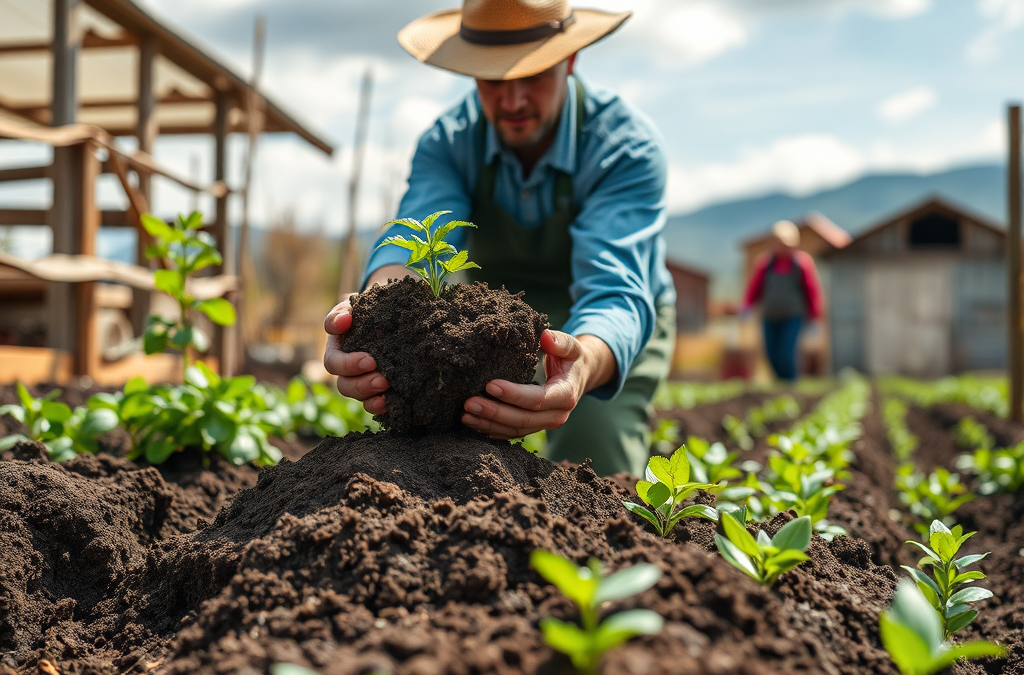
Effective soil management is essential for sustainable agriculture and can be achieved through various techniques. Implementing crop rotation can enhance soil fertility by preventing nutrient depletion and disrupting pest cycles, while cover cropping protects against erosion and improves soil structure. Additionally, minimizing tillage preserves soil integrity and promotes biodiversity. Regular soil testing is crucial for assessing nutrient levels and making informed amendments, ultimately leading to healthier soil and increased crop yields. By adopting these strategies, farmers can create a more resilient agricultural system that supports both productivity and environmental health.
Understanding Soil Composition and Health
Soil health is fundamental to sustainable agriculture and effective soil management begins with understanding its composition. Healthy soil comprises minerals, organic matter, water, and air, which together create a thriving ecosystem for plants and microorganisms. A well-balanced soil supports crop growth, retains moisture, and reduces the need for chemical fertilizers.
Key indicators of soil health include its structure, nutrient content, and biological activity. Soil structure refers to the arrangement of soil particles and how they bind together, affecting root penetration and water retention. Nutrients such as nitrogen, phosphorus, and potassium must be present in adequate amounts for optimal plant growth. Biological activity, including the presence of earthworms and beneficial microorganisms, indicates a vibrant soil ecosystem.
To assess soil health, regular soil testing is essential. This process measures pH levels, nutrient availability, and organic matter content, providing insight into necessary amendments. Farmers can then tailor their management practices to improve soil quality, ensuring a productive and sustainable agricultural system.
Techniques for Enhancing Soil Fertility
Enhancing soil fertility is crucial for maximizing crop yields and ensuring long-term productivity. Several techniques can be employed to achieve this goal:
- Crop Rotation: Alternating different crop families in the same field can prevent nutrient depletion and disrupt pest cycles. For example, planting legumes can fix nitrogen in the soil, benefiting subsequent crops.
- Cover Cropping: Planting cover crops during off-seasons protects the soil from erosion and adds organic matter when decomposed. Species like clover and rye are effective in improving soil structure and nutrient content.
- Organic Amendments: Adding compost, manure, or other organic materials enriches soil fertility and enhances microbial activity. This not only improves nutrient availability but also helps retain moisture.
While these techniques are effective, it’s essential to consider the local climate and soil type when implementing them. For instance, in arid regions, cover crops must be chosen carefully to ensure they do not compete for limited water resources.
Erosion Prevention Strategies
Erosion is a significant threat to soil health, leading to loss of topsoil and reduced agricultural productivity. Preventing erosion requires a combination of practices tailored to the landscape:
- Contour Farming: Planting along the contours of the land reduces water runoff and soil erosion. This technique is particularly effective on sloped terrains, allowing water to infiltrate rather than wash away topsoil.
- Terracing: Creating terraces on steep slopes can help slow down water flow and reduce erosion. This method involves constructing flat areas on a slope to manage water runoff effectively.
- Vegetative Buffers: Establishing grass or shrub buffers along waterways can trap sediment and reduce nutrient runoff. These buffers act as natural filters, improving water quality and protecting aquatic ecosystems.
Implementing these erosion prevention strategies not only protects soil but also enhances water conservation and overall farm sustainability.
The Role of Organic Matter in Soil Management
Organic matter plays a vital role in soil management by improving soil structure, water retention, and nutrient availability. It acts as a sponge, holding water and nutrients that plants need to thrive. Incorporating organic matter into the soil can be achieved through various methods:
- Composting: Composting kitchen scraps and yard waste creates a rich organic amendment that can be added to soil. This process not only recycles waste but also enhances soil fertility.
- Mulching: Applying organic mulch around plants helps retain moisture, suppress weeds, and gradually adds organic matter to the soil as it decomposes.
- Green Manures: Growing specific crops solely for incorporation into the soil as green manure can significantly boost organic matter levels. These crops improve soil fertility and structure.
Incorporating organic matter is a long-term strategy that builds soil health over time, leading to higher crop yields and resilience against environmental stressors.
Frequently Asked Questions
What are the key benefits of effective soil management?
Effective soil management improves soil health, enhances crop yields, and supports sustainable agricultural practices.
How often should I test my soil?
Soil should be tested every 2-3 years to monitor nutrient levels and pH, ensuring optimal growing conditions.
What is the best way to improve soil fertility?
Improving soil fertility can be achieved through crop rotation, adding organic matter, and using cover crops.
How can I prevent soil erosion on my farm?
To prevent soil erosion, consider practices like contour farming, terracing, and planting vegetative buffers along waterways.
What is the role of organic matter in soil management?
Organic matter improves soil structure, enhances water retention, and increases nutrient availability, contributing to overall soil health.
Conclusion
Effective soil management is essential for sustainable agriculture and requires a multifaceted approach. By understanding soil composition, implementing techniques to enhance fertility, and preventing erosion, farmers can create a robust agricultural system. Prioritizing organic matter incorporation further enriches soil health, leading to increased productivity and resilience. Regular soil testing and adapting practices based on local conditions will ensure long-term success in soil management.

Further Reading
Authoritative Sources
- USDA NIFA Sustainable Agriculture
nifa.usda.govFederal research and extension resources on sustainable agriculture, farms, and food systems.
- USDA NRCS Soil Resources
nrcs.usda.govOfficial soil health, conservation, water, and land-management guidance for agricultural operations.

