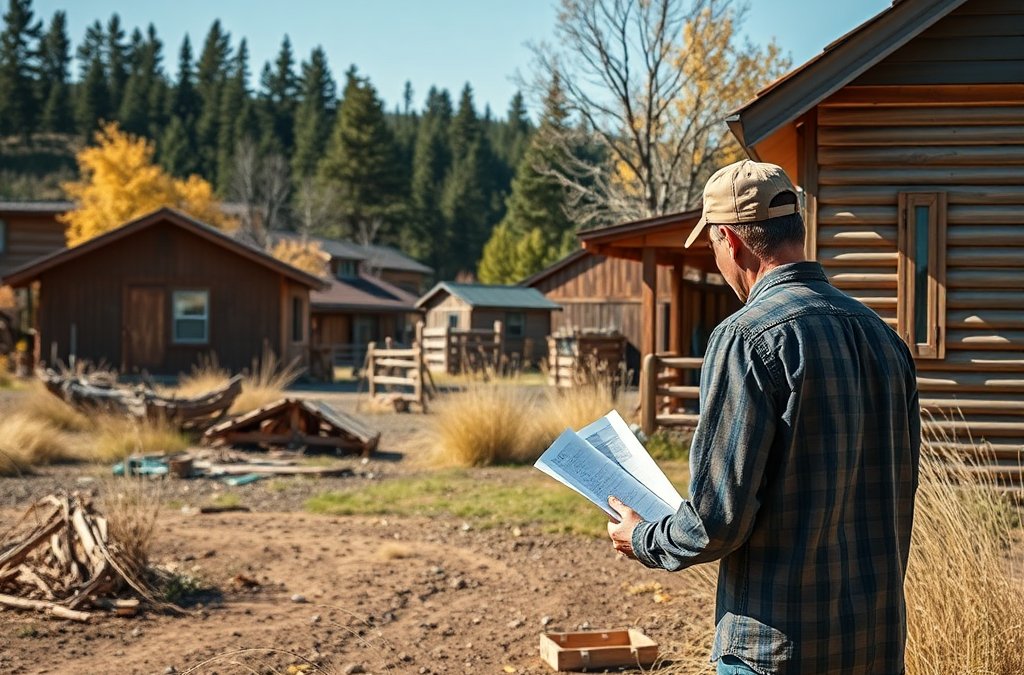
Understanding legal considerations for homesteading is vital for a successful venture. Homesteaders must obtain the appropriate permits for building and livestock, as local regulations vary widely. Zoning laws can restrict activities, such as farming or livestock raising, depending on the classification of your property. To avoid costly fines or legal issues, it’s essential to research local laws and secure necessary permits before starting any projects. Engaging with local planning departments can provide clarity on what is required for your specific homesteading plans.
Understanding Permits Required for Homesteading
Obtaining the right permits is a crucial step in navigating legal considerations for homesteading. Local governments often require specific permits for various activities, including building structures, installing septic systems, or raising livestock. These permits ensure that your homestead complies with safety and environmental regulations.
For example, if you plan to construct a barn, you may need a building permit that outlines safety codes, zoning requirements, and inspections. Failing to secure the necessary permits can lead to fines and the potential removal of structures deemed illegal. It is essential to research local regulations and apply for permits before starting any construction or major modifications.
Additionally, not all homesteading activities require permits, but it varies by location. For instance, some areas may not require permits for small garden structures or compost bins. Always check with your local planning department to understand what is necessary for your specific homesteading activities.
Zoning Laws and Their Impact on Homesteading
Zoning laws significantly influence how you can use your land, directly affecting your homesteading plans. These laws dictate what activities are permissible in specific areas, including agricultural practices, residential requirements, and commercial activities. Understanding your zoning classification is critical to ensure compliance.
For instance, if your property is zoned for residential use only, you may face restrictions on raising livestock or operating a farm stand. Some jurisdictions have agricultural zoning that allows for a broader range of farming activities. Always verify your zoning designation and consider applying for a variance if you wish to engage in activities not typically allowed under your current zoning.
In some cases, zoning laws can change, impacting existing homesteaders. Keeping abreast of local government discussions and proposed changes can help you anticipate and adapt to new regulations. Engaging with local agricultural or homesteading groups can also provide support and updates on zoning matters.
Property Rights and Responsibilities
Understanding property rights is a foundational aspect of navigating legal considerations for homesteading. Property rights dictate what you can and cannot do with your land, including land use, rights of access, and responsibilities to neighbors. These rights can vary significantly based on local, state, and federal laws.
For example, water rights can be complex, especially in areas where water access is limited. Knowing whether you have rights to divert water for irrigation or if you need permits to use groundwater is crucial. Similarly, if your property borders a waterway, you may be subject to additional regulations regarding land use and conservation practices.
Common disputes arise over property boundaries, easements, and access rights. To prevent conflicts, it’s wise to have clear property lines established and documented. Engaging a surveyor can help clarify boundaries and ensure you are not infringing on your neighbor’s property. Additionally, understanding your responsibilities regarding environmental stewardship can help maintain good relations with the community and avoid legal issues.
Common Legal Mistakes to Avoid
Many new homesteaders make legal mistakes that can have serious repercussions. One common error is underestimating the importance of local laws. Many assume that if they own the land, they can do as they please. However, local regulations can impose significant restrictions that could lead to fines or legal action.
Another mistake is failing to document agreements with neighbors, especially regarding shared resources like water or access roads. Clear written agreements can prevent misunderstandings and provide legal standing if disputes arise later.

Additionally, some homesteaders may neglect to keep accurate records of their permits and applications. Having a well-organized documentation system can help resolve disputes and provide proof of compliance during inspections.
Lastly, assuming that all homesteading activities are exempt from taxes can lead to unexpected liabilities. Understanding local tax obligations for agricultural activities, property taxes, and potential sales tax on products sold is essential for financial planning.
Frequently Asked Questions
What permits are typically required for homesteading?
Common permits include building permits for structures, septic system permits, and livestock permits, which vary by location.
How can zoning laws affect my homesteading plans?
Zoning laws dictate permissible activities on your property, such as whether you can raise livestock or grow certain crops.
What are property rights in a homesteading context?
Property rights encompass what you can do with your land, including land use, access rights, and responsibilities toward neighbors.
What are some common legal mistakes homesteaders make?
Common mistakes include neglecting local laws, failing to document agreements with neighbors, and underestimating tax obligations.
How can I stay informed about local regulations?
Engaging with local agricultural groups, attending community meetings, and checking government websites are effective ways to stay informed.
Conclusion
Navigating legal considerations for homesteading is essential for avoiding costly mistakes and ensuring a successful venture. By understanding the necessary permits, zoning laws, and property rights, you can make informed decisions that align with local regulations. Prioritizing legal compliance will help you focus on cultivating your homestead while minimizing risks. Stay proactive by continually educating yourself about changes in local laws and engaging with your community to foster a supportive homesteading environment.