
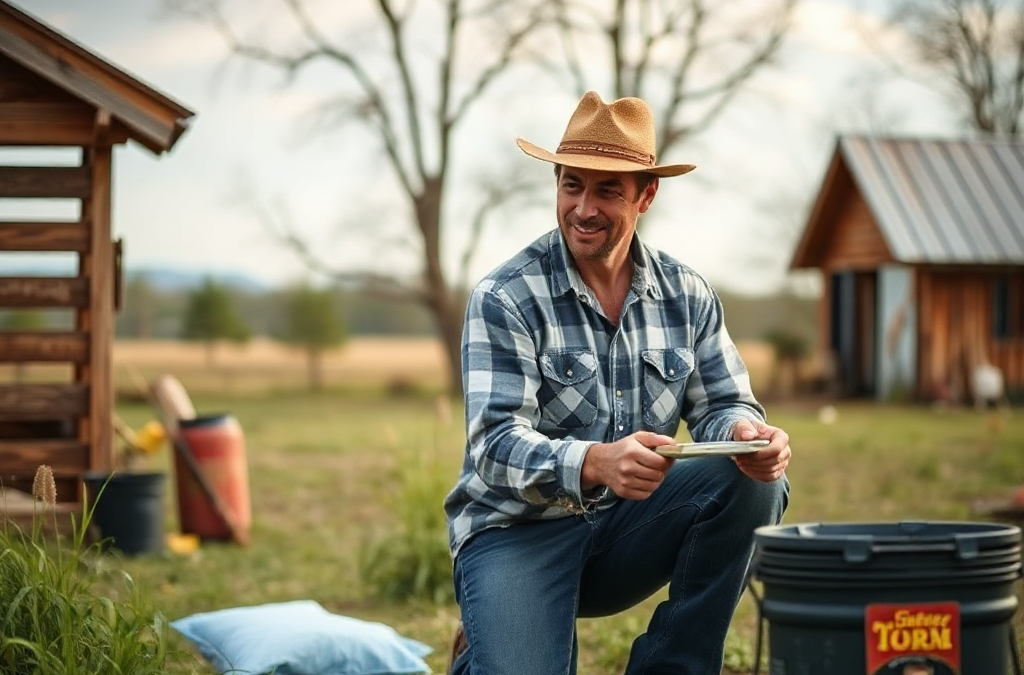
New homesteaders often make critical mistakes that can hinder their success, such as underestimating the resources required, failing to research local regulations, and neglecting proper planning. It’s essential to approach homesteading with a realistic understanding of time, effort, and legal requirements. Many newcomers also overlook the importance of building a supportive community and acquiring essential skills before diving in. By addressing these common pitfalls, new homesteaders can set themselves up for a more successful and sustainable journey.
Underestimating Time and Resources
One of the most significant mistakes new homesteaders make is underestimating the time and resources required to maintain their homestead. Many newcomers envision a romanticized version of homesteading, filled with idyllic scenes of self-sufficiency and tranquility. However, the reality often involves hard labor, long hours, and a steep learning curve. It’s crucial to assess the amount of time you can realistically dedicate to your homestead each week, as well as the physical and financial resources you have at your disposal.
New homesteaders should create a detailed plan that outlines their goals, the tasks needed to achieve them, and the resources required for each task. This may include everything from planting and harvesting crops to maintaining livestock and managing land. Many beginners fail to account for unexpected expenses, such as equipment repairs or veterinary bills for animals. By preparing for these potential costs, homesteaders can mitigate the risk of financial strain.
Moreover, new homesteaders often overlook the importance of seasonal changes and how they can affect their plans. For instance, certain crops may take longer to mature than expected, or adverse weather conditions can delay planting. By understanding the natural cycles of their region, homesteaders can better manage their expectations and avoid frustration.
Ignoring Local Regulations and Zoning Laws
Another common mistake is neglecting to research local regulations and zoning laws. Each area has different rules regarding land use, livestock ownership, and agricultural practices. Failing to comply with these regulations can result in fines or even the loss of your homestead.
New homesteaders should start by checking with their local government or agricultural extension office to understand the specific laws that apply to their property. This includes zoning restrictions related to building structures, raising animals, and gardening. Many areas have specific requirements for permits, especially if you plan to sell any products from your homestead.
Additionally, understanding local resources and programs can be beneficial. Many communities offer support for new farmers and homesteaders, including grants, workshops, and networking opportunities. By tapping into these resources, newcomers can gain valuable knowledge and connections that will help them navigate the bureaucratic landscape effectively.
Neglecting Community and Networking
Homesteading can often feel isolating, especially for those who are new to the lifestyle. However, neglecting to build a community can be a significant mistake. Establishing connections with other homesteaders and local farmers can provide invaluable support, advice, and friendship.
New homesteaders should actively seek out local groups, clubs, or online communities focused on homesteading and sustainable agriculture. These networks can offer a wealth of shared knowledge and experiences. For example, joining a local gardening club can introduce newcomers to experienced gardeners who can provide tips and tricks for successful planting.
Participating in community events, such as farmers’ markets or workshops, can also help new homesteaders meet like-minded individuals and learn from their experiences. Building relationships within the community can lead to opportunities for collaboration, resource sharing, and even friendship, making the homesteading journey more enjoyable and fulfilling.
Overlooking Essential Skills and Knowledge
New homesteaders often dive in without acquiring the necessary skills and knowledge needed for success. Skills such as gardening, animal husbandry, and basic carpentry are essential for running a homestead effectively. However, many newcomers underestimate the importance of these skills, thinking they can learn as they go.
It’s crucial for new homesteaders to invest time in education before starting their homesteading journey. This can include taking classes, reading books, watching instructional videos, or even volunteering on local farms. Understanding the fundamentals of soil health, crop rotation, and animal care can prevent costly mistakes and ensure a productive homestead.

Additionally, practical experience is invaluable. New homesteaders should consider starting small, perhaps with a few raised beds or a couple of chickens, to gain hands-on experience before expanding their operations. This gradual approach allows for learning through trial and error while minimizing potential losses.
Frequently Asked Questions
What are the most common mistakes new homesteaders make?
Common mistakes include underestimating time and resources, ignoring local regulations, neglecting community support, and lacking essential skills.
How can I better prepare for homesteading?
Start by researching local laws, creating a detailed plan, and acquiring necessary skills through classes or volunteer work.
Why is community important in homesteading?
A strong community provides support, shared knowledge, and networking opportunities that can enhance your homesteading experience.
What skills should I focus on as a new homesteader?
Essential skills include gardening, animal husbandry, basic carpentry, and understanding soil health to ensure a successful homestead.
Conclusion
New homesteaders can significantly improve their chances of success by recognizing and addressing common mistakes. Prioritizing time management, understanding local regulations, building a supportive community, and acquiring essential skills are key steps in creating a thriving homestead. Take the time to plan thoroughly and seek out resources that will help you navigate the challenges of homesteading. By doing so, you can embark on a fulfilling journey towards sustainable living and self-sufficiency.


