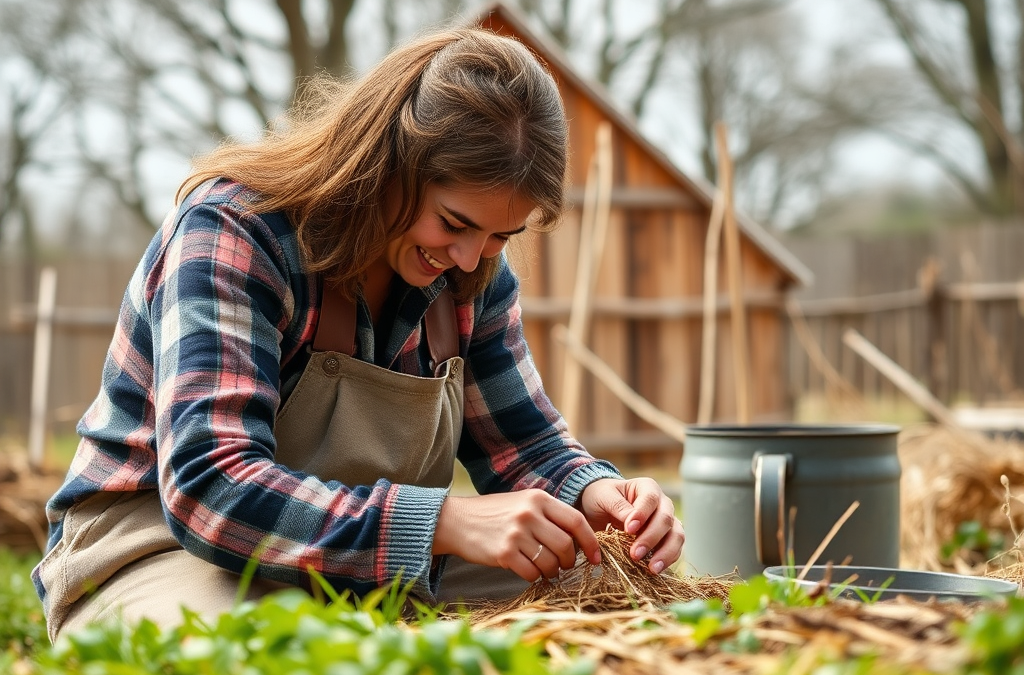
Implementing eco-friendly practices in homesteading can significantly enhance sustainability and reduce environmental impact. To start, consider integrating rainwater harvesting systems to efficiently collect and utilize rainwater for irrigation, which conserves groundwater. Composting kitchen scraps not only reduces waste but also enriches the soil, promoting healthier plant growth. Additionally, selecting native plants supports local biodiversity and requires less water, making your homestead more resilient. Each of these strategies contributes to a holistic approach to sustainable living, ensuring that your homestead thrives while protecting the environment.
Understanding Eco-Friendly Practices
Eco-friendly practices in homesteading are crucial for promoting sustainability and reducing environmental impact. These practices focus on utilizing resources that minimize harm to the environment while enhancing the productivity and resilience of the homestead. Implementing such practices requires an understanding of local ecosystems, resource management, and the principles of sustainability.
For instance, using organic methods for pest control instead of chemical pesticides not only protects beneficial insects but also ensures healthier crops. Moreover, choosing energy-efficient appliances can significantly lower energy consumption, contributing to a reduced carbon footprint. It’s essential to recognize that every small change can lead to substantial improvements over time.
Water Management Techniques
Effective water management is a cornerstone of eco-friendly homesteading. Rainwater harvesting systems capture and store rainwater for irrigation, reducing reliance on municipal water supplies and conserving groundwater. This technique is particularly beneficial in areas prone to drought.
Additionally, implementing drip irrigation systems can optimize water use, delivering moisture directly to plant roots and minimizing evaporation. Mulching around plants also conserves moisture, suppresses weeds, and improves soil health. Homesteaders should regularly check for leaks in their irrigation systems to ensure efficient water use and prevent waste.
Soil Health and Waste Reduction
Maintaining soil health is vital for sustainable gardening and farming practices. Composting is an excellent way to recycle kitchen scraps and yard waste, creating nutrient-rich soil amendments that enhance soil structure and fertility. Incorporating cover crops during the off-season can prevent soil erosion and improve nutrient cycling.
Another approach is to practice crop rotation, which helps prevent soil depletion and reduces pest and disease cycles. By diversifying crops, homesteaders can create a more resilient ecosystem. It’s important to avoid synthetic fertilizers, as they can degrade soil health over time and lead to runoff issues.
Biodiversity and Plant Selection
Promoting biodiversity is essential for a healthy ecosystem. Planting a variety of species can attract beneficial insects and pollinators, which are crucial for crop production. Native plants are particularly effective as they are adapted to local conditions and require less maintenance.
Integrating permaculture principles can further enhance biodiversity by designing landscapes that mimic natural ecosystems. This includes creating habitats for wildlife and using companion planting strategies to improve plant health and yield. Homesteaders should be mindful of invasive species that can disrupt local ecosystems and focus on selecting plants that contribute positively to their environment.
Frequently Asked Questions
What are some simple eco-friendly practices for beginners?
Start by composting kitchen scraps, using rain barrels for watering, and planting native species that require less maintenance.
How can I improve my soil health naturally?
Incorporate compost, practice crop rotation, and plant cover crops to enhance soil fertility and structure.
What is the importance of biodiversity in homesteading?
Biodiversity supports ecosystem stability, attracts beneficial insects, and reduces pest outbreaks, leading to healthier crops.
How can I conserve water on my homestead?
Implement rainwater harvesting, use drip irrigation systems, and apply mulch to retain soil moisture.
What are the benefits of using native plants?
Native plants are adapted to local conditions, require less water and maintenance, and provide habitat for local wildlife.
Conclusion
Implementing eco-friendly practices in homesteading is not only beneficial for the environment but also enhances the sustainability and productivity of your homestead. By focusing on water management, soil health, and biodiversity, you can create a thriving ecosystem that supports both your needs and those of the surrounding environment. Start with small, manageable changes and gradually incorporate more sustainable practices as you become comfortable. Prioritizing these eco-friendly methods will lead to a more resilient and fulfilling homesteading experience.