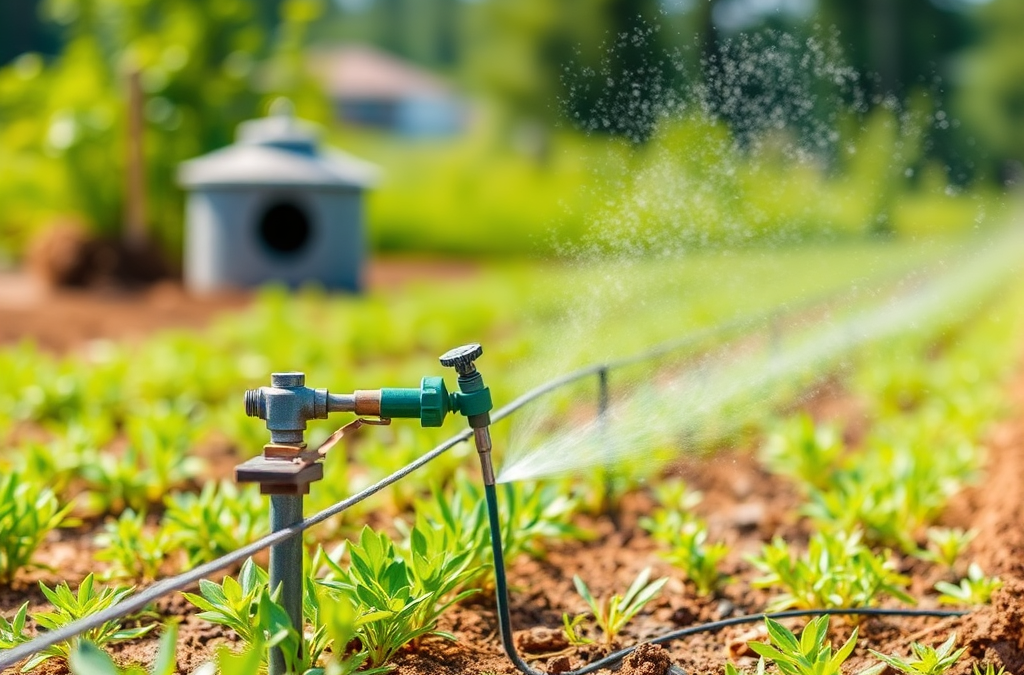
To set up an effective irrigation system, start by assessing your landscape’s water needs, selecting the right type of irrigation (drip, sprinkler, or soaker), and designing a layout that maximizes coverage while minimizing waste. Consider factors like soil type, plant requirements, and local climate to ensure efficient water distribution. Regular maintenance and adjustments will help maintain system efficiency and prevent overwatering or underwatering your plants.
Understanding Irrigation Types
Choosing the right irrigation type is crucial for effective water management. The three main types are drip irrigation, sprinkler systems, and soaker hoses. Drip irrigation delivers water directly to the plant roots through a network of tubing and emitters, making it highly efficient and reducing evaporation and runoff. Sprinkler systems, which can be stationary or rotating, cover a larger area and are suitable for lawns and flower beds. Soaker hoses are porous hoses that allow water to seep out slowly along their length, ideal for garden rows.
Understanding the pros and cons of each system is vital:
- Drip Irrigation: Best for vegetable gardens and flower beds, minimizes water loss, but can be more expensive to install.
- Sprinkler Systems: Versatile and easier to set up, but can lead to water wastage if not properly managed.
- Soaker Hoses: Cost-effective and easy to use, but less efficient in larger areas.
Consider your specific needs based on the types of plants you are growing and the layout of your garden.
Planning Your Irrigation Layout
After selecting an irrigation type, planning your layout is essential for optimizing water distribution. Start by mapping out your garden and identifying areas that require more or less water. Group plants with similar water needs together to ensure efficient irrigation.
When designing your layout, consider:
- Water Pressure: Ensure your system is compatible with your water pressure to avoid damage and inefficiency.
- Plant Spacing: Allow adequate spacing between plants to enable proper water penetration and avoid competition for moisture.
- Slopes and Drainage: On sloped areas, consider using terracing or drip irrigation to prevent runoff and soil erosion.
Utilizing a grid or zone layout can help maximize coverage and efficiency while minimizing water waste.
Installation Steps for Your System
Installing your irrigation system requires careful attention to detail to ensure effectiveness. Follow these steps for a successful installation:
- Gather Materials: Based on your chosen irrigation type, gather all necessary materials, including pipes, connectors, emitters, and timers.
- Prepare the Area: Clear the installation area of debris, rocks, and weeds to create a smooth working environment.
- Lay Out Pipes: Position your main lines and secondary lines according to your planned layout. Use stakes or flags to mark their locations.
- Connect Components: Assemble your system by connecting pipes, emitters, and hoses as per the manufacturer’s instructions.
- Test the System: Once installed, run the system to check for leaks and ensure even water distribution. Adjust as necessary for optimal performance.
Maintenance Tips for Longevity
Regular maintenance is essential for keeping your irrigation system functioning effectively. Here are key maintenance practices:
- Check for Leaks: Periodically inspect hoses and connections for leaks or damage that could waste water.
- Clean Filters and Emitters: Regularly clean or replace filters and emitters to prevent blockages and ensure proper water flow.
- Adjust Timers: Modify your watering schedule based on seasonal changes and plant growth stages to avoid overwatering.
- Winterization: In colder climates, winterize your system by draining hoses and pipes to prevent freezing and cracking.
By incorporating these maintenance tips, you can extend the lifespan of your irrigation system and maintain optimal performance.
For those looking to deepen their understanding of irrigation systems, consider exploring resources from agricultural extensions or reputable gardening websites. These sources often provide valuable insights and updated practices that can enhance your irrigation setup.

Frequently Asked Questions
What is the most efficient irrigation method?
Drip irrigation is often considered the most efficient method as it delivers water directly to the roots, minimizing evaporation and runoff.
How often should I water my plants?
Watering frequency depends on the type of plants, soil conditions, and climate. Generally, it’s best to water deeply and less frequently.
Can I automate my irrigation system?
Yes, most irrigation systems can be automated with timers and smart controllers that adjust watering schedules based on weather conditions.
What common mistakes should I avoid?
Avoid overwatering by regularly checking soil moisture levels and adjusting your irrigation schedule accordingly.
How do I winterize my irrigation system?
To winterize, drain all water from the system, disconnect hoses, and store them in a dry place to prevent damage from freezing temperatures.
Conclusion
Setting up an effective irrigation system is a critical investment for any garden or landscape. By understanding various irrigation types, planning your layout carefully, following proper installation steps, and committing to routine maintenance, you can ensure your plants receive the optimal water they need to thrive. Take the time to assess your unique gardening situation and make adjustments as necessary to maximize your irrigation system’s efficiency.