
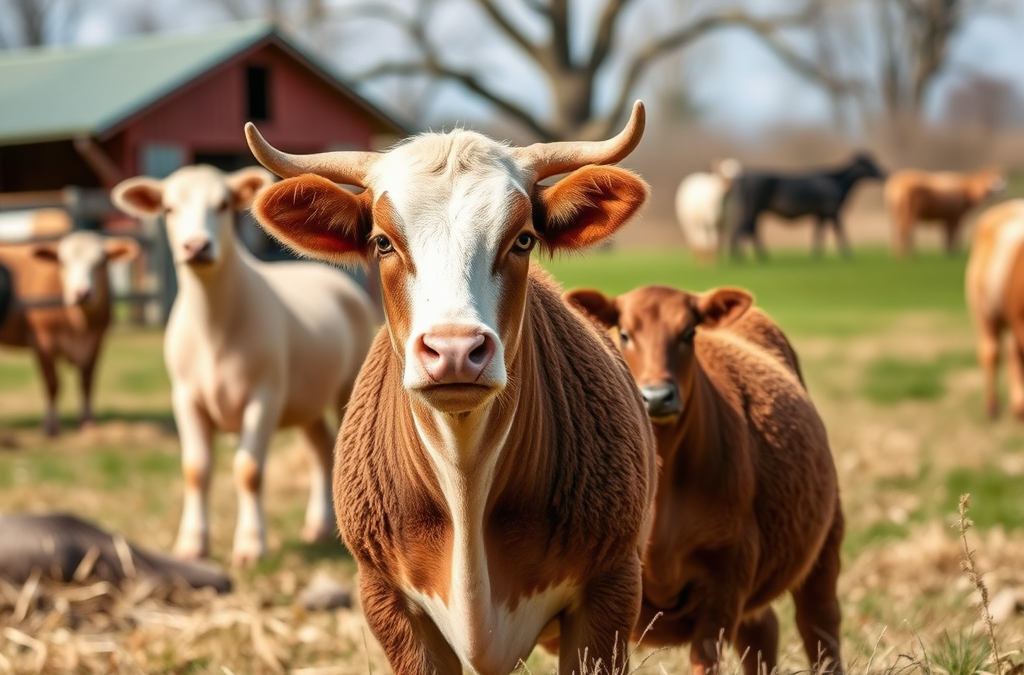
Selecting the right livestock for your homestead involves assessing your land, climate, and goals while considering breeds that suit your needs. Factors such as space, feed availability, and your experience level are crucial in making this decision. Popular livestock choices include chickens for eggs, goats for milk, and pigs for meat, each offering unique benefits and challenges. Understanding these aspects will help you build a sustainable and productive homestead.
Assessing Your Homestead Needs
Before selecting livestock, it’s essential to assess your homestead needs thoroughly. Consider what you want to achieve with your livestock—whether it’s for meat, milk, eggs, or fiber. This will guide your choices significantly. For instance, if your primary goal is to produce eggs, chickens are an excellent choice due to their relatively low maintenance and high productivity.
Additionally, think about the size of your homestead. Larger properties may allow for a diverse range of animals, while smaller plots may limit you to a few chickens or rabbits. Furthermore, consider your local climate. Some breeds thrive in colder temperatures, while others are better suited for warmer climates. Understanding your local environment will help you choose breeds that will flourish.
Understanding Livestock Breeds
Each type of livestock comes with its breed, each with unique characteristics, advantages, and disadvantages. For example, dairy goats such as Saanen and Nubian are known for their milk production, while meat goats like Boer are bred for their meat quality. Knowing the specific traits of different breeds can help you make an informed decision based on your homestead goals.
Chickens are another critical consideration. Breeds like Rhode Island Reds are prolific egg layers and hardy in various climates, while others like Cornish Cross are specifically bred for meat production. Understanding the nuances of each breed, including their care requirements and production levels, will help you align your choices with your needs.
Evaluating Resources and Constraints
When selecting livestock, evaluate the resources at your disposal, including feed, water supply, and shelter. Livestock require adequate nutrition, which can differ significantly from one animal to another. For instance, goats require a different nutritional balance compared to chickens.
Space is another critical resource. Each animal has specific space requirements that must be met to ensure their health and well-being. For example, pigs need more space to roam and root than chickens. Furthermore, consider your time and experience level; some animals require more hands-on management than others. For example, cows may require more daily care than chickens.
Making the Decision
After assessing your needs, understanding the breeds, and evaluating your resources, it’s time to make your decision. Prioritize the animals that align best with your goals and available resources. For example, if you have limited space and are looking for low-maintenance options, chickens or rabbits may be ideal.
Moreover, consider starting small. It’s often wise to begin with one or two types of livestock and expand as you gain experience. This approach allows you to learn the intricacies of animal husbandry without becoming overwhelmed. In closing, remember to research local regulations regarding livestock ownership, as these can impact your choices.

Frequently Asked Questions
What are the best livestock options for small homesteads?
Chickens, rabbits, and goats are excellent choices for small homesteads due to their manageable space needs and ability to provide food products.
How much space do I need for livestock?
Space requirements vary by species; for instance, chickens need about 4 square feet per bird in a coop, while goats require 200 square feet per animal for adequate roaming.
What should I consider when choosing livestock breeds?
Consider factors like purpose (meat, milk, eggs), climate adaptability, space requirements, and your experience level with animal care.
Are there any regulations for keeping livestock?
Yes, local regulations may dictate what types of livestock you can keep and how many, so it’s essential to check with your local authorities before getting started.
How can I ensure the health of my livestock?
Regular veterinary care, proper nutrition, clean living conditions, and adequate space are crucial to maintaining healthy livestock.
Further Reading
Authoritative Sources
- Homestead Animals and Choosing The Best Animal Breeds
mollygreen.comBefore you decide which kind homestead animals you will get, you have to consider your family needs, what kind of livestock your land can support, and if you ...
- How to Pick the Best Livestock for Your Homestead
theprairiehomestead.com(1) Know What Breed is Best For Your Homestead · (2) Find an Experienced Buyer or Friend to Help · (3) Check if the Animal is from a Clean Herd · ( ...

