
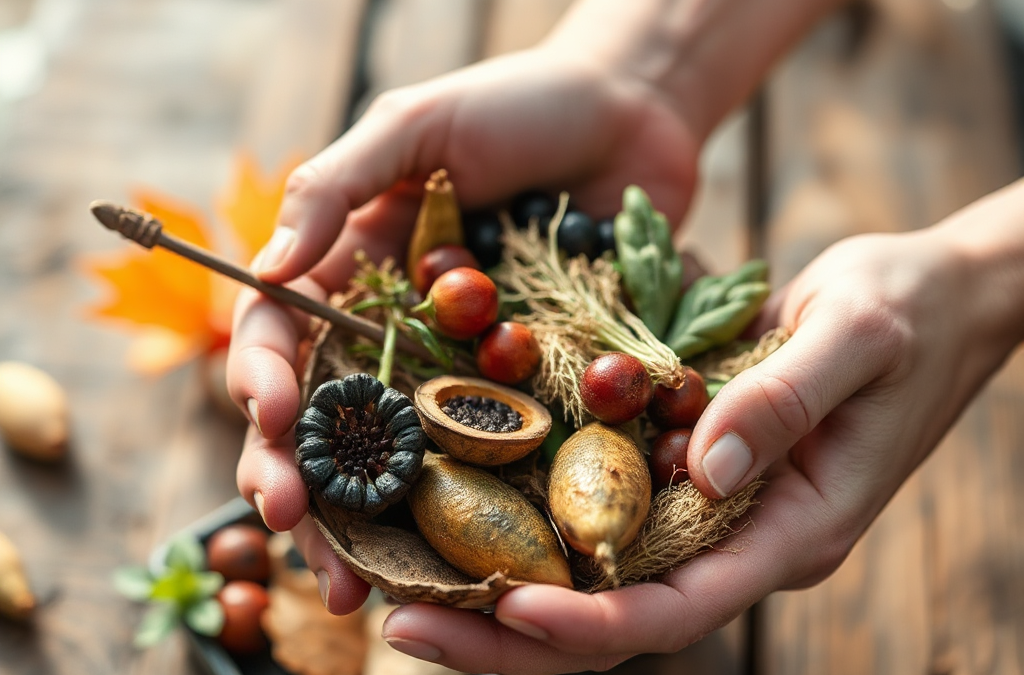
Integrating foraging into your diet involves actively seeking out edible wild plants and fungi, enhancing your meals with fresh, nutrient-dense ingredients while connecting with nature. Start by researching local edible species, ensuring they are safe to consume, and learn foraging techniques. Common plants like dandelions and wild garlic can be easily incorporated into salads and dishes, boosting flavor and nutritional value. Remember to forage sustainably and ethically to preserve local ecosystems.
Understanding Foraging and Its Benefits
Foraging, the practice of searching for and gathering wild food resources, offers numerous benefits that go beyond simply adding variety to your diet. Incorporating foraged foods into your meals can enhance nutritional value, provide unique flavors, and foster a deeper connection with the natural environment. This ancient practice has seen a resurgence as people seek sustainable food sources and a more hands-on approach to their diets. By understanding the principles of foraging, you can confidently explore the wild spaces around you and discover a wealth of edible plants, fungi, and berries.
Foraging not only allows you to access fresh and often organic ingredients, but it also encourages a mindful approach to eating. When you forage, you become more aware of seasonal cycles, local ecosystems, and the importance of biodiversity. This awareness can lead to more informed food choices and a greater appreciation for the interconnectedness of nature. Additionally, foraging can be a fun and rewarding activity, whether done alone or with family and friends.
Identifying Edible Wild Foods
To successfully integrate foraging into your diet, it’s crucial to learn how to identify edible wild foods accurately. Many plants and fungi have toxic look-alikes, so thorough research and education are essential. Start by familiarizing yourself with common edible species in your region. Resources like field guides, foraging classes, and local foraging groups can provide valuable information.
Some popular edible plants include:
- Dandelion: Almost every part of the dandelion is edible, from the leaves to the flowers and roots. The leaves can be used in salads or cooked, while the flowers can be made into wine or fritters.
- Wild Garlic: Known for its distinct smell, wild garlic can be found in woodlands and is a delicious addition to salads, pesto, or as a seasoning for various dishes.
- Chickweed: This common garden weed is packed with nutrients and can be eaten raw in salads or cooked like spinach.
As you begin foraging, keep a journal to document your findings, including where you found each plant and any recipes you tried. This practice will help reinforce your knowledge and make future foraging trips more successful.
Techniques for Sustainable Foraging
Sustainable foraging is about gathering wild foods without harming local ecosystems. It’s essential to follow ethical foraging practices to ensure that plant populations remain healthy and that wildlife habitats are preserved. Here are some key principles to consider:
- Leave No Trace: Always clean up after yourself and avoid disturbing the environment. Stick to established trails when possible and avoid trampling on fragile plant life.
- Harvest Responsibly: Only take what you need and leave enough behind for wildlife and the plant to recover. A good rule of thumb is to harvest no more than 10% of a plant population.
- Know the Laws: Be aware of local regulations regarding foraging in public spaces. Some areas may have restrictions on harvesting certain plants or fungi.
By practicing sustainable foraging, you contribute to the health of local ecosystems while enjoying the benefits of fresh, wild foods.
Incorporating Foraged Foods into Your Meals
Once you have gathered your foraged ingredients, the next step is to incorporate them into your meals. Foraged foods can enhance your culinary repertoire and provide unique flavors and textures. Here are some practical ways to use them:
- Salads: Add foraged greens like dandelion leaves or chickweed to your salads for a fresh and nutritious boost. Experiment with different combinations to find your favorite flavors.
- Soups and Stews: Many wild plants, such as nettles and wild garlic, can be used to add depth and flavor to soups and stews. Simply sauté them with onions and garlic before adding broth and other ingredients.
- Pesto and Sauces: Create unique pestos using wild herbs like garlic mustard or wild leeks for a fresh twist on traditional recipes.
As you experiment with foraged foods, remember to keep notes on what works well and what you enjoy most. This will help you refine your foraging and cooking skills over time.

Frequently Asked Questions
What should I know before starting to forage?
Before starting to forage, educate yourself on local edible plants, their habitats, and potential toxic look-alikes. Always carry a field guide and forage with someone experienced if possible.
Are there risks involved in foraging?
Yes, foraging can involve risks, such as consuming toxic plants or fungi. Ensure you can positively identify any wild food before consuming it, and avoid foraging in polluted areas.
How can I ensure sustainable foraging?
Sustainable foraging involves harvesting responsibly, leaving enough of a plant population behind, and following local regulations to minimize your impact on ecosystems.
Can foraged foods be preserved?
Yes, many foraged foods can be preserved through methods such as drying, pickling, or freezing, allowing you to enjoy them year-round.
What are some common mistakes to avoid when foraging?
Common mistakes include misidentifying plants, harvesting in polluted areas, and overharvesting. Always double-check your identifications and forage sustainably.
Conclusion
Integrating foraging into your diet can transform your culinary experience while promoting sustainability and a deeper connection with nature. By understanding the benefits of foraging, learning to identify edible plants, and practicing sustainable harvesting techniques, you can enjoy a wide variety of fresh, wild foods. As you experiment with incorporating these unique ingredients into your meals, keep an open mind and be willing to learn from your experiences. Embrace the adventure of foraging, and let it enrich your diet and your relationship with the environment.


