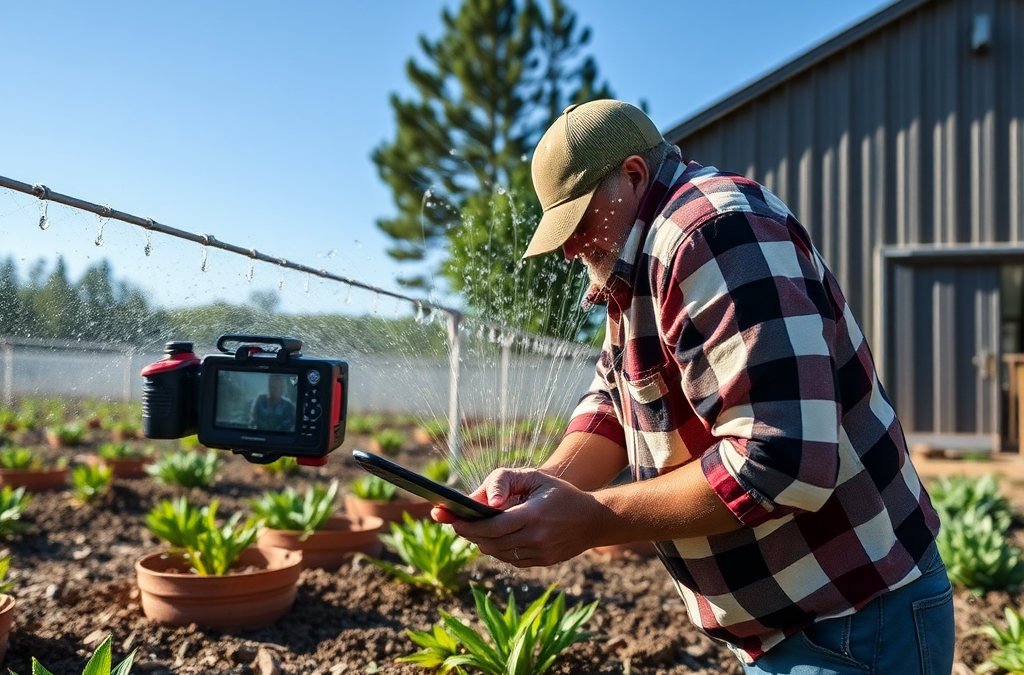
Incorporating technology into homesteading involves using innovative tools and systems to enhance efficiency, productivity, and sustainability. Smart irrigation systems can automate watering schedules based on real-time weather data, while solar energy solutions reduce reliance on traditional power sources. Additionally, using apps for crop management helps track growth and optimize planting strategies. These technologies not only save time but also contribute to a more sustainable homestead.
Smart Irrigation Systems
Smart irrigation systems are essential for optimizing water usage in homesteading. These systems utilize sensors and weather data to adjust watering schedules automatically, ensuring that crops receive the right amount of water without waste. For instance, a soil moisture sensor can detect when the soil is dry and trigger the irrigation system to activate, conserving water and promoting healthier plants.
The benefits of smart irrigation extend beyond water conservation. By reducing overwatering, these systems can prevent root rot and other soil-related issues, leading to healthier crops. Additionally, they save time for homesteaders, who can focus on other essential tasks rather than manually monitoring irrigation needs.
When implementing a smart irrigation system, consider factors such as the size of your homestead, the types of crops you grow, and local climate conditions. Investing in a quality system tailored to your specific needs can yield long-term benefits.
Solar Energy Solutions
Adopting solar energy solutions can significantly enhance the sustainability of your homestead. Solar panels can power everything from small tools to entire homes, reducing dependence on fossil fuels and lowering energy costs. By harnessing the sun’s energy, homesteaders can create a more self-sufficient lifestyle.
In addition to powering appliances, solar energy can be used for heating water, running greenhouses, and even charging electric vehicles. For example, solar water heaters can provide hot water for household use or for heating greenhouses, extending the growing season.
When considering solar energy, evaluate your energy needs and budget. A professional consultation can help determine the appropriate size and type of solar system for your homestead, ensuring optimal performance and efficiency.
Crop Management Apps
Crop management apps are invaluable tools for modern homesteaders looking to optimize their agricultural practices. These applications allow users to track planting schedules, monitor crop health, and analyze yield data. With features such as pest identification and disease tracking, these apps help homesteaders make informed decisions about their crops.
For instance, a popular crop management app might include a calendar feature that reminds users when to plant and harvest specific crops based on local climate conditions. Additionally, these apps can provide insights into soil health, helping to identify nutrient deficiencies and suggesting appropriate amendments.
Using crop management apps not only streamlines farming operations but also enhances productivity. By leveraging technology, homesteaders can minimize errors, adapt quickly to changing conditions, and ultimately improve their yields.
Automated Livestock Monitoring
Automated livestock monitoring systems provide homesteaders with real-time data on the health and wellbeing of their animals. These systems can track feeding patterns, monitor health metrics, and even alert farmers to potential issues before they escalate. For example, RFID tags can be used to track livestock movements and health information, providing valuable insights for management.
Such technology not only improves animal welfare but also enhances operational efficiency. By using automated systems, homesteaders can reduce labor costs and ensure that livestock are receiving optimal care. Additionally, these systems can help prevent losses due to health issues or neglect.
When choosing a livestock monitoring system, consider the scale of your operation and the specific needs of your animals. Investing in the right technology can lead to better management and healthier livestock.

Data-Driven Decision Making
Data-driven decision making is a critical component of successful homesteading. By collecting and analyzing data related to crop yields, weather patterns, and resource usage, homesteaders can make informed choices that enhance productivity and sustainability. For instance, by examining historical weather data, a homesteader can determine the best planting times and crop varieties for their specific region.
Utilizing data analytics tools can also assist in resource management. By tracking water usage and energy consumption, homesteaders can identify areas for improvement and implement more efficient practices. This proactive approach not only conserves resources but also contributes to a more sustainable homesteading operation.
As technology continues to evolve, integrating data analytics into homesteading practices will become increasingly important. Embracing these tools can lead to improved outcomes and a more resilient homestead.
Frequently Asked Questions
What is the role of technology in modern homesteading?
Technology enhances efficiency, sustainability, and productivity in homesteading through tools like smart irrigation, solar energy, and crop management apps.
How can smart irrigation systems benefit my homestead?
Smart irrigation systems optimize water usage, reduce waste, and promote healthier crops by automatically adjusting watering schedules based on real-time data.
What are the advantages of using solar energy on a homestead?
Solar energy reduces reliance on fossil fuels, lowers energy costs, and can power various homesteading activities, from heating water to running appliances.
How do crop management apps improve farming practices?
Crop management apps help track planting schedules, monitor crop health, and analyze yield data, leading to informed decisions and improved productivity.
What is automated livestock monitoring?
Automated livestock monitoring systems provide real-time data on animal health and wellbeing, improving care and operational efficiency for homesteaders.
Conclusion
Incorporating technology into homesteading is not just a trend; it is a necessary evolution for those looking to enhance sustainability and productivity. By utilizing smart irrigation, solar energy, crop management apps, and automated livestock monitoring, homesteaders can streamline operations and make more informed decisions. Embracing these technologies can lead to a more efficient, resilient, and sustainable homestead. As technology continues to advance, staying informed and adapting to new tools will be key to successful homesteading.