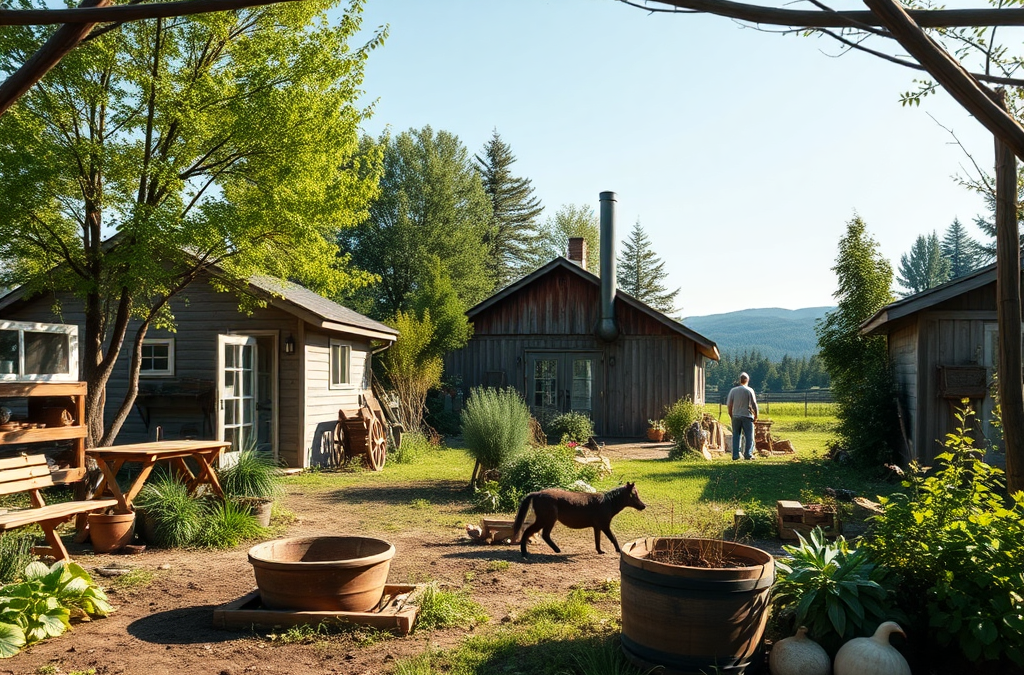
To create a homestead that supports well-being, focus on integrating sustainable practices, fostering community connections, and enhancing mental health through nature. Start by designing a layout that includes gardens, livestock, and relaxation areas that promote physical activity and mindfulness. Incorporate permaculture principles to ensure biodiversity and resilience, and engage with local resources and networks to build a supportive community. Prioritize self-care and restorative practices to fully benefit from the homesteading lifestyle.
Designing a Sustainable Layout
The layout of your homestead plays a critical role in supporting well-being. A well-planned homestead integrates various elements such as gardens, animal pastures, and living spaces in a way that promotes efficiency and harmony with nature. Start by assessing the land’s natural features—sunlight, wind patterns, and water sources—to position your gardens and structures optimally.
Incorporating permaculture principles is essential for creating a sustainable ecosystem. Design your garden beds to maximize space and productivity while ensuring biodiversity. Companion planting, for instance, can enhance soil health and deter pests. Additionally, consider incorporating multi-functional spaces, such as a greenhouse that also serves as a relaxation area, to blend utility with enjoyment.
One common mistake is underestimating the importance of access paths. Ensure that your layout includes clear, accessible routes for moving between areas. This not only facilitates daily tasks but also encourages you to engage with all parts of your homestead regularly.
Integrating Well-Being Practices
Integrating practices that support well-being into your daily routine can significantly enhance your homesteading experience. Start by establishing a daily rhythm that includes time for gardening, animal care, and personal reflection. Mindfulness practices, such as meditation or yoga, can be seamlessly integrated into your outdoor spaces, allowing you to connect with nature while promoting mental clarity.
Physical activity is a natural part of homesteading, but it’s important to balance work with relaxation. Designate areas for leisure, such as hammocks or seating around a fire pit, where you can unwind after a day of labor. This balance between productivity and rest is key to maintaining overall well-being.
Many homesteaders overlook the importance of nutrition, which is vital for supporting physical and mental health. Grow a variety of fruits and vegetables, and consider preserving your harvest to ensure a year-round supply of nutritious food. Engaging in cooking and sharing meals with family or friends can also enhance your sense of community and well-being.
Building Community Connections
Community plays a vital role in supporting well-being on a homestead. Building connections with neighbors and local homesteaders can provide valuable resources, advice, and emotional support. Participate in local farmers’ markets or homesteading workshops to expand your network and learn from others.
Collaborative projects, such as community gardens or livestock shares, can also foster a sense of belonging and shared purpose. These activities not only enrich your homesteading experience but also promote social interaction, which is essential for mental health.
One potential pitfall is isolating yourself during the homesteading journey. Regularly reaching out and engaging with your community can counter feelings of loneliness and enhance your overall experience. Consider hosting gatherings or workshops at your homestead to share knowledge and foster connections.
Nurturing Mental Health
Nurturing mental health is a fundamental aspect of creating a homestead that supports well-being. Nature has a profound impact on mental health, so design your space to encourage outdoor activities. Create walking paths, meditation areas, or simply a quiet spot to enjoy the scenery. Engaging with the natural world can reduce stress and promote a sense of peace.
Incorporate activities that bring you joy and fulfillment, such as crafting, painting, or writing, into your homesteading routine. These creative outlets can provide a sense of accomplishment and help process emotions. Additionally, consider establishing routines that include time for self-reflection and gratitude, which can enhance your overall outlook on life.

A common misconception is that homesteading must be a solitary endeavor. In reality, sharing your experiences and challenges with others—whether through online forums or local groups—can provide support and perspective, making the journey more enjoyable and less overwhelming.
Frequently Asked Questions
What are some essential elements of a well-being-focused homestead?
Essential elements include sustainable gardening practices, areas for relaxation and recreation, and community engagement opportunities.
How can I balance work and relaxation on my homestead?
Establish a daily routine that includes both productive tasks and designated leisure time, such as enjoying nature or engaging in hobbies.
What are the benefits of community involvement in homesteading?
Community involvement provides emotional support, shared resources, and opportunities for collaboration, enhancing the overall homesteading experience.
How can I use nature to improve my mental health?
Spending time outdoors, engaging in gardening, and creating peaceful outdoor spaces can significantly reduce stress and improve mental well-being.
What common mistakes should I avoid when creating a homestead?
Avoid isolating yourself, neglecting self-care, and underestimating the importance of community connections and support.
Further Reading
Authoritative Sources
Conclusion
Creating a homestead that supports well-being requires thoughtful planning and a holistic approach. By designing a sustainable layout, integrating well-being practices, building community connections, and nurturing mental health, you can cultivate a fulfilling and balanced lifestyle. Prioritize these elements to ensure that your homesteading journey not only meets your practical needs but also enriches your emotional and mental well-being.