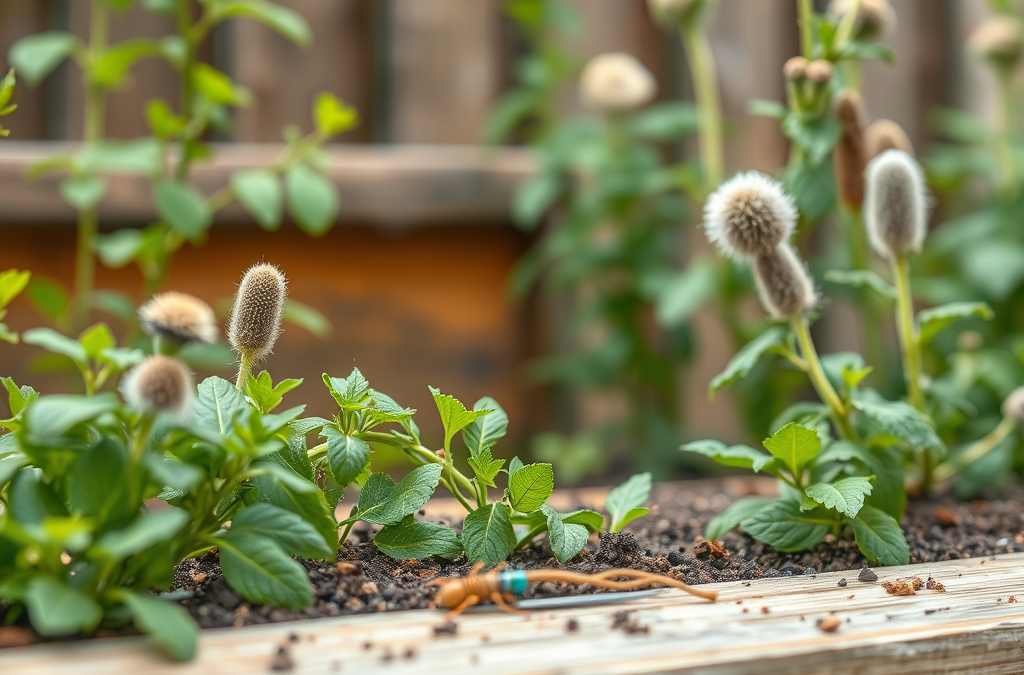
Choosing sustainable gardening practices involves selecting methods that promote environmental health, enhance soil quality, and conserve resources. Start by assessing your soil health through testing, then implement composting to enrich the soil naturally. Incorporating crop rotation and companion planting can help prevent pests and diseases, while using native plants reduces water usage. Prioritize organic pest control methods to maintain biodiversity and protect beneficial insects.
Assessing Soil Health
Understanding the health of your soil is crucial for selecting sustainable gardening practices. Healthy soil is alive with microorganisms that support plant growth and resilience. Begin by conducting a soil test to determine pH levels, nutrient content, and organic matter percentage. This information will guide you in making informed decisions about amendments and fertilization.
For instance, if your soil is too acidic, adding lime can help balance the pH. Conversely, if nutrient levels are low, you might consider organic fertilizers or compost. A common mistake is to assume that all soils are the same; however, local conditions can vary greatly, impacting what practices will be effective.
Additionally, understanding soil texture—whether sandy, loamy, or clay—affects water retention and drainage. Each type has unique needs and benefits, so adapting your gardening methods to fit your soil type is essential for success.
Implementing Composting Techniques
Composting is a cornerstone of sustainable gardening that enriches soil while reducing waste. By recycling kitchen scraps and yard debris, you create nutrient-rich compost that enhances soil structure and fertility. Start by selecting a compost bin or pile in a convenient location and layer green materials (like vegetable scraps) with brown materials (like dried leaves).
One effective method is the hot composting technique, which involves maintaining a high temperature to speed up decomposition. This method not only produces compost faster but also kills pathogens and weed seeds. Many novice gardeners fail to monitor moisture levels, which is vital for successful composting. Aim for a consistency similar to a wrung-out sponge to ensure microbial activity.
Incorporating compost into your garden can lead to healthier plants that require less watering and fertilization. Regularly adding compost also improves soil aeration and drainage, making it a win-win for both you and the environment.
Crop Rotation and Companion Planting
Crop rotation and companion planting are effective strategies to enhance sustainability in your garden. Crop rotation involves changing the types of crops grown in a particular area each season. This practice helps prevent soil nutrient depletion and reduces the risk of pest and disease buildup that can occur when the same crops are planted repeatedly.
For example, rotating legumes with leafy greens can enrich the soil with nitrogen, benefiting subsequent crops. Companion planting goes hand-in-hand with rotation; certain plants can deter pests or enhance growth when planted together. A classic example is planting marigolds alongside vegetables to repel nematodes.
A common misconception is that all plants can be grown together without consequence. Understanding plant compatibility is key to maximizing these benefits. Researching which plants thrive together can save you time and effort while significantly improving your garden’s productivity.
Water Conservation Strategies
Implementing water conservation strategies is essential for sustainable gardening, especially in areas prone to drought. Using techniques such as drip irrigation or soaker hoses can significantly reduce water waste compared to traditional sprinklers. These methods deliver water directly to the plant roots, minimizing evaporation and runoff.
Mulching is another effective strategy; it reduces soil evaporation and suppresses weeds, which compete for water. Organic mulches, like wood chips or straw, also improve soil health as they decompose. Many gardeners overlook the importance of timing; watering early in the morning or late in the afternoon minimizes water loss due to heat.

Choosing drought-resistant plants can further enhance water conservation efforts. Native plants, adapted to local climates, require less water and maintenance. By prioritizing these strategies, you can create a resilient garden that thrives even under challenging conditions.
Frequently Asked Questions
What are the benefits of sustainable gardening practices?
Sustainable gardening practices improve soil health, conserve resources, and promote biodiversity, leading to a healthier ecosystem.
How can I test my soil for health?
You can test your soil using DIY kits available at garden centers or by sending samples to local agricultural extensions for analysis.
What is the role of compost in sustainable gardening?
Compost enriches soil, improves moisture retention, and reduces the need for chemical fertilizers, promoting a healthier garden ecosystem.
What plants are best for companion planting?
Plants like marigolds, basil, and beans are excellent for companion planting, as they can enhance growth and deter pests when grown together.
How can I conserve water in my garden?
Implement drip irrigation, use mulch, and choose drought-resistant plants to significantly reduce water usage in your garden.
Conclusion
Choosing sustainable gardening practices is essential for maintaining a healthy environment and ensuring the longevity of your garden. Focus on assessing soil health, implementing composting, practicing crop rotation, and conserving water. By prioritizing these methods, you can enhance the resilience of your garden, reduce environmental impact, and enjoy the benefits of sustainable gardening for years to come.