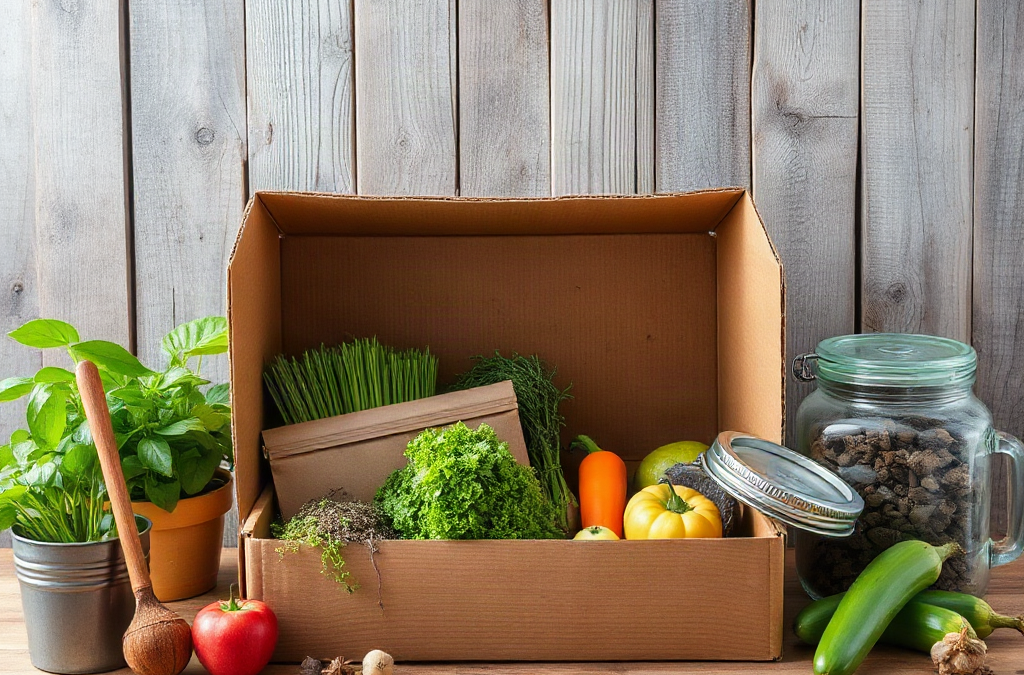
Homesteading subscription boxes worth considering are the ones that match a household’s current projects, provide usable materials, and explain how to apply them safely. Seed and growing boxes suit gardeners who can plant on schedule, while food-preservation, baking, soapmaking, craft, and livestock-care boxes may offer better value for households with specific routines. Check renewal terms, shipping dates, regional suitability, ingredient or tool quality, project difficulty, and the amount of disposable packaging before subscribing. A box becomes poor value when it contains duplicates, novelty items, or supplies that sit unused; a carefully chosen short-term subscription can instead turn a defined skill goal into a manageable monthly project.
What Makes a Homesteading Box Worth the Cost
A worthwhile homesteading subscription box delivers more than a collection of rustic-themed objects. It should contain materials that support a defined activity, such as starting seeds, making cultured foods, preserving a harvest, baking bread, repairing household items, or practicing a small craft. The value comes from the relationship between the contents, the instructions, and the recipient’s available time.
Consider a household preparing for spring planting. A box with regionally appropriate seeds, labels, soil-blocking materials, and a clear sowing schedule may save several separate shopping trips. The same box is a weak purchase for someone without suitable light, containers, or planting space. A useful package reduces friction around an activity already likely to happen; it does not create a need for another hobby.
Cost should be measured against usable output rather than the advertised retail value of every item. A small amount of specialty wax, a well-designed pattern, or a fermentation weight might be valuable if it solves a real problem. Conversely, inexpensive trinkets, duplicate tools, and ingredients with short use windows can make a seemingly generous box expensive. Shipping, taxes, renewal charges, and the cost of buying missing equipment belong in the calculation.
Before ordering, ask four practical questions:
- Will the contents be used within the next month or season?
- Does the project require equipment or ingredients not included?
- Can the supplies be stored safely if the project is delayed?
- Does the subscription teach a repeatable skill or provide only a one-time novelty?
The common mistake is assuming that a higher item count means better value. A focused box that enables one complete project can be more useful than a larger package containing unrelated samples. Readers comparing options through Homesteading subscription boxes worth considering should rank practical fit, instruction quality, and supply durability before appearance or unboxing appeal.
Subscription Box Types and Who They Suit
Seed and garden boxes are a natural entry point, but they require close attention to climate, planting dates, daylight, and available growing space. Seeds selected for one region may not perform similarly elsewhere, and a monthly delivery schedule may not match the local growing calendar. These boxes suit gardeners who want variety and a structured planting prompt, especially when the package includes germination notes and crop-specific timing rather than generic encouragement.
Food-making boxes can focus on baking, cheese-style projects, fermentation, dehydration, or pantry preservation. Their appeal is strongest when the household already cooks regularly and can use the result promptly. A baking box may provide specialty flour, a culture, and a recipe, but the subscriber may still need a scale, suitable containers, or temperature control. Fermentation projects also require careful cleanliness and following tested instructions; a decorative jar does not replace process knowledge.
Soap, candle, and household-making boxes offer a different kind of value. They can introduce measured recipes and small-batch practice without requiring a large initial purchase. The tradeoff is that some projects involve heat, caustic materials, fragrance sensitivities, or ventilation requirements. A beginner should favor providers that disclose ingredients, protective equipment needs, storage guidance, and disposal instructions. A box that hides essential safety information behind a short card is not a strong teaching product.
Craft and repair boxes may include fiber work, mending, basketry, woodworking, or simple tool-use projects. These can fit homesteaders who want useful household outputs, but the definition of “useful” varies. A mending kit may have lasting value because it supports repeated repairs; a highly specific decorative project may be less suitable for a household trying to reduce purchases. Livestock-oriented packages deserve extra caution because animal care cannot be reduced to a monthly activity kit. Supplies should never substitute for species-specific husbandry knowledge, veterinary advice, or appropriate feed and housing.
Choose by the work you already need to do, not by the category that looks most adventurous. A gardener with surplus produce may gain more from a preservation box than another seed delivery. A new baker may prefer a short baking series over a mixed box that changes topics each month. The weak assumption is that exposure to many skills automatically builds self-reliance; repeated practice with one manageable process usually produces more dependable results.
How to Check Quality, Timing, and Regional Fit
Subscription quality is visible in the details suppliers disclose before payment. Look for a complete description of the current theme, an explanation of what changes from month to month, and a clear statement about whether contents are fixed or substituted. Photos alone are insufficient because they may show sample items rather than the actual shipment. A responsible seller should make it possible to judge ingredients, sizes, quantities, tool materials, and project requirements.
Timing matters particularly for seeds, live plants, perishable ingredients, and seasonal preservation work. A delivery that arrives after the local sowing window may be disappointing even if the contents are sound. Subscribers should compare the seller’s shipping calendar with local planting dates and household workload. If the provider does not publish a schedule, ask before subscribing or select a nonseasonal box such as mending or shelf-stable baking supplies.
Quality also includes instructional design. Strong directions identify preparation, sequence, expected texture or appearance, storage, cleanup, and signs that the process is not proceeding normally. For example, a fermentation project should explain vessel preparation and monitoring rather than simply naming a recipe. A seed box should distinguish direct sowing from transplanting and mention depth, spacing, and light needs. Instructions that assume advanced knowledge can turn an affordable project into an avoidable waste of materials.
Packaging creates another tradeoff. Individual packets may protect fragile contents, but excessive plastic, mixed-material inserts, or oversized shipping cartons add disposal work. Reusable containers and refill options can matter more to a low-waste household than a bonus item. Check whether the company accepts cancellations online, how renewal works, whether prepaid plans renew automatically, and what happens when a shipment is damaged or delayed.
Compare each candidate against a simple evidence checklist:
- Contents and quantities are disclosed clearly.
- Regional or seasonal limits are acknowledged.
- Safety and equipment requirements are stated before purchase.
- Instructions support a complete project, not just an isolated sample.
- Cancellation, renewal, replacement, and shipping policies are easy to find.
A frequent failure occurs when shoppers compare only the monthly price. The real expense may include a specialized tool, replacement ingredient, storage bin, or second order caused by an unsuitable delivery date. Use the same scrutiny described in Homesteading subscription boxes worth considering when evaluating both premium and budget providers.
A Practical Trial Plan Before You Commit
A one-month or limited-run trial is usually safer than an annual commitment, particularly when the provider does not publish full future themes. Start by selecting one outcome: establish seedlings, make a shelf-stable pantry item, repair several garments, or complete a beginner craft. Define what success means before the box arrives. “Use everything” is less useful than “finish the project, record the result, and identify which supplies will be used again.”
When the package arrives, photograph the contents and compare them with the listing. Check seals, expiration dates, damaged tools, seed labeling, and any missing instructions. Store ingredients according to their labels and keep materials for heat, blades, chemicals, or animals away from children and pets. If a project involves food, follow established food-safety directions rather than improvising acidity, processing time, or storage conditions.
Set aside a realistic work period. A box intended to teach can fail simply because the project requires three uninterrupted hours in a household that only has short evening windows. Break the activity into preparation, production, and cleanup. Record what was consumed, what remained, what had to be purchased separately, and whether the instructions answered practical questions. This record gives a better value assessment than excitement on delivery day.
At the end of the trial, decide whether the subscription deserves renewal. Continue when the box supplies a recurring need, builds a skill through logical progression, and produces materials or knowledge that will be reused. Pause when the household has unfinished projects, seasonal conditions have changed, or storage is becoming crowded. Cancel when the contents are consistently mismatched, instructions are inadequate, or replacement and renewal policies feel difficult to manage.
Consider a direct-purchase alternative before renewing. Buying a seed assortment, preservation tool, or mending kit once may cost less than receiving themed additions every month. A subscription earns its place when curation, instruction, discovery, or scheduled practice provides value that ordinary shopping does not. That distinction keeps the box connected to household production rather than turning it into another source of clutter.
Frequently Asked Questions
Are homesteading subscription boxes worth the money?
They can be worthwhile when the contents support a planned project and include materials or instruction that would otherwise be difficult to assemble. Compare total delivered cost with actual use, not the claimed value of unused extras.
Which type of box is best for a beginner?
A focused box with shelf-stable materials, clear directions, and modest equipment requirements is generally easier to evaluate than a mixed box. Baking, mending, or a small craft project may provide a manageable first trial.
Should gardeners subscribe to monthly seed boxes?
Only if the seed timing and crop selection suit the local growing season and available space. Confirm germination information, regional guidance, and whether the delivery schedule can be paused during inactive months.
What should I check before ordering a subscription?
Review current contents, future-theme information, shipping dates, equipment requirements, ingredient disclosures, renewal terms, cancellation rules, and the seller’s policy for damaged or substituted items.
Can a subscription box replace homesteading classes or expert advice?
No. A box may provide structured practice, but it cannot replace local growing knowledge, food-safety guidance, animal-care education, or professional advice for higher-risk activities.
Conclusion
The strongest subscription boxes earn their cost by helping a household complete a relevant project, repeat a useful process, or build confidence with well-chosen materials. Start with the activity already competing for your time: planting, preserving, baking, mending, or another defined task. Then verify regional timing, safety requirements, equipment gaps, packaging, and renewal terms before paying for multiple shipments. A limited trial reveals whether the instruction is practical and whether the contents become useful supplies or simply accumulate. Treat subscriptions as optional tools rather than proof of commitment to a homesteading lifestyle. If a direct purchase serves the same purpose more cheaply, choose it; if careful curation and progressive instruction remove genuine barriers, a short, well-matched subscription may be a sensible addition.