
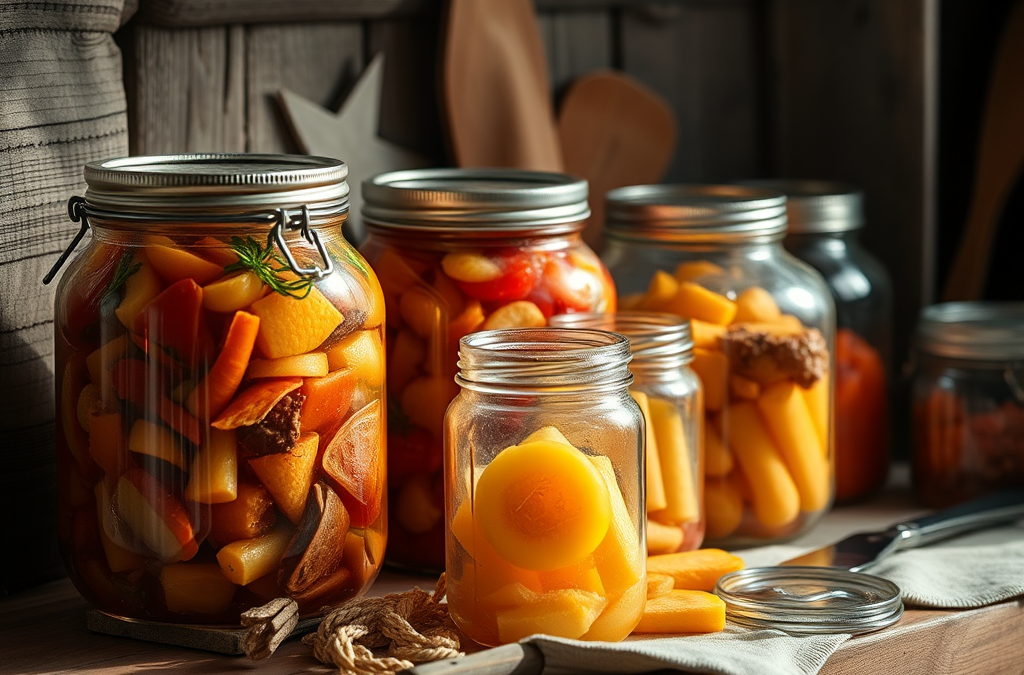
Essential skills for self-sufficient living include food preservation, basic carpentry, and gardening techniques. Mastering these skills allows individuals to grow their own food, build necessary structures, and ensure sustainability in their lifestyle. Understanding how to preserve food through canning or dehydrating, effectively manage garden pests, and create functional furniture or storage solutions are crucial for achieving true self-sufficiency. These skills not only reduce reliance on external resources but also foster a greater connection to one’s environment.
Food Preservation Techniques
Food preservation is a critical skill for anyone pursuing self-sufficiency. It involves methods such as canning, dehydrating, and fermenting to extend the shelf life of food. Mastering these techniques ensures that you can store surplus produce from your garden or local markets, reducing waste and reliance on store-bought goods.
Canning is one of the most popular methods, allowing you to seal food in jars for long-term storage. It’s essential to understand the different types of canning, such as water bath canning for high-acid foods and pressure canning for low-acid foods. Each method has specific safety guidelines to prevent spoilage and foodborne illnesses. For example, pressure canning is necessary for vegetables and meats to reach the necessary temperatures to kill harmful bacteria.
Dehydrating is another effective technique, which removes moisture from food to inhibit the growth of microorganisms. You can use a dehydrator or an oven to dry fruits, vegetables, and herbs. This method retains nutrients while providing lightweight and space-efficient storage options.
Fermentation, a method used for centuries, not only preserves food but also enhances its nutritional profile. Foods like sauerkraut and kimchi are examples of fermented products that are rich in probiotics, which can support gut health. Engaging in these methods not only promotes self-sufficiency but also encourages a sustainable lifestyle by utilizing seasonal produce effectively.
Essential Gardening Skills
Gardening is at the heart of self-sufficient living. Understanding how to grow your own food can drastically reduce grocery bills and provide fresh produce year-round. Essential gardening skills include soil management, plant selection, and pest control.
Soil management involves understanding the composition and health of your soil. Conducting a soil test helps determine pH levels and nutrient content, guiding you in amending the soil with organic matter, compost, or fertilizers. Healthy soil leads to robust plant growth, which is vital for a productive garden.
Choosing the right plants for your climate and soil type is crucial. Heirloom varieties often provide better flavor and resilience compared to commercial hybrids. Additionally, companion planting can enhance growth and deter pests naturally. For example, planting marigolds alongside vegetables can repel harmful insects.
Pest control is another vital aspect of gardening. Rather than relying on chemical pesticides, consider integrated pest management (IPM) strategies that include introducing beneficial insects, using natural repellents, and practicing crop rotation to prevent pest buildup. This holistic approach not only protects your crops but also promotes a healthier ecosystem.
Basic Carpentry and Building Skills
Basic carpentry skills are essential for creating and maintaining structures on your homestead. Knowing how to build simple furniture, storage units, or even basic shelters can save money and provide functional solutions tailored to your needs.
Start with understanding essential tools such as saws, hammers, and drills, along with safety practices for using them. Learning to read blueprints and measure accurately is crucial for successful projects. Simple tasks like building raised garden beds or constructing a chicken coop can be great starting points for honing these skills.
Additionally, understanding materials is key. Different types of wood, for instance, serve various purposes; softwoods like pine are easier to work with for beginners, while hardwoods such as oak provide durability for outdoor projects. Each project will require thoughtful consideration of material choice based on function and longevity.
Common mistakes include underestimating the amount of material needed or failing to account for weatherproofing in outdoor projects. Investing time in planning and preparation can prevent costly errors and ensure that your structures last.
Understanding Livestock Management
For those looking to expand their self-sufficient lifestyle, understanding livestock management is essential. Raising animals provides not only food such as eggs, milk, and meat but also natural fertilizers and companionship.

Begin with small livestock such as chickens or rabbits, which require less space and are easier to manage. Understanding their dietary needs, housing requirements, and health care is crucial for successful livestock management. For example, chickens need a balanced diet along with access to grit for digestion and a secure coop to protect them from predators.
Additionally, learn about breeding practices and the importance of genetics in livestock. Selecting healthy breeding stock can lead to stronger, more productive animals. It’s also important to be aware of local regulations regarding livestock keeping, as these can vary significantly.
Common mistakes in livestock management include overfeeding, inadequate housing, and neglecting regular health checks. Establishing a routine for feeding, cleaning, and health monitoring can prevent many issues and ensure a thriving environment for your animals.
Frequently Asked Questions
What are the most important skills for self-sufficient living?
Key skills include food preservation, gardening, basic carpentry, and livestock management, each contributing to a sustainable lifestyle.
How can I start preserving food at home?
Begin with canning fruits and vegetables, drying herbs, or fermenting foods like sauerkraut to extend their shelf life.
What gardening techniques are best for beginners?
Start with raised beds, companion planting, and using organic fertilizers to create a productive and manageable garden.
How much space do I need for livestock?
Chickens can thrive in small backyards, while larger animals like goats need more space; research specific needs before starting.
What tools do I need for basic carpentry?
Essential tools include a saw, hammer, measuring tape, and level; these will help you start with simple projects.
Conclusion
Embracing essential skills for self-sufficient living not only enhances your independence but also fosters a deeper connection to your environment. By mastering food preservation, gardening, carpentry, and livestock management, you can create a sustainable lifestyle that reduces reliance on external resources. Prioritize learning these skills progressively, starting with those that align with your interests and immediate needs. With patience and practice, you will cultivate a rewarding self-sufficient lifestyle that supports both your well-being and that of the planet.


