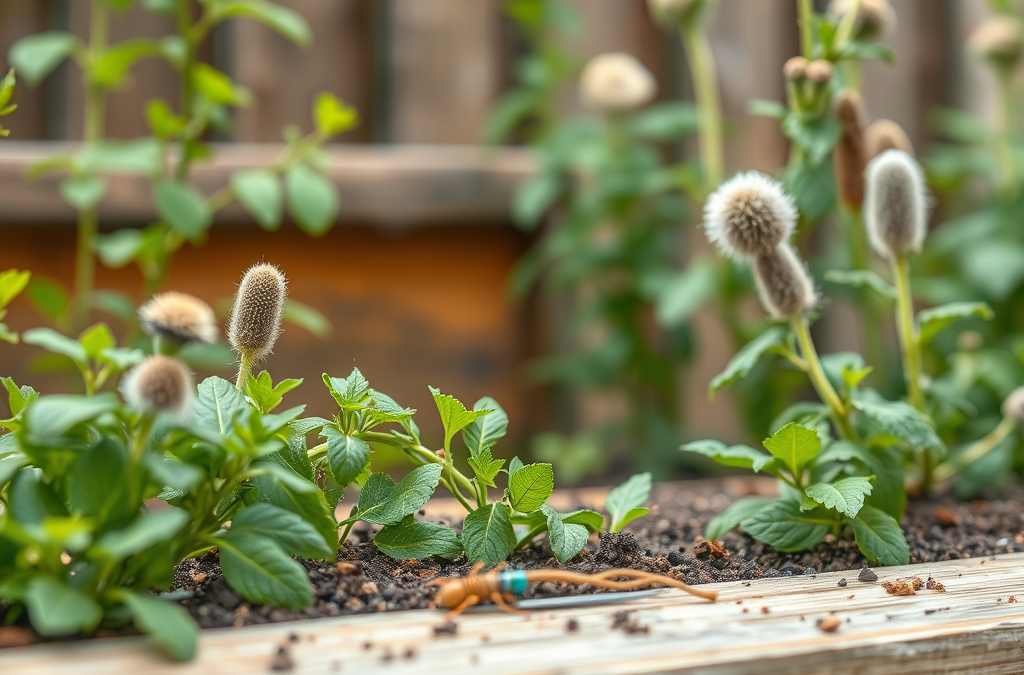
Dealing with pests in an eco-friendly way involves employing natural strategies that minimize harm to the environment while effectively managing pest populations. One effective approach is to introduce beneficial insects, such as ladybugs and lacewings, which prey on harmful pests like aphids. Additionally, using organic repellents made from natural ingredients can deter unwanted insects without the use of synthetic chemicals. It’s also crucial to maintain garden health through practices like crop rotation and companion planting, which can prevent infestations and promote a balanced ecosystem. Avoiding broad-spectrum pesticides is essential, as they can disrupt the natural predator-prey relationships in your garden.
Understanding Eco-Friendly Pest Control
Dealing with pests in an eco-friendly way requires a shift in perspective from traditional chemical methods to sustainable practices that respect the ecosystem. Eco-friendly pest control focuses on prevention, management, and the use of natural resources to deter pests without harming beneficial organisms. Understanding the types of pests that threaten your garden and their life cycles can help in devising effective strategies.
Many gardeners mistakenly believe that the only way to control pests is through synthetic pesticides. However, this approach can lead to pesticide resistance and disrupt the natural balance of the ecosystem. Instead, eco-friendly pest control emphasizes integrated pest management (IPM), which combines cultural, mechanical, biological, and chemical practices that are safe for the environment.
Utilizing Beneficial Insects
One of the most effective methods for dealing with pests in an eco-friendly way is the introduction of beneficial insects. Ladybugs, lacewings, and parasitic wasps are natural predators of common garden pests like aphids and caterpillars. By attracting these beneficial insects to your garden, you can create a balanced ecosystem that naturally controls pest populations.
To attract beneficial insects, consider planting a variety of flowering plants that provide nectar and pollen. Plants like dill, fennel, and yarrow are particularly effective. Additionally, avoid using broad-spectrum insecticides that can harm these helpful species. A common mistake gardeners make is not providing sufficient habitat for beneficial insects, such as shelter and food sources. Creating a diverse garden can significantly enhance the presence of these allies.
Natural Repellents for Common Pests
Natural repellents can also play a crucial role in dealing with pests in an eco-friendly way. Essential oils, garlic spray, and diatomaceous earth are popular choices among organic gardeners. These substances deter pests without the harmful effects associated with conventional pesticides.
For instance, a simple garlic spray can be made by blending garlic cloves with water and straining the mixture. This natural repellent is effective against aphids and spider mites. Diatomaceous earth, a powder made from fossilized algae, can be sprinkled around plants to deter soft-bodied insects. However, it’s essential to reapply after rain or watering. Many gardeners overlook the need to monitor the effectiveness of these repellents, which can lead to pest outbreaks if not adjusted accordingly.
Maintaining Garden Health to Prevent Infestations
Maintaining a healthy garden is a vital aspect of dealing with pests in an eco-friendly way. Healthy plants are more resilient to pests and diseases. This involves proper watering, adequate sunlight, and nutrient management through composting and organic fertilizers. Crop rotation is another effective practice that helps prevent pest buildup and soil depletion.
Many gardeners fail to recognize the importance of soil health in pest management. Healthy soil leads to robust plants that can withstand pest pressures. Regularly testing soil and amending it with organic matter can enhance its fertility and structure. Additionally, keeping the garden clean by removing debris and dead plants can reduce hiding spots for pests.
Frequently Asked Questions
What are some eco-friendly ways to deter pests?
Eco-friendly ways to deter pests include introducing beneficial insects, using natural repellents like garlic spray, and maintaining a diverse garden to attract predators.
How can I attract beneficial insects to my garden?
To attract beneficial insects, plant a variety of flowering plants that provide nectar and pollen, such as dill, yarrow, and fennel.
Is it safe to use essential oils for pest control?
Yes, many essential oils can be used safely as natural pest repellents; however, they should be diluted and tested on a small area first to ensure plant safety.
What role does soil health play in pest management?
Healthy soil promotes strong plants that are more resistant to pests and diseases, making soil health a critical factor in pest management.
Can I use homemade remedies for pest control?
Yes, homemade remedies like soap sprays and garlic solutions can be effective for pest control, but it’s essential to monitor their impact and adjust as needed.
Conclusion
Dealing with pests in an eco-friendly way is not only possible but also essential for sustainable gardening. By utilizing beneficial insects, natural repellents, and maintaining overall garden health, you can effectively manage pest populations while promoting biodiversity. Prioritize practices that enhance soil health and encourage natural pest control methods. With a proactive approach, you can create a thriving garden that coexists harmoniously with nature.