Creating a homestead that supports mental well-being involves integrating nature, structured routines, and community connections into daily life. Engaging in gardening, animal care, and outdoor activities can significantly reduce stress and enhance mood. Additionally, establishing a routine helps streamline tasks, providing a sense of accomplishment and stability. Prioritizing social interactions within a supportive community further fosters a sense of belonging, making the homestead a sanctuary for mental health.
The Role of Nature in Mental Health
Engaging with nature is a powerful way to support mental well-being. Studies have shown that spending time outdoors can reduce anxiety, depression, and stress levels. A homestead allows for direct interaction with the environment through gardening, caring for animals, and simply enjoying the landscape. These activities encourage mindfulness and can lead to improved mood and cognitive function.
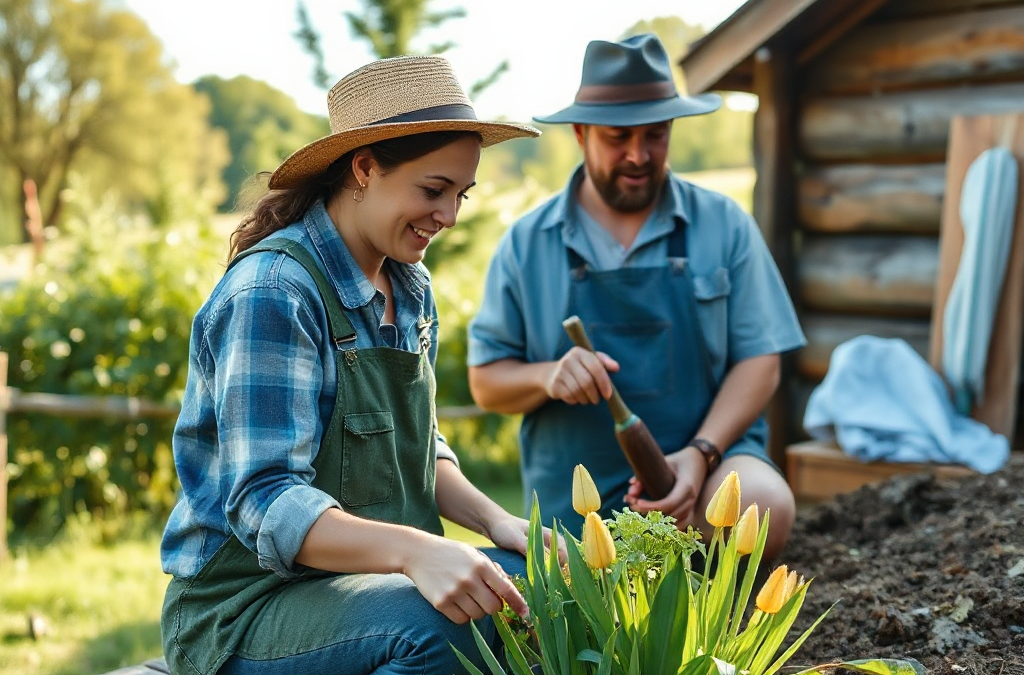
For instance, tending to a garden not only provides fresh produce but also offers a therapeutic outlet. The act of planting, nurturing, and harvesting can be meditative, helping to clear the mind and reduce negative thoughts. Moreover, exposure to sunlight helps boost Vitamin D levels, which is linked to improved mental health outcomes.
Establishing Healthy Routines
Creating a structured daily routine is essential for maintaining mental well-being on a homestead. Routines provide a sense of predictability and control, which can be particularly beneficial in managing stress. Incorporating regular tasks like feeding animals, watering plants, and setting aside time for rest can create a balanced lifestyle.
For example, starting each day with a morning walk or meditation session can set a positive tone. Likewise, scheduling specific times for work and relaxation helps to prevent burnout. It’s important to remain flexible, as unexpected challenges can arise in homesteading, but having a general framework can aid in maintaining mental clarity and focus.
Building Community Connections
Community plays a vital role in supporting mental health. Homesteading often lends itself to creating close-knit relationships with neighbors and fellow homesteaders. Engaging in local events, workshops, and cooperative farming can foster a sense of belonging and support.
Participating in community activities not only builds social networks but also provides opportunities for shared learning. For instance, joining a local gardening club or attending workshops can enhance skills while creating friendships that enrich the homesteading experience. These connections can help mitigate feelings of isolation that sometimes accompany rural living.
Practical Tips for a Mental Health-Friendly Homestead
To create a homestead that supports mental well-being, consider implementing the following practical tips:
- Incorporate Nature: Design gardens and outdoor spaces that invite relaxation and reflection.
- Set a Routine: Establish daily schedules that balance work, play, and rest.
- Foster Community: Engage with neighbors and local organizations to build a support network.
- Mindfulness Practices: Include activities such as yoga or meditation in your daily routine.
- Limit Digital Distractions: Designate technology-free times to enhance focus and presence.
Implementing these strategies can lead to a more fulfilling and mentally healthy homesteading experience. The key is to prioritize well-being while enjoying the benefits of a self-sufficient lifestyle.
Frequently Asked Questions
How can gardening improve mental health?
Gardening can improve mental health by providing a therapeutic outlet, reducing stress, and promoting mindfulness through interaction with nature.
What are some activities to include in a homestead routine?
Activities can include feeding animals, watering plants, gardening, cooking, and scheduled relaxation time to maintain balance.
How important is community for mental well-being?
Community is crucial as it provides social support, reduces feelings of isolation, and fosters connections that enhance overall well-being.
Can spending time outdoors really reduce anxiety?
Yes, spending time outdoors has been shown to lower anxiety levels, improve mood, and increase feelings of happiness due to exposure to nature.
What is a simple mindfulness practice for homesteaders?
A simple mindfulness practice can include morning meditation or deep-breathing exercises to promote mental clarity and reduce stress.
Conclusion
Creating a homestead that supports mental well-being requires a thoughtful approach to integrating nature, establishing routines, and building community connections. By prioritizing these elements, individuals can cultivate a lifestyle that not only nurtures physical health but also enhances mental resilience. Embrace the journey, and remember that small, consistent efforts can lead to significant improvements in overall well-being.