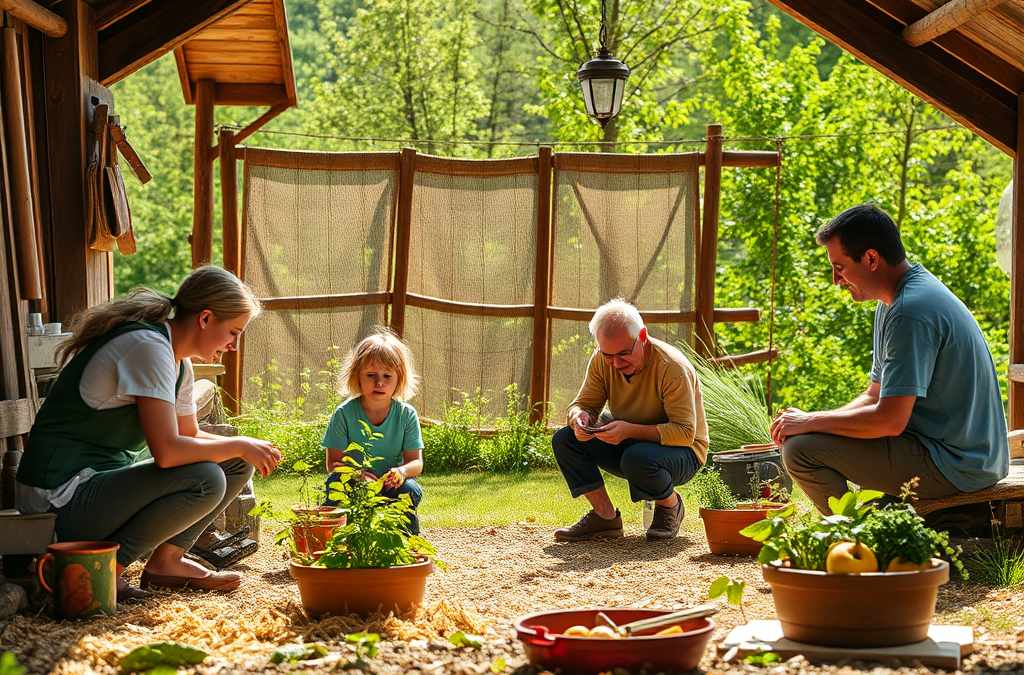
Creating a homestead that encourages family bonding involves engaging projects, shared responsibilities, and meaningful connections among family members. By involving everyone in gardening, animal care, and home improvement tasks, families can foster teamwork and communication. Establishing routines that include collective meals, outdoor activities, and seasonal celebrations further strengthens these bonds while instilling a sense of shared purpose and achievement. Prioritizing time spent together on the homestead can significantly enhance family relationships and create lasting memories.
Engaging Projects for All Ages
One of the primary ways to foster family bonding on a homestead is to engage in projects that involve all family members, regardless of age. Activities like gardening, crafting, or building a chicken coop can be tailored to include everyone, promoting participation and enjoyment.
Gardening, for instance, allows children to learn about plant growth while adults can handle the more complex tasks of soil preparation and pest management. This division of labor not only teaches responsibility but also provides an opportunity for mentorship, as adults can share their knowledge and experiences with younger generations.
Moreover, creating a family garden can be a rewarding experience. Choosing plants together, planning the layout, and nurturing the garden can become a cherished family tradition. This not only enhances the family’s connection to nature but also instills a sense of accomplishment as they watch their efforts yield fruits and vegetables.
In addition to gardening, consider projects such as constructing a treehouse, building raised garden beds, or setting up a composting system. These projects can be exciting and educational, providing practical skills and fostering collaboration. Each completed project serves as a tangible reminder of teamwork and shared experiences, strengthening family bonds.
Shared Responsibilities: Building Teamwork
Shared responsibilities are crucial for creating a homestead that encourages family bonding. When family members take on specific roles, they learn the value of teamwork and cooperation. Assigning tasks such as animal care, maintenance, or cooking can help distribute the workload while giving everyone a sense of ownership.
For example, if one family member is responsible for feeding the animals, they can develop a routine that includes checking on the health of the animals and ensuring they have clean water. This responsibility can be shared among siblings, encouraging them to work together, communicate, and support one another. Such collaboration helps build trust and reinforces the idea that each person’s contribution is valuable.
Moreover, establishing a family schedule with designated chores can create a structure that everyone can rely on. This structure not only helps manage the homestead more efficiently but also provides opportunities for family members to come together regularly, whether it’s for a shared meal after chores or a weekly planning session.
By embracing shared responsibilities, families can cultivate a sense of unity and teamwork, making the homestead a place where everyone feels involved and important.
Creating Meaningful Connections
Creating a homestead that encourages family bonding also involves intentional efforts to foster meaningful connections. This can be achieved through regular family activities, traditions, and open communication. Establishing routines, such as family dinners or weekly game nights, can create opportunities for family members to connect and share their thoughts and experiences.

Additionally, seasonal celebrations, such as harvest festivals or holiday gatherings, can serve as milestones that bring the family together. These events allow for the sharing of stories, laughter, and memories, reinforcing the family’s shared history and culture.
Incorporating storytelling into these gatherings can further enhance connections. Sharing personal experiences, lessons learned, and family traditions can create a sense of belonging and identity among family members. This practice not only strengthens bonds but also passes down valuable life lessons and family lore to younger generations.
Overcoming Challenges Together
Another important aspect of creating a homestead that encourages family bonding is the ability to face challenges together. Whether it’s dealing with a crop failure, a sick animal, or unexpected weather events, tackling these obstacles as a family can foster resilience and unity.
When challenges arise, it’s essential to approach them as a team. This can involve brainstorming solutions together, dividing tasks to address the issue, and supporting one another emotionally. By facing difficulties together, family members can build trust and learn to rely on each other, reinforcing their connections.
Moreover, discussing challenges openly can model healthy communication skills and problem-solving strategies for younger family members. This not only prepares them for future obstacles but also instills a sense of confidence in their ability to contribute to the family unit.
For readers interested in exploring more about creating a homestead that encourages family bonding, consider the following resources: