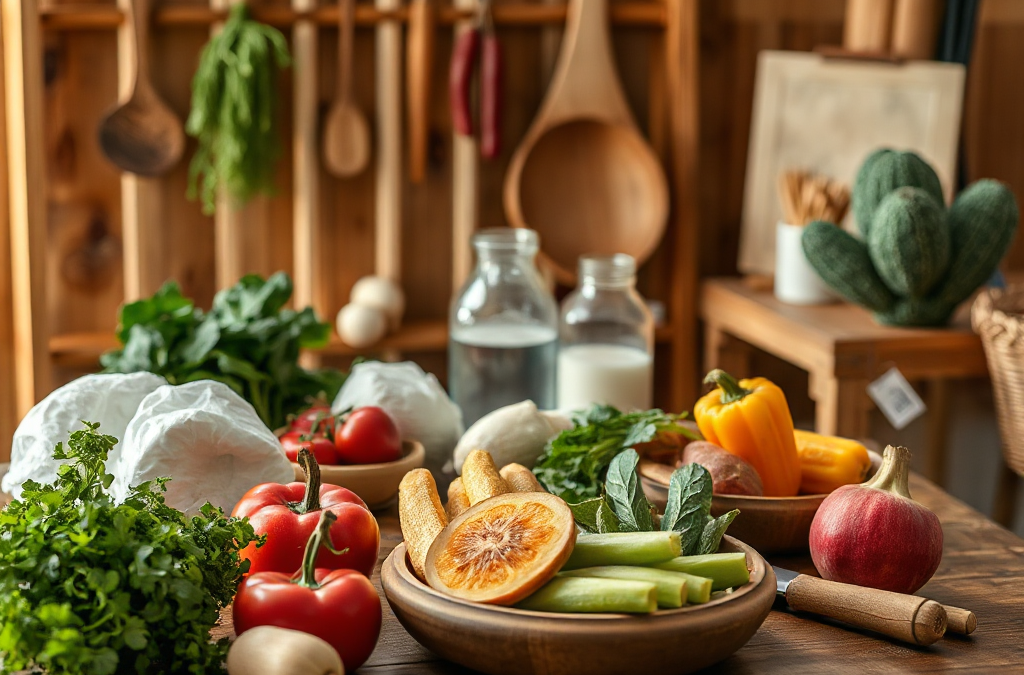
Creating a balanced diet from your homestead production involves integrating a variety of homegrown fruits, vegetables, and proteins to meet nutritional needs. Focus on growing diverse crops like leafy greens, root vegetables, and legumes, while also raising livestock for eggs and dairy. Prioritize seasonal planting and crop rotation to enhance soil health and yield. Proper planning and knowledge of nutritional guidelines can prevent deficiencies and ensure a well-rounded diet.
Understanding Nutritional Needs
Creating a balanced diet from your homestead production requires a foundational understanding of nutritional needs, including macronutrients and micronutrients essential for health. Macronutrients, which include carbohydrates, proteins, and fats, provide energy and support bodily functions, while micronutrients, such as vitamins and minerals, are crucial for various metabolic processes.
To achieve a balanced diet, consider the recommended dietary allowances (RDAs) for different age groups and lifestyles. This knowledge helps in planning what crops to grow and what livestock to raise. For instance, a diverse garden can provide the necessary vitamins A and C through leafy greens and colorful vegetables, while grains can supply carbohydrates. Remember that each family member may have unique dietary requirements based on their age, gender, and activity level.
One common mistake is focusing solely on a few crops or livestock types, which can lead to nutritional deficiencies. Instead, aim for a variety of foods that cover all essential nutrients. Regularly reviewing dietary needs and adjusting your homestead production accordingly will help maintain a balanced diet.
Key Crops for a Balanced Diet
When creating a balanced diet from your homestead production, selecting the right crops is paramount. Prioritize growing a variety of fruits and vegetables that provide essential nutrients. Leafy greens, such as spinach and kale, are rich in iron and calcium, while root vegetables like carrots and beets offer vitamins and fiber.
Legumes, including beans and peas, are excellent sources of protein and should be a staple in your garden. They not only provide nutrition but also improve soil fertility through nitrogen fixation. Additionally, consider incorporating grains like corn, wheat, or barley, which serve as energy sources and can be stored for long-term use.
Fruits like tomatoes, peppers, and berries are not only delicious but also packed with vitamins and antioxidants. Growing a variety of crops ensures that you have a well-rounded diet throughout the year. Be mindful of seasonal changes and local climate conditions, as they will influence what you can grow successfully.
Raising Livestock for Nutritional Diversity
Raising livestock is an integral part of creating a balanced diet from your homestead production. Livestock can provide essential proteins and fats that plant-based diets may lack. Chickens are a popular choice for backyard farms, offering eggs rich in protein and healthy fats. Additionally, they help with pest control in the garden.
Dairy animals, such as goats or cows, contribute milk, which can be processed into cheese and yogurt, adding diversity to your diet. Incorporating livestock also provides manure that enriches the soil, leading to healthier crops. However, it’s essential to manage livestock responsibly, ensuring they have proper care and space.
A common misconception is that raising livestock is too labor-intensive. With proper planning and the right breeds, livestock can be a manageable addition to your homestead, enhancing your diet without overwhelming your resources.
Planning and Crop Rotation Strategies
Effective planning and crop rotation are crucial for maximizing productivity and maintaining soil health when creating a balanced diet from your homestead production. Start by designing a planting schedule that aligns with the growing seasons in your area. This planning will help you optimize yields and ensure a continuous supply of fresh produce.
Crop rotation involves alternating the types of crops grown in a particular area each season. This practice prevents nutrient depletion and reduces the risk of pests and diseases. For example, following nitrogen-fixing legumes with heavy feeders like tomatoes can enhance soil fertility. Implementing companion planting can also provide natural pest control and improve crop yields.

One mistake many homesteaders make is neglecting soil health. Regularly testing soil and adding organic matter, such as compost, will improve soil structure and nutrient content. This foundational work supports healthier crops and, ultimately, a more balanced diet.
Frequently Asked Questions
What are the essential nutrients needed for a balanced diet?
A balanced diet requires macronutrients like carbohydrates, proteins, and fats, as well as micronutrients such as vitamins and minerals.
How can I diversify my homestead crops?
Diversify by growing a variety of vegetables, fruits, grains, and legumes that meet your nutritional needs and adapt to your local climate.
What livestock should I raise for a balanced diet?
Consider raising chickens for eggs, goats for milk, and rabbits for meat to diversify your protein sources and enhance your diet.
Why is crop rotation important?
Crop rotation prevents soil nutrient depletion, reduces pest problems, and improves overall soil health, which is crucial for sustainable food production.
What common mistakes should I avoid when homesteading?
Avoid focusing on only a few crops or ignoring soil health, as these can lead to nutritional deficiencies and reduced yields.
Conclusion
Creating a balanced diet from your homestead production is a rewarding endeavor that requires careful planning and a diverse approach. By understanding nutritional needs, selecting the right crops, and incorporating livestock, you can achieve a sustainable and nutritious food source. Remember to prioritize crop rotation and soil health to maximize your production potential. As you refine your homesteading practices, stay adaptable and open to learning, ensuring that your diet remains balanced and fulfilling.