by Homesteading Lifestyle Editorial Team | Sep 10, 2026 | Homesteading
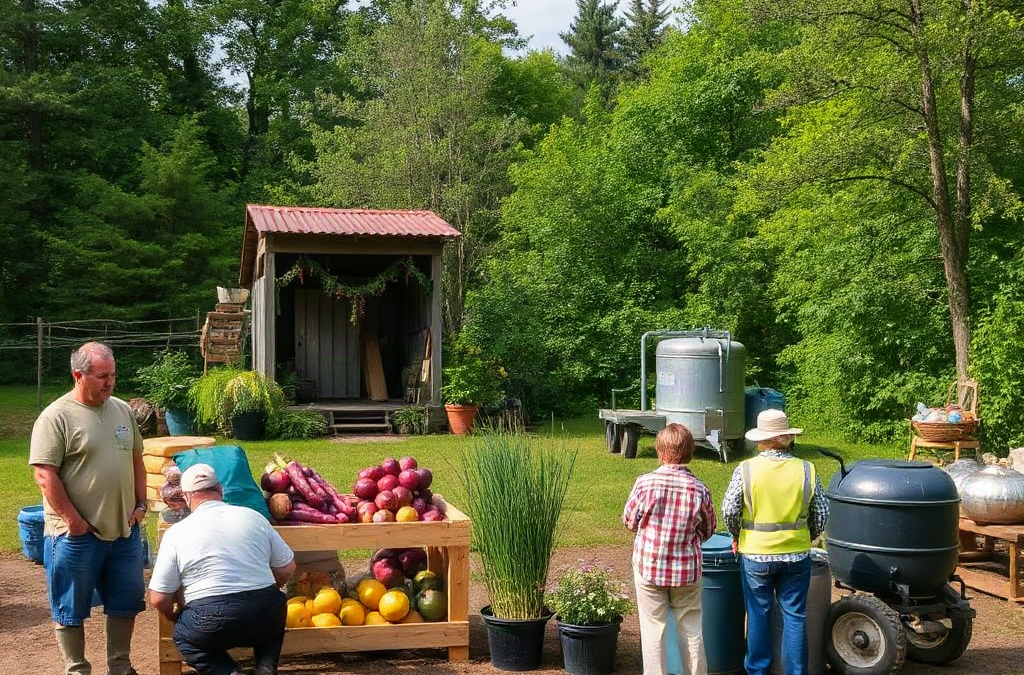
Intentional homesteading aligns production with values by deciding what the household wants its food, land, labor, animals, and spending to accomplish before choosing projects. A workable plan translates priorities such as humane animal care, soil improvement, lower purchased-input use, or household food security into specific enterprises and limits.
by Homesteading Lifestyle Editorial Team | Sep 10, 2026 | Homesteading
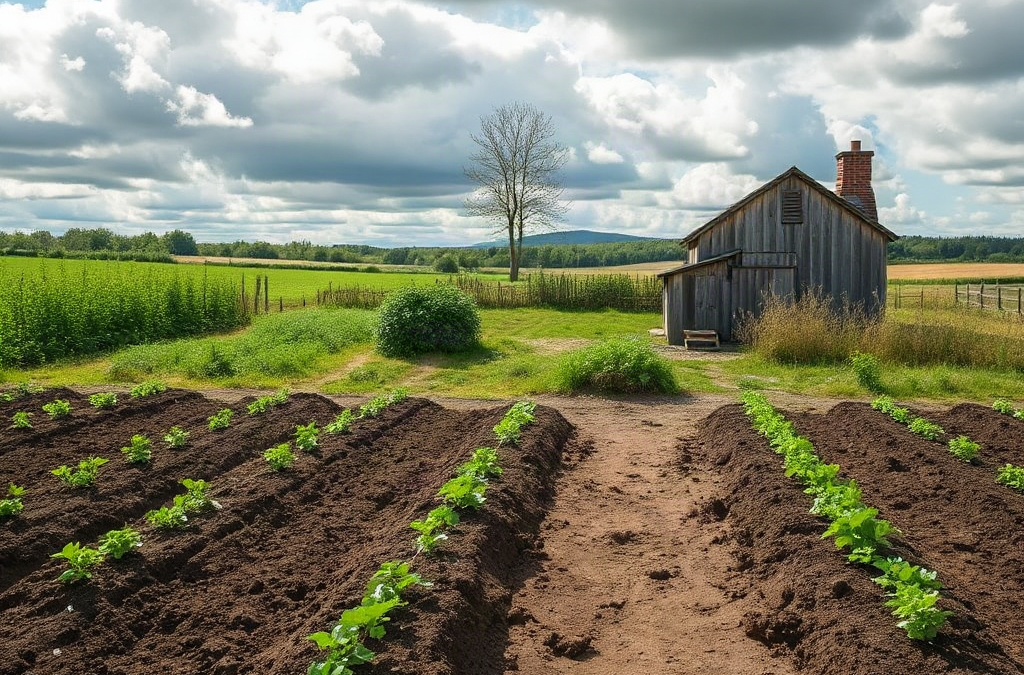
Explore homesteading in ireland through finding land, reading soil, drainage, and working with ireland’s, considering the conditions that change the outcome.
by Homesteading Lifestyle Editorial Team | Sep 9, 2026 | Homesteading
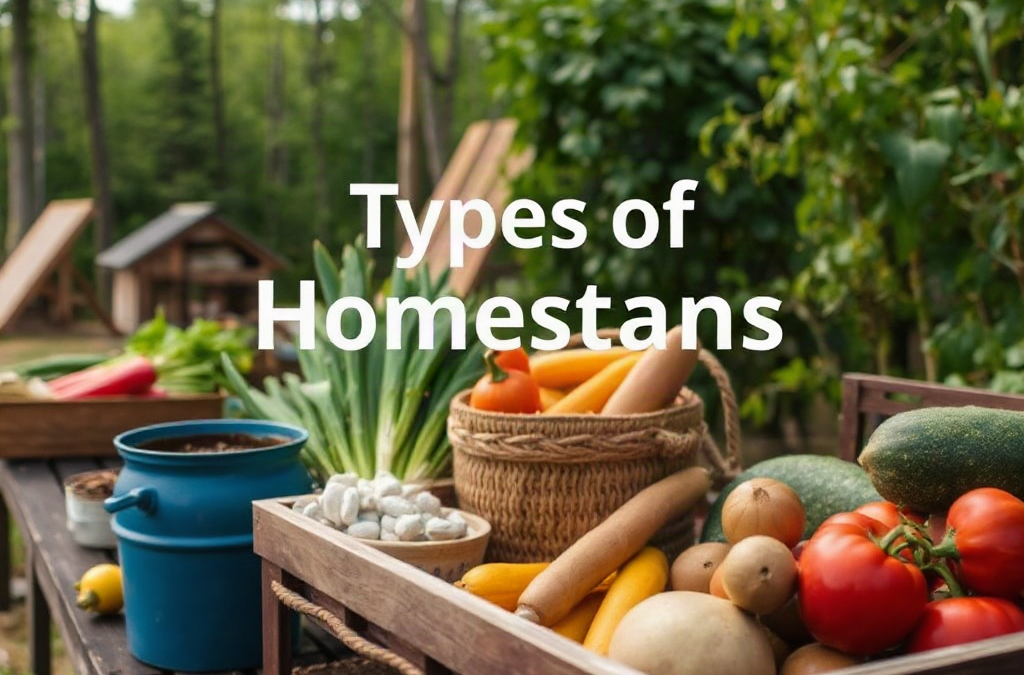
Types of homesteading should be matched to available resources by choosing food-production methods that fit the household’s usable space, reliable water, weekly labor, budget, climate, and local rules. Apartments and small lots favor containers, herbs, sprouts, preservation, and compact composting, while larger parcels may support field crops, orchards, poultry, or grazing animals.
by Homesteading Lifestyle Editorial Team | Sep 9, 2026 | Homesteading
Free land programs for homesteading can reduce a parcel’s purchase price to zero, but eligibility usually depends on building a primary residence on schedule, meeting residency rules, and paying for utilities, permits, taxes, and construction yourself.

by Homesteading Lifestyle Editorial Team | Sep 9, 2026 | Homesteading
Successful South Dakota homesteading aligns weather, land, and livestock with a parcel’s water supply, forage capacity, shelter, and winter access. Producers must account for rapid temperature swings, wind exposure, summer drought, frozen water systems, and the cost of carrying animals through months when pasture contributes little feed.
by Homesteading Lifestyle Editorial Team | Sep 8, 2026 | Homesteading
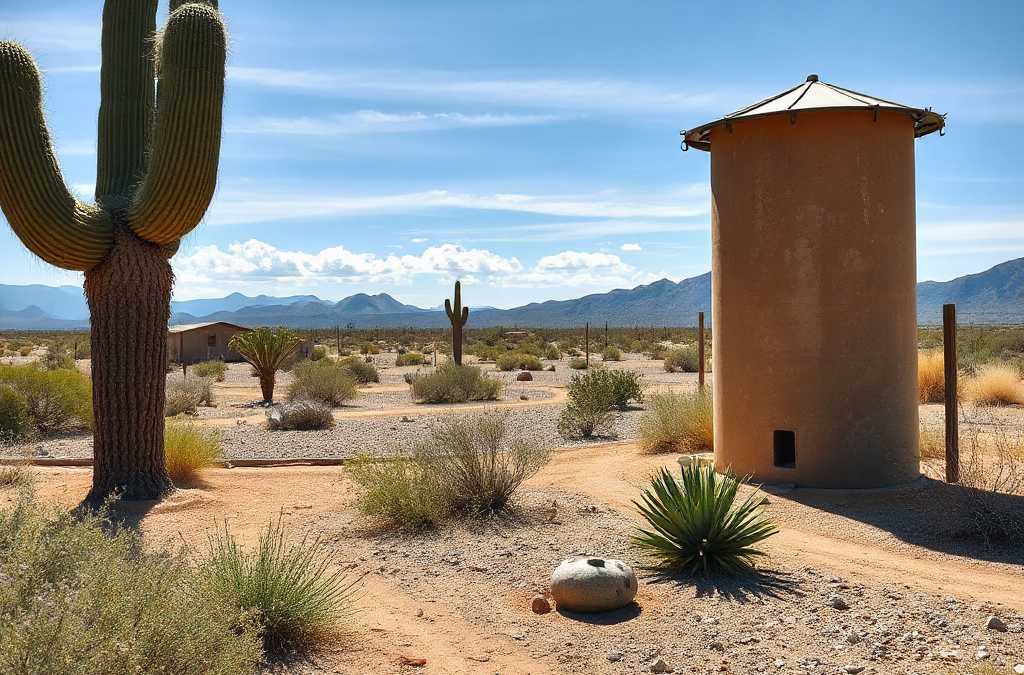
Arizona homesteading succeeds when water planning and heat management are designed as one operating system rather than treated as separate seasonal problems. Verify the parcel’s legal and physical water supply, calculate peak summer demand, provide covered storage, and reserve capacity for outages or delivery delays.