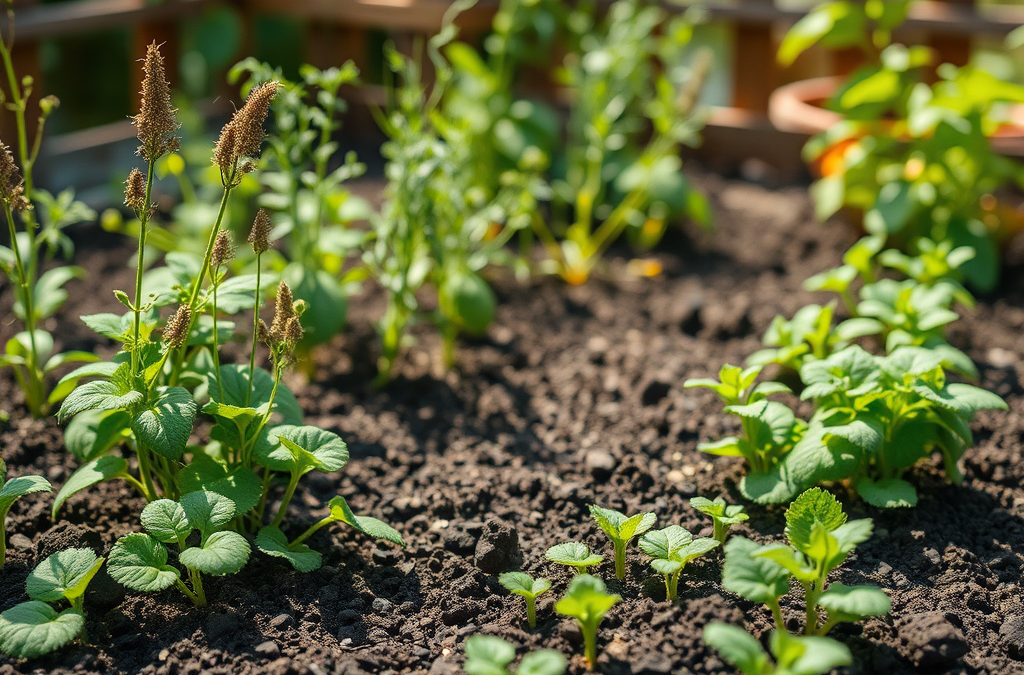
Building a sustainable garden ecosystem involves integrating practices that enhance soil health, promote biodiversity, and ensure resilience against pests and diseases. Key techniques include using organic compost to enrich soil, planting a diverse range of crops to attract beneficial insects, and implementing crop rotation to prevent nutrient depletion. These practices not only support plant growth but also create a balanced environment that minimizes the need for synthetic inputs and fosters natural pest control.
Understanding Soil Health
Soil health is the foundation of a sustainable garden ecosystem. Healthy soil is rich in organic matter, supports diverse microorganisms, and has good structure and drainage. To improve soil health, gardeners should focus on adding organic matter such as compost, which enhances soil fertility and microbial activity. Regular testing of soil pH and nutrient levels can guide amendments, ensuring that plants receive the necessary nutrients without over-fertilization.
One common mistake is relying solely on chemical fertilizers, which can degrade soil health over time. Instead, integrating cover crops and mulching can protect soil from erosion and improve moisture retention. For instance, legumes like clover can fix nitrogen in the soil, enriching it naturally. Building a sustainable garden ecosystem starts with nurturing the soil, making it a priority for any gardener.
Promoting Biodiversity in Your Garden
Biodiversity is crucial for a resilient garden ecosystem. By planting a variety of crops, you can create a balanced environment that attracts beneficial insects and pollinators. For example, intercropping different species can deter pests while improving yields. Incorporating native plants can also support local wildlife and enhance pollination.
Many gardeners overlook the importance of companion planting, where certain plants can benefit each other when grown together. For instance, planting basil alongside tomatoes can enhance flavor while repelling pests. A diverse garden not only boosts productivity but also helps to mitigate risks associated with pests and diseases, leading to a more stable growing environment.
Implementing Crop Rotation
Crop rotation is a vital practice for maintaining soil fertility and preventing pest buildup. By rotating crops each season, gardeners can disrupt pest life cycles and reduce the risk of soil nutrient depletion. For instance, following a heavy feeder like corn with legumes can replenish nitrogen levels in the soil.
A common misconception is that once a crop is planted, it can remain in the same spot year after year. This practice can lead to nutrient imbalances and increased susceptibility to pests. Instead, planning a crop rotation schedule based on plant families can enhance soil health and improve overall garden productivity. Be mindful of the timing and selection to maximize benefits from each rotation.

Natural Pest Control Techniques
Implementing natural pest control techniques is essential for a sustainable garden ecosystem. Rather than relying on synthetic pesticides, gardeners can use a variety of methods to manage pests effectively. Techniques such as introducing beneficial insects like ladybugs and lacewings can provide natural pest control, while setting up physical barriers like row covers can protect vulnerable crops.
Another effective strategy is to use plant-based repellents or homemade insecticidal soaps. These methods reduce chemical exposure and promote a healthier ecosystem. Keep an eye on pest populations and act quickly to prevent outbreaks, as early intervention can minimize damage and reduce the need for more drastic measures.