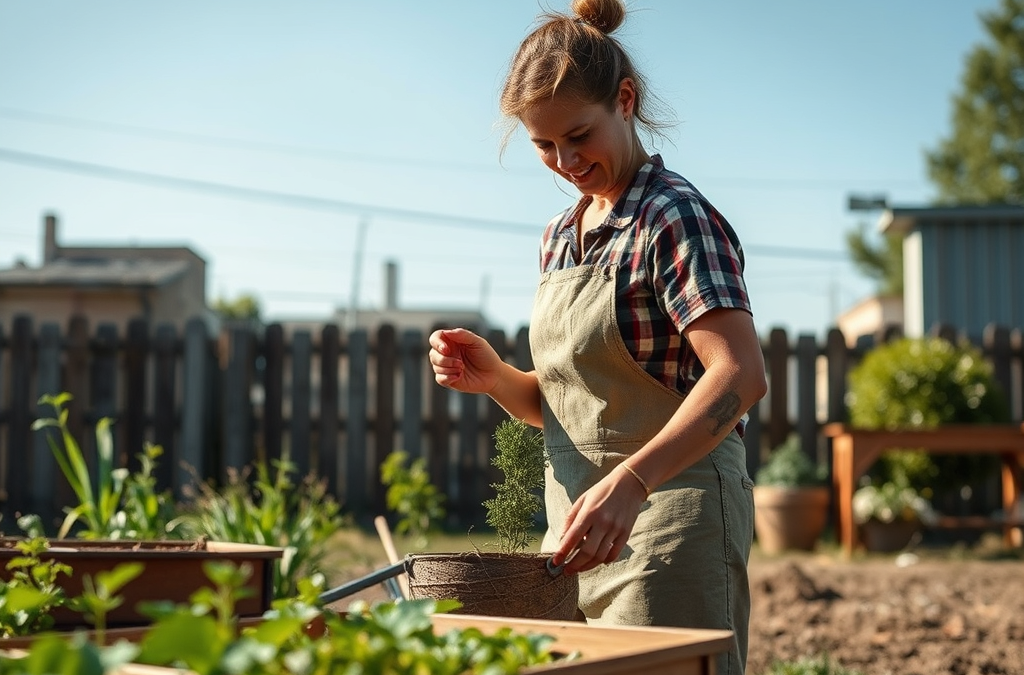
Adapting homesteading practices for urban settings involves utilizing limited space and resources to grow food and maintain sustainability. Urban homesteaders can implement container gardening, vertical farming, and community gardening to maximize yield. These methods not only provide fresh produce but also contribute to a sustainable lifestyle. It’s crucial to understand zoning laws and resource availability, as these can impact what practices are feasible.
Understanding Urban Homesteading
Urban homesteading is the practice of self-sufficiency in urban areas, where individuals or families cultivate their own food, raise animals, and engage in sustainable living practices. This approach is essential for maximizing limited space while promoting environmental sustainability. The key to successful urban homesteading lies in understanding local regulations, available resources, and the unique challenges posed by city life.
One common misconception about urban homesteading is that it requires a large yard or extensive property. In reality, many successful urban homesteaders thrive in small apartments or homes. The focus on utilizing available space creatively allows individuals to produce food and reduce their carbon footprint, making it a viable option for anyone interested in sustainable living.
Moreover, urban homesteading fosters community connections, as individuals often share tips, resources, and even produce with neighbors. This sense of community can enhance the overall experience and success of urban homesteading.
Container Gardening Techniques
Container gardening is a practical solution for urban dwellers looking to grow their own food. Utilizing pots, barrels, and other containers allows individuals to cultivate a variety of plants, from herbs to vegetables, without the need for traditional garden beds. This method is particularly effective in limited spaces, such as balconies, patios, or even windowsills.
To maximize the success of container gardening, consider the following techniques:
- Choose the Right Containers: Ensure that containers have proper drainage and are made from materials that retain moisture without overheating the roots.
- Select Suitable Plants: Opt for compact varieties of vegetables and herbs that thrive in smaller spaces, such as cherry tomatoes, peppers, and basil.
- Soil and Fertilization: Use high-quality potting soil and incorporate organic fertilizers to promote healthy growth.
Common mistakes in container gardening include overcrowding plants and neglecting to monitor water levels. Overcrowding can lead to stunted growth and poor yields, while inconsistent watering can stress plants and hinder their development. By paying attention to plant spacing and moisture levels, urban homesteaders can enjoy bountiful harvests.
Vertical Farming Solutions
Vertical farming is another innovative approach that allows urban homesteaders to maximize their growing space. By utilizing vertical structures, such as trellises, wall planters, or stacked gardening systems, individuals can significantly increase their production capabilities.
This method is particularly beneficial for growing climbing plants like peas and cucumbers, which naturally thrive in vertical spaces. Additionally, vertical farming can improve air circulation and sunlight exposure, leading to healthier plants.

When implementing vertical farming techniques, keep the following in mind:
- Support Structures: Ensure that vertical supports are sturdy enough to hold the weight of the plants and their fruit.
- Plant Selection: Choose plants that are well-suited for vertical growth and can be trained to climb.
- Watering and Maintenance: Regularly check for pests and diseases, as vertical setups can sometimes create microclimates that promote these issues.
A frequent oversight in vertical gardening is failing to provide adequate support for growing plants. Without proper support, plants may become damaged or fail to thrive. By planning ahead and utilizing appropriate materials, urban homesteaders can successfully implement vertical farming in their limited spaces.
Community Gardening and Collaboration
Community gardening provides an excellent opportunity for urban homesteaders to collaborate, share resources, and learn from one another. These gardens can transform vacant lots or underutilized spaces into vibrant areas for growing food and fostering community relationships.
Joining or creating a community garden involves several key steps:
- Research Local Opportunities: Identify existing community gardens in your area or explore options for starting a new one.
- Engage with Neighbors: Involve local residents and potential participants in the planning and maintenance of the garden.
- Establish Guidelines: Set clear rules and responsibilities to ensure the garden operates smoothly and meets the needs of all participants.
One common mistake in community gardening is failing to communicate effectively with other members. Clear communication is vital for sharing responsibilities, addressing concerns, and fostering a positive environment. Regular meetings and updates can help maintain engagement and enthusiasm among participants.