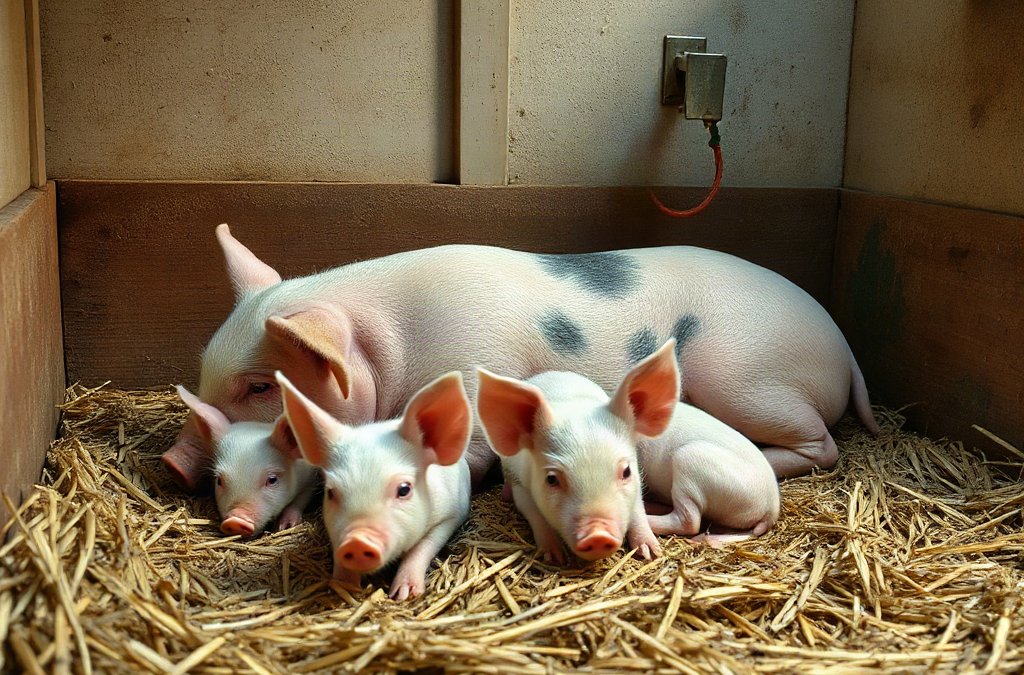
Breeding pigs for beginners involves tracking a sow’s roughly 21-day heat cycle, planning for a gestation of about 114 days, and preparing separate housing before farrowing. Breed only healthy, structurally sound animals at an appropriate weight and maturity, using a compatible boar or carefully timed artificial insemination. The breeding pen needs secure fencing and non-slip footing, while the farrowing area should be dry, draft-controlled, and designed to protect piglets from crushing. Major risks include failed conception, boar injuries, difficult birth, chilled piglets, disease transmission, and more offspring than the homestead can house or sell.
What you’ll learn
This guide covers the following practical points:
- Deciding Whether Your Homestead Is Ready to Breed Pigs — A breeding decision should begin with capacity, not the availability of a boar.
- Breeding Timing and Heat Detection — Accurate heat detection determines whether natural service or insemination has a reasonable chance of working.
- Housing for Mating and Gestation — Breeding housing must control pigs safely without creating tight corners where one animal can trap another.
- Farrowing Space and Piglet Protection — The farrowing area should be ready well before the estimated due date so the sow can settle without a last-minute move.
Deciding Whether Your Homestead Is Ready to Breed Pigs
A breeding decision should begin with capacity, not the availability of a boar. One litter can quickly turn a manageable pair of pigs into a substantial feed, fencing, bedding, and labor commitment. Before mating, identify where the sow will gestate, where she will farrow, where weaned pigs will live, and what will happen to animals that are not retained.
The sow and boar should be healthy, mobile, and free of obvious structural problems that could interfere with mating or carrying a litter. Poor feet, weak legs, excessive body condition, difficult temperament, and a history of reproductive trouble are reasons to pause. A livestock veterinarian can help assess breeding fitness, vaccination needs, parasite management, and disease risks appropriate to the herd and region.
Beginners often assume that breeding home-raised piglets will automatically cost less than buying feeder pigs. Keeping a boar year-round adds feed, specialized fencing, separate housing, and handling risk. For a homestead breeding only one or two sows, paying for outside boar service or using artificial insemination may avoid that overhead, although both require dependable heat detection and advance coordination.
A Pre-Breeding Capacity Check
- Space: Separate areas are available for the boar, gestating sow, farrowing sow, and growing pigs.
- Feed: The budget accounts for the sow’s needs and an entire litter through sale, processing, or retention.
- Labor: Someone can observe the sow frequently near farrowing and respond to emergencies.
- Disposition: Buyers, processing appointments, or long-term housing are arranged before breeding.
- Veterinary access: A veterinarian willing to advise on pigs has been identified before urgent help is needed.
Breeding Timing and Heat Detection
Accurate heat detection determines whether natural service or insemination has a reasonable chance of working. Mature female pigs commonly cycle about every three weeks, but individual timing varies. Record the first observed signs rather than relying on memory, especially when managing more than one female.
Possible signs include a swollen or reddened vulva, increased vocalization, restlessness, mounting other pigs, reduced interest in feed, and greater attention to a nearby boar. The most useful practical sign is the standing response: a female in standing heat becomes rigid and accepts firm pressure across her back, particularly when she can see, smell, or hear a boar. Restlessness alone is not enough to confirm breeding readiness.
| Planning Point | Typical Timing | Practical Use |
|---|---|---|
| Estrous cycle | About 21 days | Predict the next observation window after a missed breeding |
| Standing heat | Often lasts roughly 1–3 days | Coordinate boar exposure or insemination while the female stands |
| Gestation | About 114 days | Estimate farrowing and prepare housing well beforehand |
These ranges are planning estimates rather than guarantees. Age, health, season, stress, body condition, and individual variation can change what the keeper observes. Check the female at least morning and evening during the expected window, document behavior, and follow the timing instructions supplied by the semen provider or veterinarian if using artificial insemination.
With natural service, supervise introductions in a secure area that is large enough for movement but free of obstacles and slick flooring. Do not force an unwilling female to remain with a boar. A failed introduction can injure either animal, and simply seeing a mount does not prove conception. Watch for a return to heat about three weeks later and seek veterinary guidance when confirmation matters.
Housing for Mating and Gestation
Breeding housing must control pigs safely without creating tight corners where one animal can trap another. Strong perimeter fencing, reliable gates, non-slip footing, shade, clean water, and weather protection are baseline requirements. Boars are powerful and may test weak panels or lift poorly secured gates, so fencing that contains growing pigs may not safely contain a mature breeding male.
A dedicated introduction pen is safer than turning a boar into unfamiliar pasture and hoping mating occurs. Remove feeders, protruding hardware, loose wire, and other objects that could cause injuries during mounting. Provide an escape route for handlers that does not require entering the animals’ path. Children and inexperienced visitors should not participate in boar handling.
During gestation, the sow needs enough room to move comfortably and lie down on a dry surface. Monitor her gait, appetite, skin condition, manure, and body condition rather than making abrupt feed changes based only on pregnancy. Excess fat may make movement and farrowing management harder, while inadequate nutrition can leave the sow poorly prepared to nurse. A veterinarian or swine nutrition professional can help match the ration to the sow’s size, stage, and environment.
Do not house unfamiliar pigs together without considering aggression and quarantine. Newly acquired breeding animals may introduce infection even when they appear healthy. A separate arrival area, dedicated equipment, clean footwear, and a herd-specific health plan reduce avoidable exposure. Quarantine length and testing should be set with a veterinarian because local disease pressures and animal origins differ.
Farrowing Space and Piglet Protection
The farrowing area should be ready well before the estimated due date so the sow can settle without a last-minute move. It needs dry bedding or suitable flooring, ventilation without direct drafts, dependable water, safe access for observation, and a protected piglet zone. Piglets lose heat rapidly, while the sow is more comfortable at a cooler temperature, so the housing must create two usable microclimates rather than heating the entire enclosure indiscriminately.

A creep area gives piglets a warm place outside the sow’s lying space. Rails, sloped barriers, or a carefully designed farrowing setup may reduce crushing exposure, but no layout removes the need for observation. Heat lamps require secure mounting, protected electrical cords, clearance from bedding, and frequent checks because fire and burn hazards are serious concerns. Safer livestock-rated heating equipment may be preferable where practical.
Move the sow early enough to acclimate, then watch for changes such as nesting behavior, udder development, reduced appetite, and restlessness. These signs can help focus observation, but they do not predict an exact delivery hour. Keep the veterinarian’s contact information, clean towels, lighting, record sheet, and any veterinarian-approved supplies close to the pen.
A common mistake is intervening aggressively because labor appears slow. Untrained internal examination or pulling can injure the sow and piglets or introduce contamination. Call a veterinarian when the sow shows intense straining without producing a piglet, appears exhausted or acutely ill, develops abnormal discharge, or when the keeper is uncertain whether delivery is progressing safely.
Breeding Risks and Warning Signs
Reproductive risk extends from the first animal introduction through weaning. During mating, size mismatch, aggression, poor footing, and handler position can cause injury. During gestation, disease, heat stress, poor nutrition, or loss of body condition may affect the sow. Around birth, difficult labor, piglet chilling, crushing, inadequate nursing, and sow illness demand prompt recognition.
Behavior and routine observations often reveal trouble before a dramatic emergency occurs. A sow that stops eating, cannot rise normally, breathes abnormally, bleeds heavily, seems disoriented, or fails to care for piglets warrants urgent veterinary contact. Piglets that remain scattered away from the sow, pile tightly under heat, cry continuously, feel cool, appear weak, or fail to nurse need immediate assessment of temperature, access to the udder, and maternal behavior.
Keep a written breeding and farrowing record with heat dates, service dates, boar or semen identity, expected due date, actual birth date, litter outcome, medications given under veterinary direction, and complications. Records distinguish a one-time problem from a repeated pattern. For example, repeated returns to heat may point to timing, fertility, or health issues, while repeated crushing losses may indicate a housing or maternal-behavior problem.
The weakest assumption is that every live piglet represents a successful outcome. Success includes a healthy sow, viable piglets, safe handling, manageable feed costs, suitable housing after weaning, and a lawful, humane destination for each animal. If those pieces are uncertain, delaying breeding is usually the lower-risk decision.
Frequently Asked Questions
How long is a pig pregnant?
Pig gestation is typically about 114 days, although actual farrowing can occur somewhat earlier or later. Record the service date and prepare the farrowing area ahead of the estimated date.
How can I tell when a sow or gilt is in heat?
Look for restlessness, vulva changes, mounting behavior, boar interest, and especially a firm standing response when pressure is applied across the back. Check twice daily during the expected cycle window.
Should a beginner keep a boar?
Usually only when several planned breedings justify the feed, secure housing, and handling demands. Outside boar service or artificial insemination may be more practical for one or two females.
When should the sow move into the farrowing pen?
Move her before the expected farrowing window, allowing time to become comfortable without disrupting active labor. Keep the pen clean, dry, draft-controlled, and ready for piglet warming.
What signs require a veterinarian during farrowing?
Seek prompt help for persistent hard straining without a piglet, heavy bleeding, collapse, severe weakness, abnormal discharge, obvious distress, or uncertainty about stalled labor. Avoid internal intervention unless trained and directed.
Conclusion
Successful pig breeding rests on disciplined observation and capacity planning. Confirm that the female is a suitable breeding candidate, document her cycle, choose a safe breeding method, and finish the farrowing area before the due window. Secure boar housing, piglet heat management, disease precautions, and veterinary access deserve priority over convenience. If the homestead cannot safely accommodate an entire litter through weaning and beyond, postpone mating or buy feeder pigs instead.