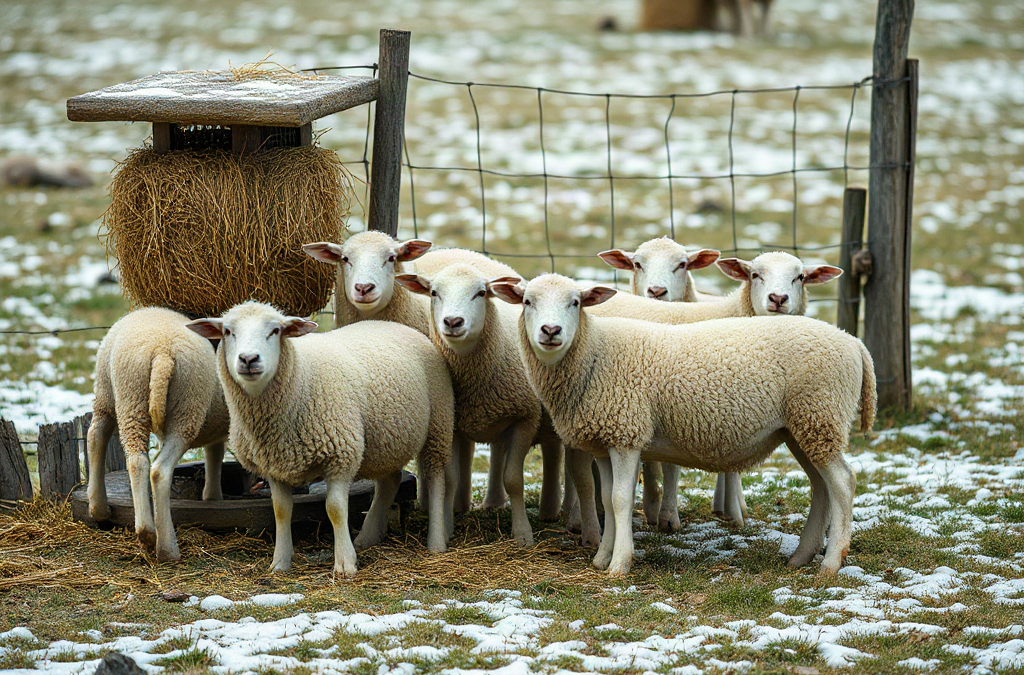
Keeping sheep for beginners through seasonal care demands means matching pasture, feed, shelter, and health checks to the flock’s changing needs throughout the year. Spring usually brings rapid grass growth, lambing decisions, and rising parasite exposure; summer calls for reliable water, shade, and pasture management. Autumn is the time to assess body condition, secure winter forage, and prepare breeding animals, while winter increases the importance of dry bedding, wind protection, and unfrozen water. Beginners should prioritize secure fencing, daily observation, accurate feed planning, and a working relationship with a livestock veterinarian rather than expanding the flock too quickly.
What you’ll learn
This guide covers the following practical points:
- Prepare the Land, Facilities, and Flock — A manageable first flock is one that fits the property during its least productive season, not during the spring grass flush.
- Spring: Lambing, Pasture, and Parasites — Spring combines abundant forage with some of the flock’s highest labor and health demands.
- Summer: Water, Grazing, and Heat — Reliable water becomes the first summer priority because consumption changes with temperature, forage moisture, lactation, and animal size.
- Autumn: Breeding and Winter Planning — Autumn is the planning season that determines whether winter remains routine or becomes an expensive emergency.
Prepare the Land, Facilities, and Flock
A manageable first flock is one that fits the property during its least productive season, not during the spring grass flush. Winter forage storage, summer drought, muddy gateways, and limited quarantine space often determine how many sheep a homestead can support. Stocking capacity varies with rainfall, soil, forage species, management intensity, and the amount of hay the owner is prepared to buy, so a universal sheep-per-acre figure is unreliable.
Secure perimeter fencing comes before purchasing animals. Woven wire is commonly used around boundaries, while properly designed electric fencing can divide grazing areas. Check for gaps at gates, low spots, loose wire, and places where a sheep could put its head through and become trapped. A small handling area is equally valuable. Routine jobs such as inspecting feet, checking body condition, administering veterinarian-directed treatments, and separating an unwell animal become difficult when every sheep must be chased across a field.
Sheep need a dry place protected from prevailing wind, but an enclosed, poorly ventilated building can trap moisture and stale air. Shelter design should favor dry footing, fresh air above animal level, clean bedding, and enough space to prevent crowding. Feeders should keep hay off wet or manure-contaminated ground, and water containers must be stable and easy to clean.
Choose animals suited to the intended system. A beginner focused on fiber may accept different shearing and nutrition demands than someone raising market lambs or maintaining a few grazing animals. Ask for flock health history, age, breeding status, foot condition, and recent management records. New arrivals should be kept apart initially while their condition and health plan are reviewed with a livestock veterinarian. Buying inexpensive sheep of uncertain background often transfers hidden health, fencing, or handling problems to the new owner.
Spring: Lambing, Pasture, and Parasites
Spring combines abundant forage with some of the flock’s highest labor and health demands. Pasture growth may accelerate quickly, yet wet soil is easily damaged by trampling. Turning sheep onto saturated ground can create bare areas around gates, feeders, and water points that remain troublesome long after the field dries.
Lambing adds a separate layer of responsibility. The University of Wisconsin–Madison Division of Extension notes that most sheep are seasonal breeders, commonly producing lambs in winter or spring, although timing varies by breed. Beginners should know expected lambing dates, prepare clean pens and supplies, and arrange veterinary guidance before labor starts. A ewe that is isolated, straining without progress, unusually weak, or unable to care for a lamb needs prompt assessment rather than prolonged trial-and-error intervention.
Fresh grass does not automatically satisfy every nutritional need. Sudden pasture changes can disrupt digestion, and lactating ewes may need a ration based on forage quality, body condition, litter size, and veterinary or livestock-nutrition guidance. Sheep also require a mineral product formulated specifically for them. Products intended for other livestock may contain copper concentrations that are inappropriate for sheep, so labels and species directions matter.
Internal parasite exposure often rises as weather warms and grazing intensifies. Avoid treating the entire flock on a casual calendar without professional guidance; unnecessary or poorly dosed deworming can contribute to treatment resistance. Use fecal testing, individual condition, local parasite patterns, and a veterinarian-developed plan to decide when intervention is justified. Rotating paddocks can reduce repeated grazing of heavily used areas, but rotation alone should not be assumed to remove parasite risk.
Summer: Water, Grazing, and Heat
Reliable water becomes the first summer priority because consumption changes with temperature, forage moisture, lactation, and animal size. Inspect water at least daily and more often during extreme heat or when using hoses, floats, pumps, or electric systems that can fail. A full trough is not necessarily a clean one; algae, manure, drowned rodents, and sediment can make an apparently adequate supply unsuitable.
Summer grazing should preserve enough leaf area for plants to recover. Leaving sheep in one paddock until every desirable plant is cropped short weakens preferred forage and encourages animals to graze closer to manure, where parasite exposure may be greater. Move the flock based on plant condition and recovery rather than a rigid calendar. During drought, recovery can take much longer, and purchased hay or a designated sacrifice area may protect the remaining pasture better than continued close grazing.
Shade, airflow, and low-stress handling reduce the burden of hot weather. Schedule shearing, sorting, hoof work, or transport for cooler periods when possible. Watch for persistent open-mouth breathing, weakness, poor coordination, or an animal separating from the group; these signs warrant immediate cooling measures and veterinary advice. Sheep that appear comfortable should be resting or grazing normally rather than crowding water, panting continuously, or refusing to move.
Fly problems, soiled wool, and foot trouble may also increase in warm, wet conditions. Examine animals closely instead of evaluating the flock only from a gate. A sheep lagging behind may be affected by lameness, parasites, heat, injury, or another illness, and those causes require different responses. The common mistake is treating the visible sign without checking the animal’s feet, eyelids, fleece, appetite, manure, and temperature with professional guidance where needed.
Autumn: Breeding and Winter Planning
Autumn is the planning season that determines whether winter remains routine or becomes an expensive emergency. Estimate stored forage needs before pasture growth stops, then allow a margin for spoilage, severe weather, and a longer feeding period than expected. New Mexico State University’s sheep production guidance emphasizes the interaction of climate, roughage, and labor in seasonal management; hay availability alone does not show whether the feeding system is workable.
Assess body condition by handling sheep rather than judging through wool. Long fleece can conceal both weight loss and excessive condition. Thin animals may need better forage, separate feeding, dental assessment, parasite evaluation, or investigation for illness. Increasing grain without identifying the cause can create digestive risk while leaving the underlying problem unresolved. Any ration change should be gradual and suited to the animals’ class and stage of production.

If breeding is planned, record the dates the ram joins and leaves the ewes. A defined breeding window narrows the lambing period and makes staffing, shelter preparation, and nutritional management more predictable. Examine breeding animals before turnout and discuss vaccinations, parasite control, feet, and reproductive concerns with a veterinarian. Keeping a ram year-round also requires strong fencing and safe handling practices; even a familiar ram should not be treated as harmless.
Inspect roofs, drainage, lights, gates, feeders, and water systems before freezing weather. Place hay where it remains accessible without driving across soft ground every day. Arrange a backup water method and identify where a sick sheep could be kept dry and observed. Waiting for the first storm to repair a gate or locate suitable hay usually means paying more while working under worse conditions.
Winter: Forage, Shelter, and Observation
Winter management centers on forage, liquid water, dry bedding, and protection from wind-driven precipitation. Cold-tolerant sheep with adequate fleece can cope with low temperatures better than they cope with wet wool, drafts at resting height, or inadequate feed. Shelter should block severe weather without becoming damp and airless.
Hay quality matters as much as the number of bales. Mold, heavy dust, weeds, and weather damage reduce usefulness and may pose health concerns. Store forage off the ground and under cover, and use a feeder that limits trampling and contamination. Nutritional needs differ among maintenance animals, growing lambs, late-gestation ewes, and lactating ewes, so one ration may not suit the whole flock. Forage testing and locally informed ration advice are more dependable than judging hay by color alone.
| Winter check | What to look for | Response |
|---|---|---|
| Water | Ice, leaks, contamination, or poor access | Restore clean liquid water and check the system again later |
| Feed intake | Sheep pushed away or hay left because it is spoiled | Add feeder access and inspect forage quality |
| Body condition | Loss hidden beneath fleece | Handle animals regularly and investigate decline |
| Bedding | Wet resting areas or strong ammonia odor | Remove wet material and improve drainage or ventilation |
| Behavior | Isolation, hunched posture, lameness, or poor appetite | Separate for examination and seek veterinary advice promptly |
Frozen water is a frequent operational failure. Heated equipment must be installed and protected according to its instructions, with cords inaccessible to livestock. Manual hauling can serve a small flock, but only if labor and backup containers are realistic during storms. Snow should not be assumed to replace drinking water.
A Year-Round Flock Checklist
Daily observation works best when it follows the same route and still allows close inspection of anything unusual. Start by counting the flock, then watch animals walk, eat, drink, and interact. Sheep often show subtle changes before severe illness becomes obvious, so a missing animal, reduced appetite, lagging gait, or unusual posture deserves attention.
- Count and observe: Confirm every sheep is present and behaving normally.
- Check water and feed: Verify access, cleanliness, supply, and feeder function.
- Inspect boundaries: Look for storm damage, sagging wire, open gates, and predator entry points.
- Examine concerns closely: Restrain an affected sheep safely rather than guessing from a distance.
- Record changes: Note treatments, breeding dates, lambing events, body condition, deaths, purchases, and pasture moves.
Weekly and seasonal tasks include handling animals for body-condition assessment, checking feet, cleaning troughs, reviewing forage inventory, and monitoring pasture recovery. Hoof trimming should respond to actual growth and foot condition rather than an inflexible schedule. Excessive trimming can injure sensitive tissue, while neglected feet can contribute to lameness.
A useful plan also defines escalation points. Contact a veterinarian for unexplained sudden illness, severe injury, breathing difficulty, neurologic signs, persistent inability to eat or drink, lambing complications, or multiple animals developing similar signs. Keep the veterinarian’s number, animal identification, recent treatment records, and a way to confine the affected sheep ready. The plan is working when body condition remains appropriate, forage recovers between grazing periods, water stays dependable, and emerging problems are noticed before several animals are affected.
Frequently Asked Questions
How many sheep should a beginner keep?
Begin with at least two because sheep are flock animals, but keep the group small enough for the property’s winter forage, fencing, shelter, and handling capacity. Local pasture productivity matters more than a universal sheep-per-acre estimate.
Do sheep need a barn during winter?
They need a dry, well-ventilated refuge from severe wind and precipitation, but that does not always require a fully enclosed barn. Avoid damp, crowded buildings with poor airflow.
Can sheep live on grass alone?
Good pasture may supply much of the ration during active growth, but sheep still need clean water and sheep-specific minerals. Stored forage or supplemental feeding is often necessary during winter, drought, late gestation, or lactation.
How often should sheep be checked?
Check the flock at least daily, including water, feed, fencing, movement, appetite, and general behavior. Lambing, extreme weather, illness, and unreliable water equipment require more frequent checks.
Should beginners deworm sheep on a fixed schedule?
Routine calendar treatment is not always appropriate and may contribute to drug resistance. Build a locally relevant parasite plan with a veterinarian using fecal testing, animal condition, grazing history, and correctly calculated treatment decisions.
Conclusion
A dependable sheep system is built around the difficult parts of the year: limited winter forage, summer heat, wet spring ground, breeding schedules, and periods of high parasite exposure. Prepare fencing, handling space, shelter, water, and veterinary support before animals arrive. Then use daily observation and written seasonal tasks to catch declining body condition, pasture damage, equipment failures, and illness early. Expand only after the current flock remains manageable through a complete annual cycle.

Additional Resources
Authoritative Sources
- Introduction to Raising Healthy Sheep (A3858-02) - Livestock
livestock.extension.wisc.eduFeb 26, 2026 — Most sheep are seasonal breeders, lambing in winter and spring, but some breeds are nonseasonal and can lamb in any month. Winter and early ... Read more
- Sheep Production and Management - Publications
pubs.nmsu.eduA seasonal-use program is a good way to market farm-produced roughages and keep labor busy in the off Climate. Temperature, wind velocity, and humidity can. ...