
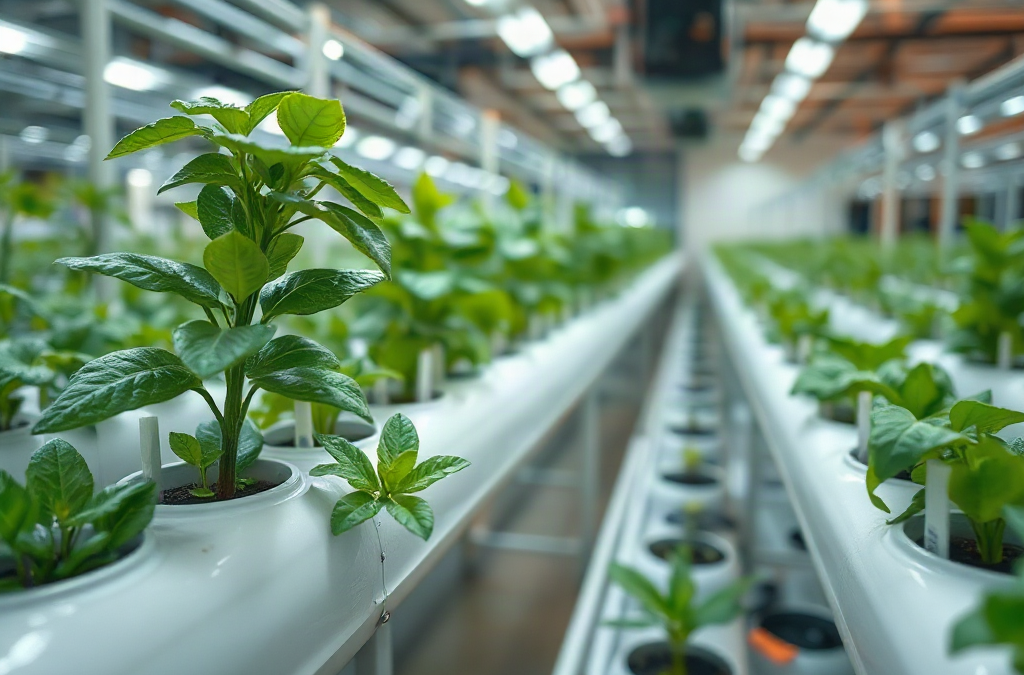
Hydroponic gardening for beginners works best with a simple system, a complete hydroponic nutrient formula, and routine checks of water level, pH, electrical conductivity, roots, and equipment. A deep-water culture setup suits leafy greens, while wick systems offer lower complexity and drip systems provide more control at a higher maintenance cost. Keep nutrient solution oxygenated, follow the fertilizer label rather than guessing concentrations, and adjust pH only after measuring it. Replace aging solution periodically, remove dead roots and leaves, block light from the reservoir, and treat wilting, discoloration, or slippery roots as signals to inspect conditions before adding more nutrients.
Which Hydroponic System Should a Beginner Choose?
The best first system is one whose water movement, root zone, and failure points remain easy to inspect. Hydroponics replaces soil with a managed root environment, so complexity matters more than novelty. A small deep-water culture system is often practical for lettuce, basil, and other compact greens because the roots hang directly in an aerated nutrient solution. The reservoir is visible, the parts are limited, and a beginner can see how water level and root condition affect growth.
In deep-water culture, an air pump sends bubbles through an air stone, helping replenish dissolved oxygen around submerged roots. The system is inexpensive to assemble, but it depends on continuous aeration. A failed pump, disconnected air line, or warm reservoir can leave roots short of oxygen. Keep the pump above the reservoir or use a check valve so water cannot siphon backward during a power interruption.
A wick system removes the pump by drawing solution from a reservoir into growing media. That simplicity makes it suitable for small herbs, but the wick may not deliver enough water and nutrients for a large, fast-growing tomato or cucumber. At the opposite end, drip irrigation can feed multiple containers and accommodate fruiting crops, yet emitters can clog and runoff must be collected or managed. Nutrient film technique is productive when correctly installed, but its shallow stream gives roots little protection if circulation stops or channels are uneven.
| System | Good First Use | Main Advantage | Main Constraint |
|---|---|---|---|
| Deep-water culture | Lettuce and basil | Simple, visible root zone | Requires reliable aeration |
| Wick system | Small herbs | No water pump | Limited delivery capacity |
| Drip system | Larger container crops | Adjustable feeding | More tubing and clog points |
| Nutrient film technique | Rows of leafy greens | Efficient recirculation | Vulnerable to flow interruptions |
Choose the crop before choosing the hardware. A covered bucket with one lettuce plant is more forgiving than a crowded channel of mixed vegetables. Match the plant count to the reservoir volume, verify that the lid blocks light, and make sure every pump and connection can be reached without dismantling the garden. Beginners often buy a system around its maximum advertised capacity; leaving extra root and canopy space produces a setup that is easier to monitor and clean.
How Do Hydroponic Nutrients Feed Plants?
Hydroponic nutrients must supply the mineral elements that soil would normally store and release. A complete formula generally includes macronutrients such as nitrogen, phosphorus, potassium, calcium, magnesium, and sulfur, plus smaller quantities of micronutrients. These elements need to remain dissolved and chemically available in the root zone. Ordinary garden fertilizer may lack necessary micronutrients or may contain ingredients designed to break down in soil, so it is not automatically suitable for a water-based system.
Use a product specifically labeled for hydroponic growing and follow its crop or growth-stage directions. Multi-part nutrients keep reactive ingredients separate while concentrated. Add each part to the reservoir water individually and mix thoroughly before adding the next. Pouring concentrates together can create precipitates—solid compounds that settle out instead of remaining available to plants. Never assume that doubling the label concentration will double growth; an overly concentrated solution makes it harder for roots to take up water and can injure leaf edges.
Electrical conductivity, usually displayed as EC, estimates the total concentration of dissolved ions. It does not identify individual nutrients, but it helps reveal whether a solution has become stronger or weaker. If plants drink water faster than they use minerals, reservoir volume falls while EC may rise. Topping up with full-strength nutrient in that situation compounds the concentration. Plain water is often the appropriate top-up until measurements and plant response show that more fertilizer is needed.
Seedlings and recently transplanted cuttings generally need a milder solution than mature, actively growing plants. Lettuce also has different demands from fruiting tomatoes. Follow the nutrient manufacturer’s crop-specific range when one is provided, then watch the direction of change rather than chasing a single reading. Steady new growth and clean roots suggest the feeding program is functioning. Burned margins, stalled growth, unusual darkening, or rapid EC drift call for checking dilution, water level, pH, and meter calibration before changing the recipe.
A common mistake is diagnosing every pale leaf as nutrient deficiency. Poor root oxygen, unsuitable pH, root damage, excessive heat, or natural aging of lower leaves can all reduce nutrient uptake. Adding fertilizer without identifying the constraint may worsen the problem. Record what was mixed, how much water was used, and the readings before and after adjustment. That simple log separates gradual crop demand from sudden equipment or measurement errors.
Managing Water, pH, and Oxygen
Water quality, pH, temperature, and oxygen interact, so they should be evaluated together rather than as isolated settings. The University of Nevada, Reno’s hydroponics guidance identifies water, nutrients, air, light, heat, and space as core plant requirements. In a recirculating garden, the reservoir connects several of those requirements: it carries nutrients, surrounds or irrigates roots, and influences how much oxygen the root zone can hold.
Start with water that does not have an extreme mineral load or obvious contamination. If tap water already produces a substantial EC reading, that background must be considered before nutrient is added. Water from a household softener may contain sodium and is generally a poor choice for repeated use. Well water can work, but its alkalinity may make pH difficult to adjust. Testing the source water before planting prevents confusion later.
Most hydroponic crops are commonly managed in a mildly acidic root zone, but the appropriate target depends on the crop, nutrient product, and growing method. Use the range supplied by the nutrient manufacturer or crop guidance rather than treating one decimal as universally correct. Measure after nutrients have been mixed because fertilizer changes pH. Make small adjustments with products intended for hydroponic use, circulate the solution, and test again. Repeatedly adding acid and base to force an exact number increases dissolved salts and creates avoidable swings.
Oxygen becomes especially important when roots remain submerged. Warm water holds less dissolved oxygen, and dense root masses consume oxygen while also restricting circulation. Keep the reservoir shaded from direct sun, provide continuous aeration in deep-water culture, and prevent roots from wrapping tightly around pumps or blocking returns. Healthy roots are commonly pale and firm, though nutrient products can stain them. A foul odor, slippery texture, browning combined with wilting, or roots that shed easily deserves immediate investigation.

Light entering the reservoir encourages algae. Algae competes for oxygen and nutrients, coats surfaces, and makes observations harder. Use opaque containers, cover unused planting holes, and seal gaps around tubing without preventing access. If algae appears, blocking the light source and cleaning the equipment addresses the cause more effectively than repeatedly treating the water. A beginner may focus on leaves because they are visible, but reservoir trends often provide earlier warning of trouble.
What Upkeep Does a Hydroponic Garden Need?
Hydroponic upkeep is a short inspection routine supported by periodic cleaning and solution replacement. Daily attention does not require rebuilding the system. Look for leaks, confirm that pumps are running, inspect leaves for wilting or pests, and check that roots are receiving water. A quiet air pump, reduced return flow, or tilted channel can affect plants before the foliage shows a clear symptom.
Reservoir level should be checked frequently because plants and evaporation remove water. Marking the normal fill line makes changes obvious. Measure pH and EC on a schedule appropriate to the reservoir size and crop demand; small reservoirs can change faster than large ones. Top up carefully, then record what was added. Meters also need clean probes and periodic calibration according to their manufacturer’s instructions. An uncalibrated meter encourages precise-looking but unreliable corrections.
A compact maintenance sequence keeps the work manageable:
- Inspect flow and aeration: Confirm that outlets, emitters, air stones, and return lines are operating normally.
- Observe plants and roots: Compare new growth, leaf posture, root color, and odor with previous checks.
- Measure before adjusting: Record water level, pH, and EC before adding water or nutrient.
- Remove decaying material: Take out fallen leaves and trim dead roots with clean tools where appropriate.
- Clean between crops: Empty debris, wash accessible surfaces, and sanitize components with a material-compatible method before replanting.
Do not rely indefinitely on topping up an old reservoir. Plants remove nutrients at different rates, while source-water minerals and adjustment products remain behind. A solution can therefore show an acceptable total EC while its nutrient balance has shifted. Periodic replacement resets that uncertainty. The appropriate interval varies with crop size, reservoir volume, temperature, and whether the system recirculates, so use the nutrient or system instructions and replace sooner when odor, residue, unstable readings, or plant stress persists.
Troubleshooting should change one meaningful variable at a time. If lettuce wilts despite a full reservoir, first verify water contact, flow, root condition, and temperature rather than immediately increasing fertilizer. If only one plant declines, inspect its net pot, roots, and local emitter; a system-wide nutrient problem usually affects more than one plant. Keep spare air tubing, an air stone, and critical pump parts available if the crop depends on continuous operation. The strongest sign of sound upkeep is not a perfectly fixed reading but stable trends, vigorous new growth, and equipment that performs consistently.
Frequently Asked Questions
What is the easiest hydroponic system for a beginner?
A small deep-water culture system is often the easiest powered option for leafy greens because its reservoir, air line, and roots are easy to inspect. A wick system is simpler mechanically but may not supply larger plants adequately.
Can regular garden fertilizer be used in hydroponics?
Not reliably. Soil fertilizers may omit micronutrients, depend on soil organisms, or use forms unsuitable for a reservoir. Choose a complete fertilizer labeled for hydroponic use and mix it according to its directions.
How often should hydroponic nutrient solution be changed?
The interval varies with reservoir size, crop demand, temperature, and system design. Follow the nutrient or equipment instructions, monitor pH and EC trends, and replace the solution sooner if readings become unstable or residue and odor develop.
Why are hydroponic plant roots turning brown?
Some nutrients stain roots, so color alone is not diagnostic. Brown roots accompanied by slime, odor, wilting, warmth, or poor aeration suggest that reservoir temperature, oxygen, circulation, and sanitation need prompt attention.
Which plants should a new hydroponic gardener grow first?
Lettuce, basil, and other compact leafy crops are manageable first choices because they grow quickly without the support, pollination, and heavier feeding often required by tomatoes, cucumbers, or peppers.
Conclusion
A dependable first hydroponic garden favors visibility and manageable crop demands over maximum capacity. Pair a small deep-water culture or wick setup with leafy greens, an opaque reservoir, and a nutrient product formulated for hydroponics. Establish baseline water, pH, and EC readings before problems appear, then record changes instead of adjusting by guesswork.
Daily checks should confirm water delivery, aeration, plant posture, and the absence of leaks. Periodic work should include meter care, removal of decaying material, solution replacement, and cleaning between crops. When growth falters, inspect roots and equipment before adding fertilizer; excess concentration cannot correct failed circulation or poor oxygen. Begin with one crop and one reservoir, learn its normal trends, and expand only after the maintenance routine remains predictable.

Additional Resources
Authoritative Sources
- Hydroponics - National Agricultural Library - USDA
nal.usda.govIt provides step-by-step instructions, with images, and lists the required tools and materials needed to build a basic hydroponic system.
- Hydroponics: A Brief Guide to Growing Food Without Soil
naes.unr.eduThe six things needed are light, air, water, nutrients, heat and space. Hydroponic growing can be done indoors or outdoors. In either setting, plants will need ... Read more

