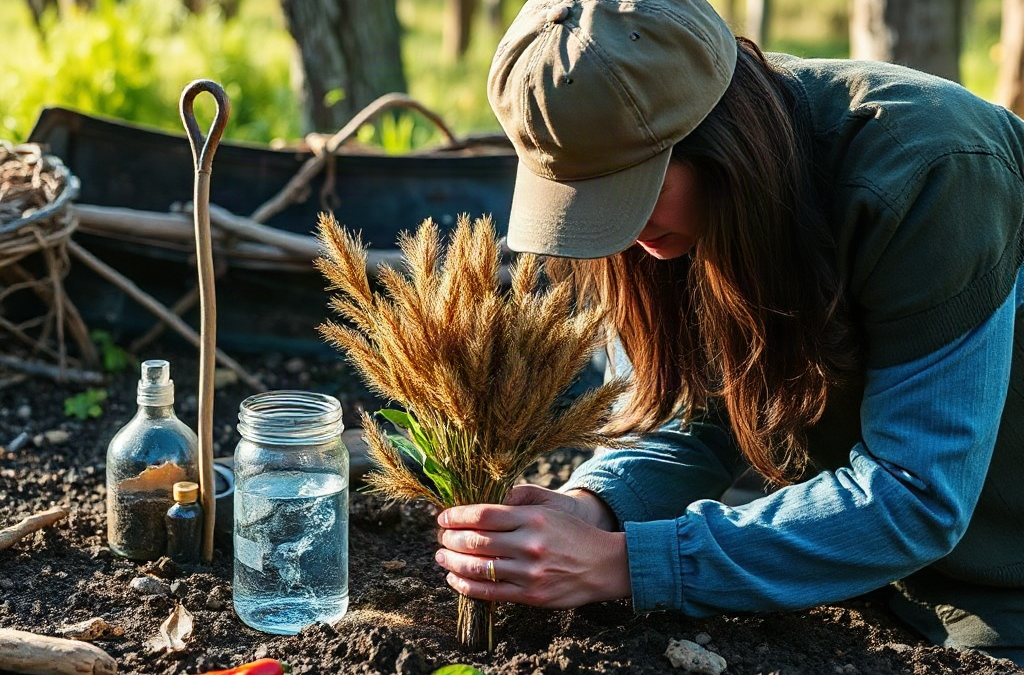
Dependable homesteading knowledge is built by matching reliable instruction with repeated, recorded practice in the conditions where the skills will actually be used. Begin with water, soil, food safety, tool handling, animal care, and local rules, then test each lesson through a small, low-risk project. Compare books and online advice with university extension materials, equipment manuals, experienced local producers, and direct observation. Keep dated records of inputs, weather, failures, and results so that seasonal evidence replaces memory and guesswork.
Define the Skills Your Homestead Actually Requires
A useful learning base begins with the systems present on a specific property, not with an imaginary list of everything a homesteader might someday do. A household using a private well, wood heat, laying hens, and a large vegetable plot faces different knowledge gaps from one keeping dairy goats on rented pasture. Listing actual systems reveals which gaps could interrupt water, food, shelter, animal welfare, or personal safety.
Separate each system into routine work, seasonal decisions, and urgent failures. A garden requires ordinary watering and weed control, but it also demands decisions about planting dates, soil amendments, crop rotation, harvest timing, and preservation. A well normally requires little daily attention, yet the household needs to know where the shutoff and electrical disconnect are, how to recognize pressure-system trouble, and where to obtain qualified service. This breakdown turns a broad subject into teachable tasks.
Risk should determine priority. Skills involving drinking water, chainsaws, tractors, electrical equipment, pressure canners, livestock medications, structural work, or fire carry consequences beyond a disappointing harvest. Reading may establish vocabulary and basic precautions, but it does not automatically establish competence. Manufacturer instructions, tested food-preservation processes, local codes, and hands-on instruction deserve greater weight where errors can cause injury, contamination, fire, or animal suffering.
Make a property-specific inventory with four columns: system, responsible person, current ability, and failure consequence. Mark each ability as untested, assisted, independent, or able to troubleshoot. Those labels are more informative than claiming to “know gardening” or “understand poultry.” Someone may independently collect eggs and refill feeders while remaining unprepared to identify heat stress, isolate a sick bird, or secure the flock after a predator breach.
A common mistake is choosing projects for their appeal rather than their dependency chain. Adding livestock before establishing fencing, water delivery, feed storage, manure handling, and backup care creates daily obligations before the supporting knowledge exists. The stronger approach is to study and test the support systems first. Readers developing homesteading knowledge: building a dependable learning base should therefore define success as reliable operation of their own systems, not familiarity with the greatest number of topics.
Judge Sources by Evidence, Context, and Accountability
Reliable homestead information identifies its limits and gives the reader a way to verify the recommendation. University extension publications are especially useful for regional crop, soil, pest, and livestock questions because they commonly connect technical information with local conditions. Government agencies provide official material on conservation programs, food handling, invasive species, and agricultural requirements. Equipment manuals remain the primary reference for operating limits, maintenance intervals, guards, and shutdown procedures on a particular machine.
Source type should match the question. A local grower may offer valuable observations about frost pockets or a cultivar that handles nearby soil, but personal success does not establish a universal planting rule. A video can demonstrate hand position during a grafting cut more clearly than text, yet an edited demonstration may omit sanitation, failed attempts, or long-term results. Books explain principles well but may predate new equipment, revised preservation instructions, or changes in local rules. No format is automatically sufficient.
Before acting, check who produced the information, what conditions it covers, when it was revised, and whether its claims can be compared with another qualified source. Advice about planting should name a crop, location or climate basis, soil conditions, and timing. Livestock guidance should distinguish species, age, production stage, weather, and housing. Preservation instructions should specify tested processing methods rather than relying on appearance, family tradition, or an unverified social post.
Conflicting recommendations often reflect different assumptions rather than dishonesty. Deep mulch may conserve moisture in a dry site while prolonging wet conditions and sheltering slugs in a cool, damp garden. Intensive rotational grazing can improve forage use when fencing, water, acreage, and daily labor support frequent moves; it can become impractical when paddock access or winter conditions prevent that schedule. Ask which conditions make each recommendation work before deciding that one source must be wrong.
Warning signs include absolute claims, missing safety steps, unnamed measurements, and recommendations built around selling one product. Another failure mode is collecting so many opinions that no decision is ever tested. For ordinary, reversible choices, compare two credible references and run a limited trial. For high-consequence work, seek formal instruction or a qualified professional. Dependability comes from using an appropriate standard of proof, not treating every homestead question as equally risky.
Turn Information Into Tested Homestead Skills
Knowledge becomes operational only when a person can perform a task safely, observe the result, and respond when conditions change. Reading about seed starting may explain temperature, moisture, light, and germination depth, but the practical skill includes noticing stretched seedlings, correcting overly wet media, hardening plants gradually, and deciding whether a weak batch should be restarted. A successful first attempt under ideal conditions is evidence of progress, not proof of mastery.
Use small trials that limit cost and consequences. Instead of planting an entire staple crop with an unfamiliar spacing method, compare two short rows and label them. Before depending on a new irrigation layout during summer heat, operate it long enough to check pressure, coverage, leaks, filter loading, and the time required to move or repair it. A new poultry feeder can be tested while the old feeder remains available, allowing the keeper to observe access, waste, weather protection, and competition within the flock.
A compact practice cycle keeps experiments useful:
- Name one outcome. Define what should change, such as reducing dry spots in a bed rather than vaguely “improving irrigation.”
- Record the starting conditions. Note weather, soil condition, equipment settings, animal numbers, materials, and time spent.
- Change one manageable element. Multiple simultaneous changes make the result difficult to interpret.
- Observe on a fixed schedule. Decide beforehand what will be checked and when.
- Keep, modify, or stop the method. Base that decision on recorded results and unacceptable risks.
Signs that learning is working include fewer omitted steps, consistent results across repeated attempts, earlier recognition of trouble, and the ability to explain why an adjustment is appropriate. Signs of failure include dependence on ideal weather, repeated emergency purchases, unexplained variation, skipped safety procedures, or a method that consumes more labor than the household can sustain.
Do not practice hazardous work merely to gain experience. Tree felling near structures, major electrical repairs, veterinary procedures, and pressure-canning improvisations can exceed the safe scope of self-teaching. Observation, supervised practice, certification where applicable, or paid professional work may be the correct learning route. A dependable base respects the boundary between a low-risk garden experiment and an error with irreversible consequences.
Keep Records That Preserve Seasonal Lessons
Homestead records convert scattered experiences into evidence that can guide the next season. Human memory tends to retain an unusually good harvest or a dramatic failure while losing ordinary details such as sowing dates, rainfall patterns, feed changes, repair parts, and labor hours. A dated notebook, spreadsheet, or binder makes those details searchable when the same decision returns months later.
Record only information tied to a future choice. For a garden, that may include bed location, variety, sowing and transplant dates, amendments, pest pressure, irrigation changes, harvest window, and a brief result. Livestock records may need identification, breeding or acquisition dates, feed changes, health observations, treatments directed by a veterinarian, production notes, and withdrawal information where relevant. Equipment logs should preserve model and serial numbers, fluids, filters, service dates, recurring symptoms, and part numbers.
Context gives measurements meaning. “Tomatoes failed” teaches little. “Transplants set out in the low bed were damaged after a cold, wet week, while the same variety on the upper bed continued growing” identifies drainage and cold exposure as factors worth investigating. It does not prove a single cause, but it supports a better trial the following year. Photographs taken from the same location can document canopy growth, erosion, pasture recovery, fence damage, or recurring standing water.
Simple records usually outperform elaborate systems that are abandoned. Keep a weather-resistant notebook near daily work, then transfer only important figures and decisions to a permanent seasonal record. Schedule short reviews after planting, harvest, winter preparation, and major repairs. During each review, identify what changed, what result followed, what remains uncertain, and what must be checked before repeating the method.

The common mistake is documenting activity without capturing decisions. A long diary may feel thorough while failing to show which seed lot was used or why a feeding change occurred. Templates for homesteading knowledge: building a dependable learning base should favor dates, quantities, conditions, outcomes, and next actions. Records are useful when they reduce avoidable repetition and expose patterns; they are not an end in themselves.
Build a Practical Learning Order
A workable learning order protects essential household functions before expanding production. Begin with emergency access and shutoffs: water, electricity, fuel, fire extinguishers, first-aid supplies, animal containment, and contact details for qualified help. Every capable household member should know what can be shut down safely and which situations require evacuation or professional assistance.
Next, learn routine care for systems already in service. That includes water inspection, food storage, sanitation, weather preparation, fence checks, animal observation, basic tool maintenance, and garden scheduling. Routine competence prevents small problems from becoming urgent ones. For example, noticing a leaking livestock water connection during a daily check is easier to manage than discovering an empty trough after the supply area has flooded.
Seasonal and production skills come after basic continuity. Select one or two projects that fit available time and infrastructure, such as establishing a modest kitchen garden and learning one tested preservation method. Expansion should follow demonstrated capacity, not the arrival of a new season or an attractive bargain. A larger flock, orchard, or market garden creates maintenance commitments that remain after the initial enthusiasm has passed.
Use this priority check before adding a subject to the learning schedule:
- Does a current safety or welfare risk require it?
- Will the skill be used within the coming season?
- Are the necessary space, tools, time, and backup help available?
- Can it be practiced at a small scale?
- Is there a reliable reference or competent instructor?
Reassess the order when circumstances change. Drought may move water storage and irrigation ahead of expansion plans. A new baby, injury, off-farm job, or aging caregiver may make labor reduction more valuable than higher output. Beginners benefit from narrow repetition; experienced homesteaders can pursue deeper troubleshooting and system integration, but they still need current references when entering an unfamiliar field.
Trying to become self-sufficient in every skill is neither necessary nor efficient. Maintain local contacts for veterinarians, well contractors, electricians, extension personnel, equipment repair shops, neighbors, and experienced producers. Knowing when and whom to ask is part of competence. A sound learning order produces a homestead that remains manageable under ordinary strain rather than one that works only when time, health, weather, and equipment all cooperate.
Frequently Asked Questions
What should a new homesteader study first?
Study the systems already affecting daily safety and continuity: drinking water, heating, electrical and fuel shutoffs, food storage, sanitation, tool safety, and any animals currently in your care. Add production projects only after their supporting infrastructure is understood.
Are online homesteading videos reliable?
Videos are useful for seeing a physical process, but quality varies. Compare instructions with extension publications, official manuals, tested preservation guidance, or local professional advice, especially when a task involves machinery, food safety, structures, or animal health.
How can I learn homesteading without owning land?
Practice container growing, cooking from stored staples, basic repairs, recordkeeping, tool maintenance, composting where permitted, and tested food preservation. Community gardens, volunteer farm opportunities, workshops, and extension programs can provide supervised experience.
How do I know whether a homestead method works?
Define a measurable result, record starting conditions, test the method on a limited scale, and repeat it when possible. A method is more credible when results remain acceptable under realistic weather, labor, cost, and maintenance constraints.
When should I hire a professional instead of learning by trial and error?
Use qualified help when errors could cause electrocution, fire, structural failure, serious injury, contaminated food or water, or animal suffering. Professional work can still be educational if you document the diagnosis, maintenance requirements, and warning signs.
Conclusion
A strong homesteading education grows from deliberate priorities rather than unlimited information gathering. Map the systems already on the property, place safety and daily continuity first, and match each question with a source suited to its consequences. Practice new methods on a scale where failure remains affordable, then preserve the conditions and results in records that will still make sense next season.
Choose one current knowledge gap and define the task precisely: what must be done, what could go wrong, and what evidence would show competence. Locate a credible reference, arrange supervision if the risk warrants it, and schedule a limited trial. Review the outcome before adding another project. That sequence creates practical capability while preventing attractive new enterprises from outrunning water, infrastructure, labor, or judgment.