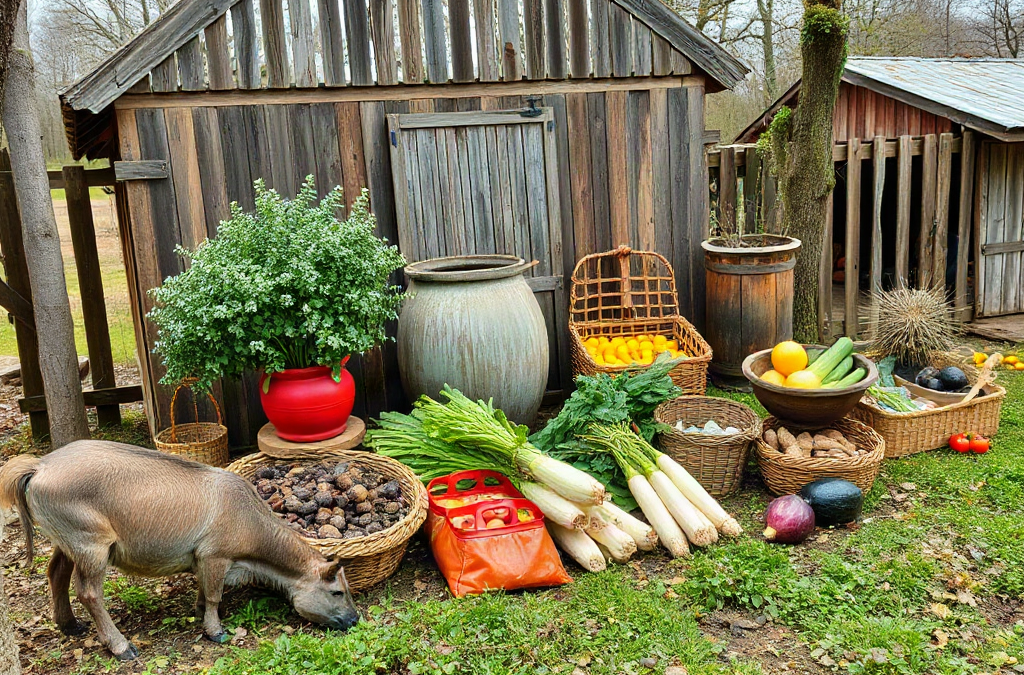
Monthly homestead routines and seasonal planning work best when each month has a short list of timed priorities for crops, animals, food storage, repairs, and records. Match tasks to local frost dates, weather patterns, daylight, and the condition of your soil, tools, buildings, and stored food rather than relying on a generic calendar. Review supplies before busy seasons, schedule maintenance before equipment is urgently needed, and reserve weekly time for recurring chores. A flexible plan prevents planting too early, buying supplies at peak prices, overlooking repairs, and creating more preserved food than your household can use. Recheck the calendar monthly because weather, workload, and harvest timing can shift the next set of decisions.
Build a Monthly Homestead Calendar Around Real Constraints
A workable homestead calendar begins with local conditions, available time, and the jobs that cannot be postponed. A January task list for a cold inland property may emphasize frozen water lines, stored-feed checks, seed ordering, and indoor repairs, while the same month on a mild coastal site may include pruning, bed preparation, or direct sowing. The calendar should reflect the work your land and household actually demand, not an idealized rural schedule.
Divide responsibilities into three layers. Daily work includes feeding, watering, collecting eggs, checking gates, and observing animals or greenhouse conditions. Weekly work may include cleaning housing, turning compost, checking fencing, reviewing pantry inventory, and washing tools. Monthly work is better suited to decisions and inspections: testing stored seed, checking roof drainage, reviewing expenses, planning preservation, and comparing the next month’s workload with available labor.
Weather creates the largest scheduling uncertainty. Soil may remain too wet for machinery, a late frost can damage early flowers, or a heat wave can compress the harvest window. Use frost dates and climate information as planning references, then confirm conditions in the field. Soil that crumbles rather than smears is more workable than soil that is merely warm on the calendar. A flexible window is more useful than a single rigid planting date.
A practical monthly page can contain only five categories: recurring chores, seasonal work, purchases, maintenance, and decisions. For example, a March page might list starting seedlings, inspecting irrigation, cleaning poultry housing, ordering fencing supplies, and deciding which beds need compost. Keep high-consequence work at the top. A missed cosmetic repair is inconvenient; a failed water system during hot weather can threaten animals and crops.
Many planners fail by assigning every available day to projects. Leave open space for illness, muddy access, equipment breakdowns, and harvest surges. The goal of Monthly homestead routines and seasonal planning is not to fill a calendar but to expose dependencies, such as repairing a hose before transplanting or clearing freezer space before a large harvest.
Match Seasonal Work to Crops, Animals, and Food Storage
Seasonal planning becomes reliable when biological timing and household capacity are considered together. Plants respond to temperature, daylight, moisture, and soil conditions; animals require steady care regardless of weather; preserved food consumes jars, freezer space, labels, and time. Scheduling one area without checking the others can create a bottleneck.
For crops, work backward from the likely harvest period. If a crop needs several weeks indoors before transplanting, count backward from the local planting window and add a little flexibility for slow growth. Prepare beds, irrigation, supports, and row cover before plants are ready to move. A common mistake is to start seeds because the packet suggests a date while postponing the infrastructure needed to keep seedlings healthy.
Harvest planning should include what happens after picking. Greens may need immediate washing and cooling, tomatoes may need sorting, and root crops may require a dry curing area before storage. During a heavy harvest week, reduce optional construction or clearing projects. A smaller garden harvested on time can provide more usable food than a larger garden that overwhelms the household.
Animal routines need a different kind of seasonal adjustment. Cold weather may require protecting water access and checking bedding; hot weather increases the value of shade, ventilation, and frequent observation. Before adding livestock, calculate the daily care burden during travel, illness, and extreme weather. A species that fits the property in spring may become difficult when feed deliveries, frozen water, or birthing supervision coincide with other work.
Food storage also belongs on the calendar. Review older jars, dehydrated foods, frozen items, and root-cellar produce before adding new batches. Labeling the date and contents makes rotation possible, while a quick inventory prevents buying supplies already on hand. The monthly routine should connect harvest forecasts with realistic household use: preserve more of foods eaten regularly and less of foods chosen only because they are abundant.
For each season, identify a primary output and a limiting resource. Spring may prioritize planting but be limited by labor; summer may prioritize watering and harvest but be limited by heat; autumn may prioritize storage but be limited by freezer or shelf space; winter may prioritize maintenance but be limited by daylight and access. That comparison makes tradeoffs visible before they become emergencies.
Use Monthly Reviews to Control Supplies, Repairs, and Records
A monthly review turns routine observations into decisions. Set aside a fixed period near the end or beginning of each month to inspect supplies, equipment, structures, animals, crops, and records. The review should produce a short action list, not a diary that takes longer to maintain than the work itself.
Begin with consumables. Count feed, bedding, fuel, seeds, canning lids, soil amendments, first-aid supplies, and cleaning materials. Note the rate at which each item is used and the time needed to obtain a replacement. A homestead with limited storage may favor smaller, more frequent purchases, while a remote property may justify holding more of certain essentials. Buying in bulk is not automatically economical if products expire, attract pests, or tie up cash needed for repairs.
Inspect equipment before its next period of heavy use. Look for cracked hoses, dull blades, loose fasteners, worn belts, leaking containers, damaged extension cords, and rust on hand tools. Record the part required and whether the repair can be completed safely at home. Do not treat a temporary workaround as a repair when it could create a fire, animal-safety, or food-contamination risk.
Structures deserve attention because small water problems often become expensive seasonal failures. Check gutters, roof edges, doors, latches, fencing, drainage paths, and areas where soil touches wood. After a major storm, compare the property with earlier notes or photographs. A recurring wet spot may indicate a grading or drainage issue rather than a need for more gravel.

Keep records that answer future questions. Track planting dates, varieties, harvest quantities, animal treatments or breeding observations where applicable, feed purchases, preservation batches, and notable weather. The purpose is not perfect measurement; it is better judgment next year. If a variety repeatedly ripens during the busiest preservation week, another variety or a smaller planting may fit the household better.
A compact review checklist can follow this order:
- What must be done before the next weather or biological window?
- What supply will run out first, and how long does replacement take?
- What failed, nearly failed, or required repeated attention?
- Which project can be delayed without affecting safety, food, animals, or infrastructure?
This approach is more useful than copying a detailed schedule from another climate. A borrowed calendar may mention pruning or planting at the wrong time, whereas your own records reveal the actual sequence of events on your property.
Create a Routine That Survives Busy Seasons
Durable routines separate non-negotiable care from flexible projects. Feeding, watering, animal checks, food-safety tasks, and urgent repairs belong in the minimum daily system. Construction, expansion, decorative improvements, and experimental plantings belong on a secondary list that can wait when harvest or weather demands attention.
Use a weekly reset to protect the monthly plan. Review the next seven days, check the weather, identify harvests approaching their usable stage, and assign work according to energy and daylight. Pair tasks when that saves effort: inspect fencing while walking livestock, check irrigation while harvesting, or clean tools immediately after use. Avoid pairing jobs that compete for the same scarce resource, such as scheduling several projects that require the only vehicle or a single outdoor workday.
A beginner may need a small garden, a modest preservation target, and a written chore list visible to everyone. A more experienced household may manage succession planting, multiple animal groups, and longer storage systems, but complexity still needs limits. Add one system at a time and observe whether it improves output or merely adds maintenance. Expansion that depends on perfect weather and uninterrupted labor is fragile by design.
Have a bad-weather version of the routine. Indoor tasks might include sorting seeds, sharpening tools, labeling stored food, reviewing expenses, cleaning small equipment, or updating the next month’s purchase list. Have a reduced-care plan for illness or travel as well. A trusted helper should be able to find feed, water, gates, emergency contacts, and basic instructions without decoding a complicated notebook.
Signs that the routine is working include fewer urgent purchases, supplies being rotated before they deteriorate, repairs being completed before peak demand, and a manageable harvest workload. Signs of failure include repeatedly postponing essential care, losing track of stored food, starting more projects than can be finished, or depending on memory for animal and maintenance tasks.
Review the system at the end of each season. Remove tasks that produced little value, move recurring failures earlier in the calendar, and adjust planting or preservation quantities to actual use. A realistic plan may look less ambitious than an online homestead schedule, but it is more likely to protect food, animals, equipment, and household time.
Frequently Asked Questions
What should a homestead calendar include each month?
Include recurring chores, seasonal crop and livestock work, supply purchases, maintenance inspections, preservation tasks, and decisions that must be made before the next weather or harvest window.
How can I adapt a routine to my local climate?
Use local frost dates and weather patterns as starting points, then adjust after observing soil moisture, actual temperatures, crop development, and the timing of past harvests.
Should maintenance or production receive priority?
Protect safety, water, animal care, food storage, and essential equipment first. Delay optional production or construction when a neglected repair could interrupt those systems.
How much detail should monthly homestead records contain?
Record dates, quantities, varieties, supply use, repairs, weather issues, and notable successes or failures. The record should improve next season’s decisions without becoming a burdensome reporting project.
What is the best way to handle an overloaded harvest month?
Reduce optional projects, prepare storage supplies beforehand, harvest in order of perishability, and preserve quantities your household can process and use rather than trying to save everything.
Conclusion
A useful homestead year is built from manageable monthly decisions, not an oversized list of seasonal ambitions. Anchor the calendar to local weather, crop development, animal needs, storage capacity, and the labor your household can genuinely provide. Put water, safety, essential care, and time-sensitive harvests ahead of optional improvements. Use monthly reviews to catch supply shortages, infrastructure damage, and recurring workload problems while they remain inexpensive to correct. Keep records that reveal what actually happened on your property, then move successful timing and failed assumptions into the next season’s plan. The next practical step is to create one month of priorities, leave room for disruption, and review the results before adding more complexity.