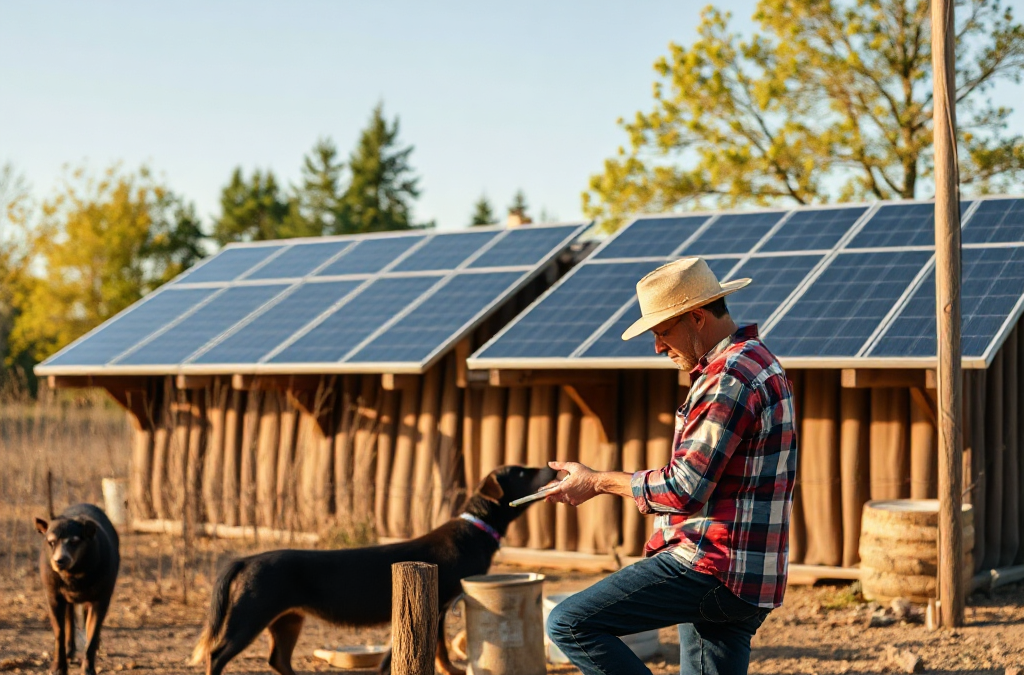
Exploring alternative energy options for homesteaders provides practical solutions to reduce reliance on conventional power sources. Key options include solar panels, wind turbines, and bioenergy systems. Each alternative has its benefits and limitations, such as installation costs, energy output, and local regulations. By evaluating these factors, homesteaders can make informed decisions that align with their energy needs and sustainability goals.
Understanding Solar Energy Systems
Solar energy systems are one of the most popular alternative energy options for homesteaders. They convert sunlight into electricity using photovoltaic (PV) panels. These systems can significantly reduce electricity bills and provide a sustainable energy source. It’s essential to consider factors such as location, roof orientation, and local climate when planning a solar installation. For instance, areas with higher sun exposure yield better results.
Common mistakes include underestimating energy needs or overestimating the efficiency of solar panels. A thorough energy audit can help determine the right system size and type. Additionally, exploring local incentives and rebates can make solar energy more affordable.
Harnessing Wind Power for Homesteads
Wind power is another viable alternative energy option for homesteaders, particularly in areas with consistent wind patterns. Small wind turbines can generate electricity for personal use, reducing reliance on the grid. The benefits of wind energy include low operating costs and minimal environmental impact once installed.
However, wind energy systems require careful site selection. Factors like wind speed, turbine height, and local zoning laws must be considered. A common misconception is that all areas can support wind turbines; this isn’t true. Conducting a wind resource assessment can provide insights into potential energy production and help avoid costly mistakes.
Exploring Bioenergy Solutions
Bioenergy is derived from organic materials, including agricultural waste, manure, and dedicated energy crops. Homesteaders can utilize bioenergy through systems that convert waste into usable energy, such as biogas digesters. This approach not only generates power but also helps manage waste efficiently.
One limitation of bioenergy is the need for a consistent feedstock supply, which can be challenging for some homesteaders. Additionally, while initial setup costs can be high, the long-term savings and environmental benefits often outweigh these costs. It’s crucial to evaluate local regulations and potential markets for bioenergy products to maximize the benefits.
Evaluating Energy Storage Options
Energy storage is vital for maximizing the benefits of alternative energy systems. Battery storage allows homesteaders to store excess energy generated during peak production times for use during low production periods. This capability enhances energy independence and reliability.
When choosing storage solutions, consider the type of battery technology, capacity, lifespan, and costs. Lithium-ion batteries are popular for their efficiency and longevity, but other options like lead-acid batteries can be more affordable. A common error is failing to size the storage system accurately, which can lead to insufficient power during high-demand periods.
Frequently Asked Questions
What are the main alternative energy sources for homesteaders?
The primary alternative energy sources for homesteaders include solar power, wind energy, and bioenergy, each offering unique benefits and considerations.
How much can solar panels save on energy bills?
Solar panels can significantly reduce energy bills by providing a substantial portion of a home’s electricity needs, with savings varying based on system size and local energy costs.
Is wind energy suitable for all locations?
No, wind energy is most effective in areas with consistent wind patterns. Conducting a wind resource assessment is crucial to determine suitability.
What are the benefits of using bioenergy?
Bioenergy can provide a sustainable energy source while managing waste effectively, contributing to energy independence and environmental sustainability.
What should I consider when choosing energy storage options?
Consider battery type, capacity, lifespan, and costs when selecting energy storage options to ensure they meet your energy needs effectively.
Conclusion
Exploring alternative energy options is essential for homesteaders aiming for sustainability and energy independence. By understanding the benefits and limitations of solar, wind, and bioenergy solutions, homesteaders can make informed decisions that align with their unique circumstances. Evaluating energy storage options is equally crucial for maximizing the efficiency of these systems. Prioritizing careful planning and research will lead to successful implementation and long-term benefits.