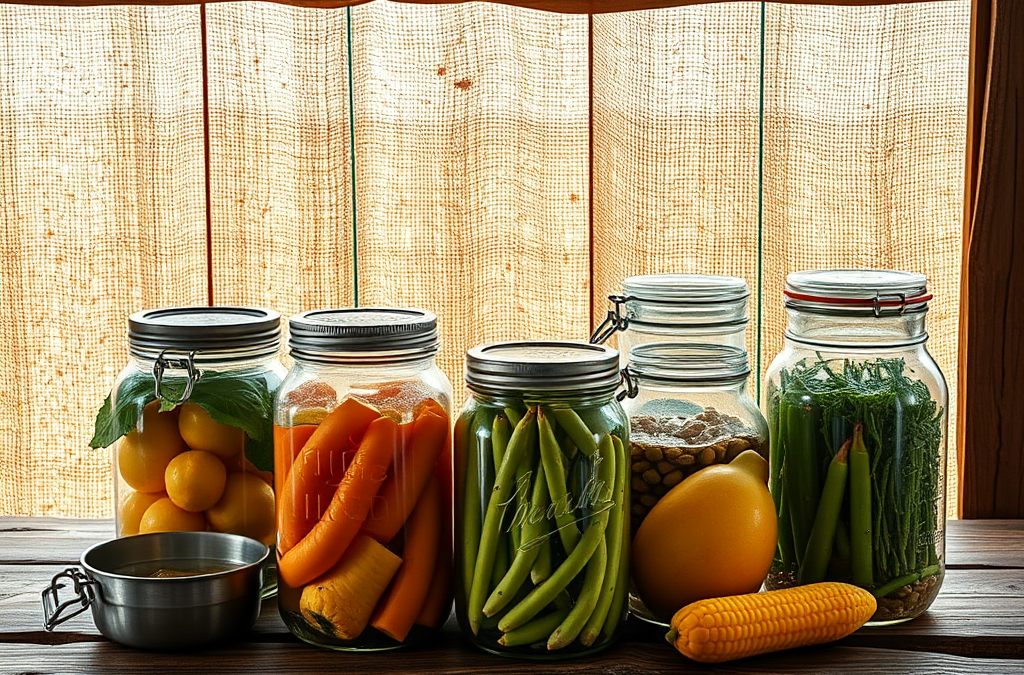
To create an efficient food preservation system, prioritize methods like canning, freezing, and dehydrating, and invest in suitable tools such as jars, vacuum sealers, and dehydrators. Common mistakes include improper sealing, neglecting food safety guidelines, and failing to label preserved items, which can lead to spoilage or waste. A well-structured system enhances food longevity, reduces waste, and ensures access to nutritious options year-round.
Understanding Food Preservation Methods
Food preservation is crucial for maintaining the quality and safety of food over time. The primary methods include canning, freezing, and dehydrating, each with distinct advantages and applications. Canning involves sealing food in airtight containers, which can last for years when done correctly. Freezing is ideal for maintaining texture and flavor, particularly for fruits and vegetables, while dehydrating removes moisture to inhibit bacterial growth. Choosing the right method depends on the type of food, storage space, and your consumption habits.
For instance, canning is excellent for fruits, vegetables, and meats, while freezing is more suitable for bulk items like berries or pre-prepared meals. Dehydrating is often used for herbs and snacks like jerky. Understanding these methods allows you to select the best approach for your food preservation system.
Essential Tools for Food Preservation
Having the right tools can significantly enhance your food preservation efforts. Essential tools include canning jars, lids, and a pressure canner for low-acid foods. For freezing, invest in vacuum sealers and freezer bags to prevent freezer burn. Dehydrators are crucial for drying fruits, vegetables, and herbs efficiently.
Additionally, a labeling system with markers or tags can help keep track of what you’ve preserved and when. This simple step prevents confusion and waste. Regularly check your supplies, ensuring everything is in good condition and ready for use. By equipping yourself with the right tools, you can streamline the food preservation process and reduce the likelihood of errors.
Common Mistakes to Avoid
While setting up a food preservation system, it’s easy to make mistakes that can compromise food quality and safety. One common error is improper sealing during canning, which can lead to spoilage. Always follow recommended guidelines for processing times and temperatures to ensure food safety.
Another frequent mistake is neglecting to label preserved items. Without labels, it’s challenging to track the age of your food, leading to waste. Additionally, many people overlook the importance of using high-quality ingredients; inferior produce can lead to poor results. By being aware of these pitfalls, you can make informed decisions that enhance the efficacy of your food preservation system.
Creating a Food Preservation Schedule
Establishing a food preservation schedule can help you manage your efforts efficiently. Start by assessing what foods you regularly consume and when they are in season. This will guide your preservation activities throughout the year. For example, canning tomatoes in late summer ensures you have them available during the winter months.
Consider allocating specific days for different methods, such as a canning day, a freezing day, or a dehydrating day, depending on your harvest. Keeping a calendar can help you stay organized and ensure that you’re making the most of your food supply. This proactive approach not only maximizes your efforts but also leads to a more organized kitchen environment.

Frequently Asked Questions
What is the best method for preserving fruits?
Canning and freezing are the best methods, with freezing preserving the texture better, while canning allows for long-term storage.
How long can I store home-canned foods?
Home-canned foods can last for one to two years if stored in a cool, dark place, but always check for spoilage before consumption.
Can I reuse canning lids?
No, canning lids should not be reused as they may not seal properly, leading to spoilage.
What foods should not be frozen?
Foods with high water content, like lettuce or cucumbers, do not freeze well as they become mushy upon thawing.
Is it safe to can low-acid foods in a water bath?
No, low-acid foods should be canned using a pressure canner to prevent the risk of botulism.
Conclusion
Creating an efficient food preservation system is essential for maintaining food quality, reducing waste, and ensuring you have access to nutritious options year-round. By understanding the various methods available, investing in the right tools, and avoiding common mistakes, you can develop a system that works for your needs. Establishing a preservation schedule tailored to your consumption habits will further enhance your efficiency. Start today to enjoy the benefits of a well-organized food preservation strategy.