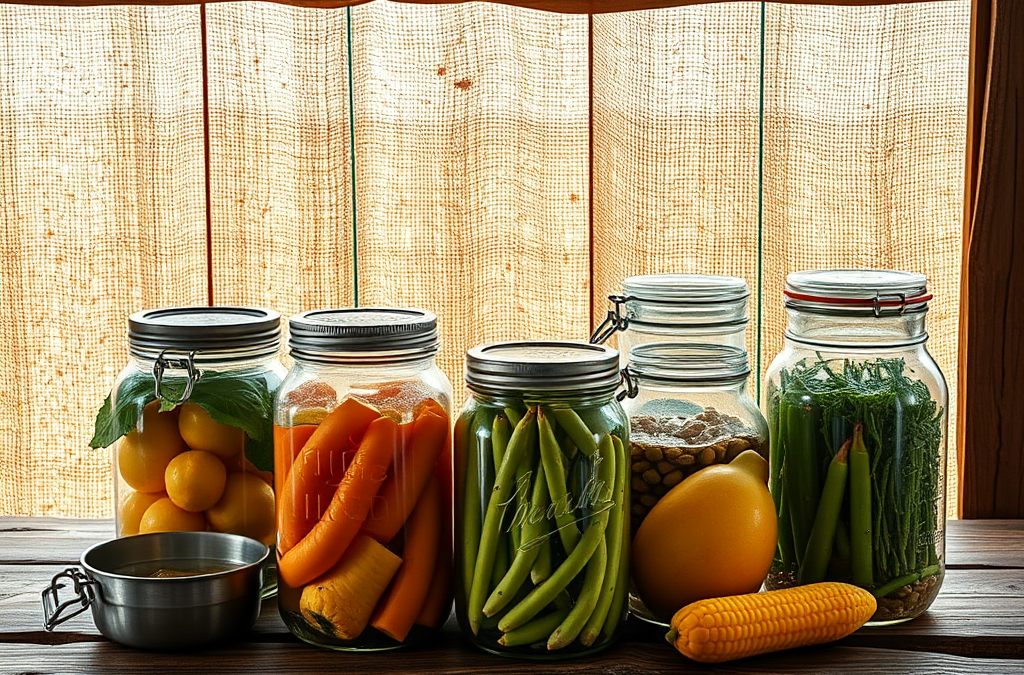
Incorporating art and creativity into homesteading can transform your living space and enhance your lifestyle through unique projects like garden art, handmade furniture, and creative gardening techniques. Engage in activities such as painting, pottery, or crafting to personalize your homestead while also fostering a deeper connection to your environment. This not only beautifies the space but also encourages self-expression and community engagement. Art can be functional too, like creating decorative compost bins or artistic planters, blending aesthetics with sustainability.
Artistic Gardening Techniques
Artistic gardening techniques blend aesthetics with functionality, allowing you to create visually appealing spaces while promoting biodiversity. One popular method is using color theory to select plants that complement each other, enhancing the visual harmony of your garden. For instance, pairing vibrant flowers with lush greenery can create striking contrasts that draw the eye. Additionally, consider incorporating artistic elements such as painted garden stakes or decorative trellises that not only support plants but also serve as focal points in your garden.
Another approach is to design themed garden areas, such as a butterfly garden featuring host plants that attract specific species. This not only adds beauty but also encourages a healthy ecosystem. Common mistakes include overcrowding plants, which can lead to competition for resources. Instead, spacing plants appropriately ensures each can thrive, contributing to the overall beauty of your homestead.
Creating Functional Art
Functional art merges creativity with utility, allowing you to craft items that serve a purpose while enhancing your homestead’s aesthetic. For example, consider building handmade furniture from reclaimed wood, which not only reduces waste but also adds a rustic charm to your living space. Projects such as benches, tables, or shelves can be customized to fit your style, making them unique to your homestead.
Additionally, you can create decorative yet functional items like birdhouses or compost bins. These projects not only beautify your property but also attract wildlife and promote sustainability. A common pitfall is underestimating the time and effort required for such projects; planning and allocating time for completion can prevent frustration and ensure quality results.
Community Art Projects
Engaging in community art projects can foster connections with neighbors while beautifying shared spaces. Organizing a mural painting event or a community garden installation can bring people together, promoting collaboration and creativity. This not only enhances the visual appeal of the area but also strengthens community bonds.
Consider hosting workshops where local artists teach skills such as pottery or painting, allowing participants to express themselves while learning. Mistakes often arise from a lack of organization; establishing a clear plan, including supplies needed and timelines, can help ensure the success of these initiatives.

Incorporating Art into Daily Life
Integrating art into your daily life can significantly enhance your homesteading experience. Simple practices like keeping a journal for sketches or ideas can stimulate creativity and provide a record of your journey. Additionally, setting aside time each week for creative pursuits, such as crafting or painting, can help maintain balance and satisfaction.
Art can also be incorporated into seasonal celebrations or family traditions, such as creating handmade decorations for holidays. This not only personalizes your celebrations but also encourages family involvement in creative processes. A common mistake is neglecting to prioritize these activities; scheduling them into your routine can ensure they become a fulfilling part of your lifestyle.