Creating a homestead that supports wellness involves integrating sustainable practices, promoting mental health, and enhancing physical well-being. Start by designing spaces that encourage relaxation and community, such as gardens and gathering areas. Incorporate nutritious food sources, like vegetable gardens and fruit trees, to improve diet quality. Additionally, prioritize activities that foster physical health, like regular gardening or animal care, while ensuring your homestead reflects your values and lifestyle for long-term satisfaction.
Designing Spaces for Mental and Physical Wellness
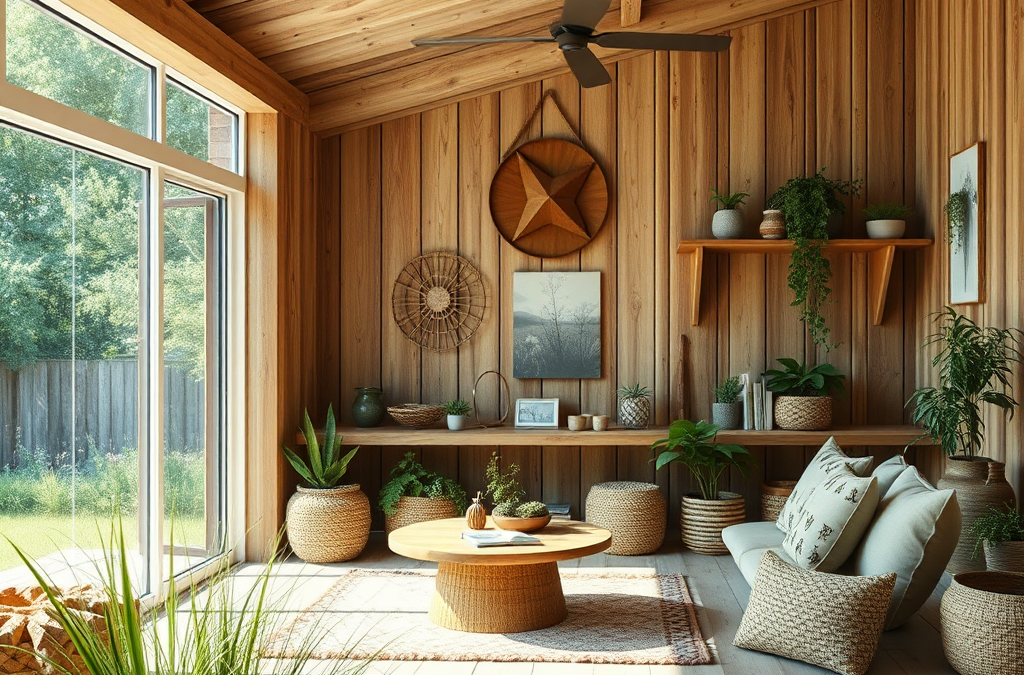
To create a homestead that supports wellness, the first step is to design spaces that enhance both mental and physical well-being. This can include gardens, meditation areas, and communal spaces that invite relaxation and social interaction. The layout of your homestead should facilitate ease of movement and access to nature, which has been shown to reduce stress and improve mental clarity.
Consider incorporating native plants and flowers that attract beneficial insects and pollinators, fostering a vibrant ecosystem. For instance, a sensory garden can engage the senses and provide a peaceful retreat. Furthermore, creating distinct areas for relaxation, like a shaded hammock or a cozy reading nook, can encourage downtime and reflection, essential components of wellness.
Another important aspect is the use of natural materials in construction and landscaping. Materials like wood and stone not only blend with the environment but also contribute to a calming atmosphere. Avoiding synthetic materials can minimize exposure to harmful chemicals, promoting a healthier living space.
Integrating Sustainable Food Sources
Food is a cornerstone of wellness, and integrating sustainable food sources into your homestead can significantly enhance your overall health. Start by establishing a vegetable garden that provides fresh, organic produce. Choose crops that are well-suited to your climate and soil conditions, and consider companion planting to enhance growth and reduce pests.
In addition to vegetables, fruit trees and berry bushes can offer nutritious snacks and desserts. For instance, planting apple or pear trees not only provides food but also contributes to the beauty of your landscape. Consider preserving surplus harvests through canning or drying to ensure a continuous supply of nutritious food year-round.
Incorporating livestock, such as chickens or goats, can also support wellness. Chickens provide fresh eggs, and their manure can enrich your garden soil, while goats can help manage weeds and provide milk. However, it’s essential to consider the space and resources you have available, as well as local regulations regarding livestock.
Creating Community Connections
A homestead that supports wellness is also one that fosters community connections. Building relationships with neighbors can create a support network that enhances both mental and physical health. Consider hosting community events, such as potlucks or gardening workshops, to bring people together.
Participating in local farmers’ markets or sharing surplus produce with neighbors can also strengthen community ties. This not only promotes a sense of belonging but also encourages the exchange of knowledge and resources, which can lead to improved practices and greater sustainability.
Moreover, joining local homesteading groups or online forums can provide additional support and inspiration. Sharing experiences and tips with others who share your interests can enhance your knowledge and motivation, making the homesteading journey more enjoyable.
Prioritizing Physical Activity
Physical activity is crucial for overall wellness, and a homestead offers numerous opportunities for staying active. Gardening itself is a great form of exercise, providing both aerobic activity and strength training. Regularly tending to plants, digging, and lifting can keep you physically fit while also fostering a sense of accomplishment.

Additionally, consider incorporating walking paths or trails on your property to encourage daily movement. Whether it’s a simple loop around the garden or a longer trek through wooded areas, having designated paths can motivate you to spend more time outdoors and engage with nature.
Engaging in seasonal activities, such as harvesting crops or preparing the land for winter, can also provide physical challenges that keep you active throughout the year. Remember to listen to your body and balance work with rest to avoid burnout.
Frequently Asked Questions
What are the key components of a wellness-focused homestead?
A wellness-focused homestead typically includes sustainable food sources, spaces for relaxation, opportunities for physical activity, and community connections.
How can I incorporate physical activity into my homesteading routine?
Incorporate physical activity by gardening, walking paths, and engaging in seasonal tasks like harvesting and planting.
What plants are best for a wellness garden?
Choose native plants, herbs, and vegetables that thrive in your area and promote biodiversity to enhance your garden’s wellness benefits.
How can community involvement enhance my homesteading experience?
Community involvement fosters support networks, knowledge sharing, and social interactions that enhance mental well-being and provide practical resources.
What are some common mistakes to avoid in homesteading?
Avoid overcommitting resources, neglecting self-care, and failing to plan for seasonal changes that can impact productivity and wellness.