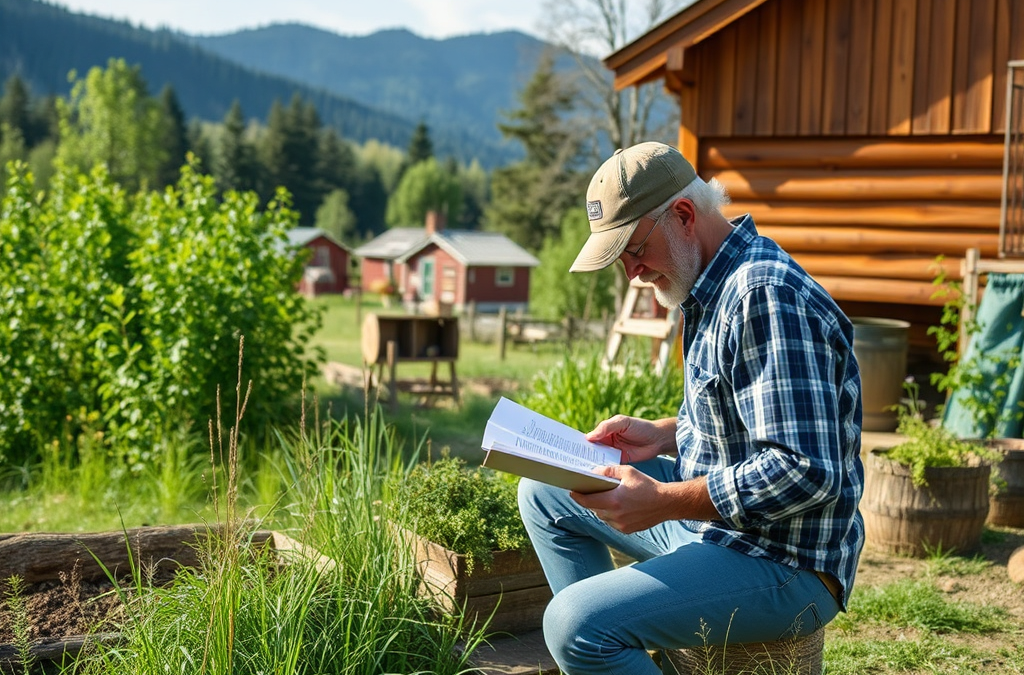
To successfully navigate local regulations for homesteading, begin by thoroughly researching zoning laws, building codes, and agricultural policies relevant to your area. Contact your local planning department to clarify what activities are permitted on your property, as this can prevent potential fines or the need to dismantle structures. A common mistake is neglecting to obtain necessary permits for construction or agricultural operations. Engaging with community organizations can also provide insights into compliance and best practices, ensuring your homesteading project aligns with local regulations.
Understanding Zoning Laws
Zoning laws play a crucial role in determining how land can be used, and understanding them is essential for anyone looking to establish a homestead. These regulations dictate what types of structures can be built, how land can be utilized, and the density of development allowed. For instance, some areas may be zoned strictly for residential use, while others might permit agricultural activities.
To navigate zoning laws effectively, start by contacting your local planning department. They can provide specific information regarding your property and its designated zoning classification. Additionally, many municipalities offer online resources detailing zoning ordinances and maps. It’s vital to ensure that your intended homesteading activities, such as raising livestock or operating a market garden, are permissible under local zoning laws.
Failure to comply with zoning regulations can lead to enforcement actions, including fines or orders to dismantle unpermitted structures. It’s advisable to apply for any necessary variances or special use permits early in the planning process, which can allow for exceptions to standard zoning rules.
Building Codes and Permits
Building codes establish the minimum standards for construction and safety, ensuring that structures are safe and suitable for occupancy. When planning any construction related to your homestead, such as barns, greenhouses, or residential buildings, you must obtain the appropriate permits. Each locality has its own building code requirements, so it’s essential to familiarize yourself with them before beginning any work.
To get started, consult your local building department to understand the permitting process, which typically involves submitting plans for review and potentially undergoing inspections during construction. Engaging a licensed contractor familiar with local codes can also streamline this process and help avoid common pitfalls.
One common mistake is starting construction without obtaining the necessary permits, which can result in fines and the need to alter or demolish completed work. Always verify that your plans comply with local codes and obtain all required permits before breaking ground.
Agricultural Regulations
For homesteaders looking to incorporate agricultural activities, understanding agricultural regulations is key. These regulations can include requirements for livestock management, crop production, pesticide use, and food safety standards. Depending on your location, you may need to register your farm, obtain licenses, or follow specific guidelines for agricultural practices.
Check with your state’s agricultural department or extension office to learn about the specific regulations that apply to your homestead. They can provide resources on best practices, compliance requirements, and any necessary certifications for selling produce or livestock.
A common oversight is not being aware of the regulations surrounding livestock, such as the number of animals permitted or specific care standards. Ensure you have a clear understanding of these regulations to avoid fines and ensure the health of your animals.
Common Pitfalls in Compliance
Many homesteaders face challenges when navigating local regulations due to a lack of knowledge or misunderstanding of the requirements. One prevalent issue is failing to conduct thorough research before starting projects, leading to non-compliance with zoning laws and building codes.
Another common pitfall is neglecting to maintain proper records of permits, inspections, and communications with local authorities. Keeping organized documentation can be invaluable if questions arise about compliance or if you need to demonstrate adherence to regulations.

To mitigate these risks, consider developing a checklist for your homesteading plans that includes all necessary permits and regulations. Regularly reviewing this checklist can help ensure that you remain compliant as your homestead evolves.
For those interested in a deeper dive into the topic, consider exploring local government resources or agricultural extension offices that provide guidance on navigating local regulations for homesteading. Engaging with community forums can also yield practical advice from fellow homesteaders.
Frequently Asked Questions
What are the key zoning regulations I should know for homesteading?
Key zoning regulations include land use designations, restrictions on livestock, and building codes specific to your area. Researching these can prevent compliance issues.
How can I find out what permits I need for building on my homestead?
Contact your local building department for detailed information on necessary permits and the application process for construction projects.
What should I do if I receive a notice of violation?
If you receive a notice of violation, promptly contact the issuing authority to understand the issues and develop a plan for compliance.
What are the risks of not complying with local regulations?
Risks include fines, orders to cease operations, and potential legal action. Non-compliance can also jeopardize your homesteading goals.
Conclusion
Navigating local regulations for homesteading is essential for a successful and compliant homesteading experience. Understanding zoning laws, building codes, and agricultural regulations can help you avoid costly mistakes and ensure your projects are legally sound. Always prioritize thorough research and maintain clear communication with local authorities to keep your homesteading journey on track.