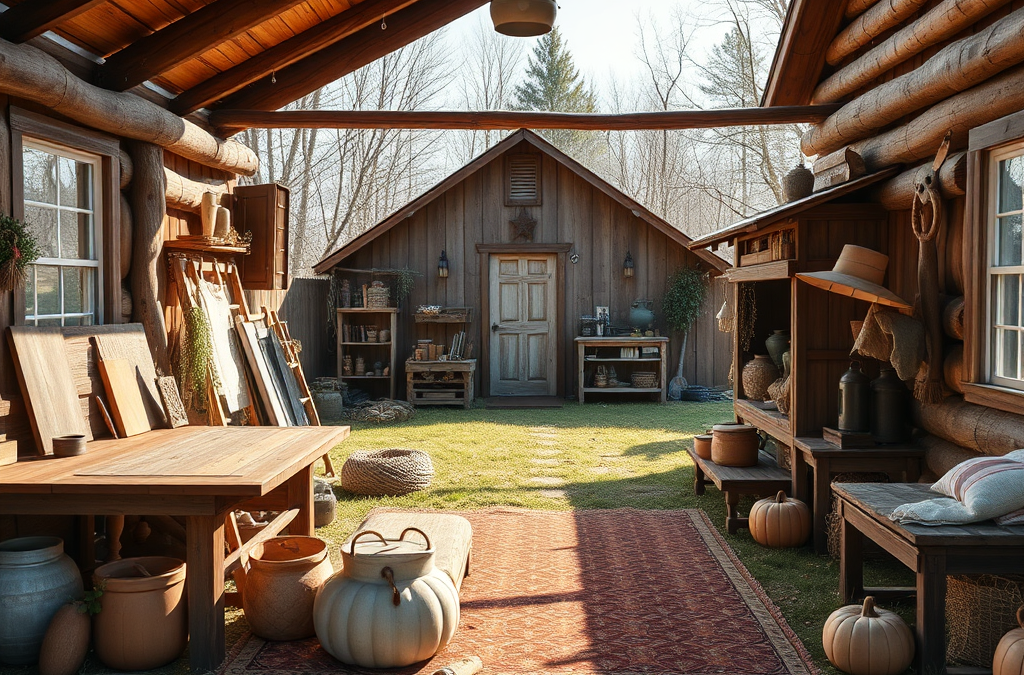
To create a homestead that reflects your lifestyle, begin by defining your personal vision of homesteading, whether it emphasizes self-sufficiency, organic gardening, or family gatherings. Assess your land’s unique characteristics, including soil quality and sunlight exposure, to determine what crops and livestock will thrive. Incorporate elements that resonate with your values, such as a vegetable garden or renewable energy sources, ensuring that your homestead is both functional and aesthetically pleasing. Avoid the common mistake of mimicking trends; instead, focus on what genuinely matters to you, allowing your homestead to be a true reflection of your lifestyle and aspirations.
Define Your Homesteading Vision
Your homestead should be a direct reflection of your values and lifestyle choices. Begin by defining what homesteading means to you. Is it about self-sufficiency, organic gardening, or creating a space for family gatherings? Take time to envision your ideal homestead, considering factors such as the activities you enjoy, the types of food you want to grow, and how you wish to interact with your environment. This vision will guide your decisions as you build and develop your homestead.
Many people make the mistake of following trends rather than their personal values. Reflect on what truly matters to you. For example, if you prioritize growing your own food, focus on establishing a productive garden rather than simply replicating popular designs. By aligning your homestead with your personal vision, you can create a space that feels authentically yours.
Assess Your Land and Resources
Once you have a clear vision, assess your land and resources to determine what is feasible. Analyze the soil quality, sunlight exposure, water sources, and climate conditions. Each of these factors will significantly affect what you can grow, how you can design your space, and the types of animals you can keep.
For instance, if your land has poor soil quality, you might need to consider raised beds or soil amendments. If you have a lot of sunlight, you can explore solar energy options. Understanding these limitations and possibilities allows you to make informed decisions that align with your lifestyle goals.
A common pitfall is underestimating resources. Be realistic about your time, energy, and financial investment. Creating a homestead is a long-term commitment, and having a clear understanding of your resources will help set realistic expectations.
Designing Functional Spaces
With your vision and resources in mind, the next step is to design functional spaces that enhance your daily life. Consider how different areas of your homestead will interact. A well-planned layout can improve efficiency and make daily tasks easier.
For example, place your vegetable garden near your kitchen for easy access, or design a composting area close to your garden to facilitate waste recycling. Additionally, think about how your homestead can accommodate family activities or community gatherings, such as a fire pit or outdoor dining area.
One common mistake is to focus solely on aesthetics without considering functionality. While it’s important for your homestead to look beautiful, it should also serve your needs. Make sure each area has a clear purpose and contributes to your overall lifestyle goals.
Sustainability Practices to Consider
Implementing sustainable practices is crucial for creating a homestead that reflects your lifestyle while minimizing your environmental impact. Start by exploring options like rainwater harvesting, composting, and organic gardening methods. These practices not only support sustainability but can also enhance your self-sufficiency.
Additionally, consider integrating renewable energy sources, such as solar panels or wind turbines, to reduce reliance on fossil fuels. These investments can be significant but often pay off in the long run through reduced utility costs and a smaller carbon footprint.
Be mindful of the common misconception that sustainability requires a large upfront investment. Many sustainable practices can be implemented gradually and adapted to fit your budget. Start small, with initiatives like a compost bin or a few raised garden beds, and expand as your skills and resources grow.

For more insights into creating a homestead that reflects your lifestyle, consider exploring resources from local agricultural extension offices, sustainable living blogs, and community workshops. Connecting with other homesteaders can also provide valuable knowledge and inspiration.
Frequently Asked Questions
What are the first steps to start a homestead?
Begin by defining your vision and assessing the land and resources available to you. This will help you understand what is feasible and align your goals with your lifestyle.
How can I make my homestead more sustainable?
Incorporate practices like composting, rainwater harvesting, and using renewable energy sources. Start small and gradually implement more sustainable practices as you learn.
What features should I include in my homestead design?
Focus on functional spaces that enhance your daily life, such as gardens, animal enclosures, and areas for family gatherings. Ensure that each space serves a specific purpose.
How do I choose the right crops for my homestead?
Consider your climate, soil quality, and personal preferences. Choose crops that thrive in your conditions and align with your dietary needs and lifestyle.
What common mistakes should I avoid in homesteading?
Avoid following trends without considering your values, underestimating your resources, and focusing solely on aesthetics over functionality.
Conclusion
Creating a homestead that reflects your lifestyle requires careful planning, a clear vision, and an understanding of your resources. Prioritize what matters most to you, whether it’s sustainability, self-sufficiency, or family engagement. By designing functional spaces and implementing sustainable practices, you can build a homestead that not only meets your needs but also embodies your values. Start small, stay flexible, and enjoy the journey of crafting your unique homesteading experience.