
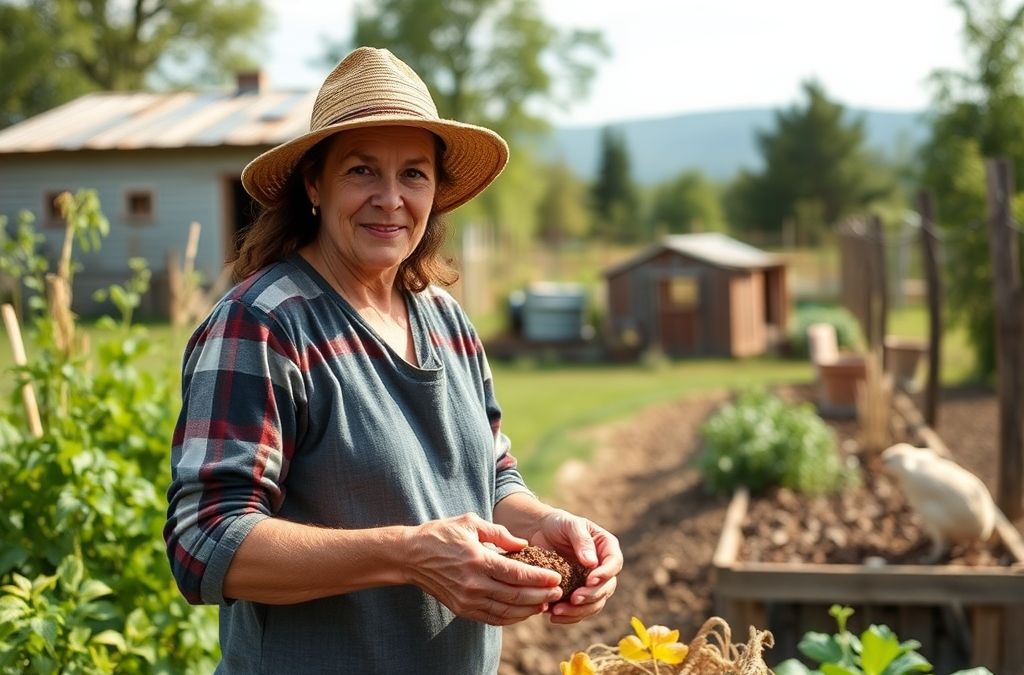
To ensure food security through homesteading, focus on cultivating a diverse range of crops and integrating livestock into your system. This diversity reduces reliance on a single food source, which can be risky. Implementing practices like crop rotation and companion planting not only improves soil health but also boosts yields. Additionally, establish effective storage solutions to preserve your harvest, ensuring you have a stable food supply throughout the year. Regularly evaluate your production methods to minimize waste and adapt to changing conditions.
Understanding Food Security in Homesteading
Food security in homesteading refers to the ability to produce and access sufficient food consistently. It is crucial for self-sufficiency and resilience against external food supply disruptions. By integrating sustainable practices, homesteaders can create systems that ensure a continuous food supply, even during challenging times.
To achieve food security, homesteaders must focus on a few key principles: diversity in food production, seasonal planning, and sustainable practices. Relying on a single crop or food source can lead to vulnerabilities; therefore, growing a variety of plants and raising livestock helps mitigate these risks. Additionally, understanding local climate conditions can inform better planting and harvesting schedules.
Key Components of a Productive Homestead
A productive homestead is built on several foundational elements. First, the layout and design of the homestead should facilitate efficient workflows and maximize the use of space. Consider incorporating raised beds, vertical gardening, and companion planting to optimize crop yields.
Another critical component is water management. Implementing rainwater collection systems and drip irrigation can ensure a reliable water supply for crops. Additionally, investing in soil health through composting and organic amendments can enhance fertility and promote sustainable growth.
Soil Health and Crop Management
Healthy soil is the backbone of any successful homestead. To maintain soil fertility, practice crop rotation to prevent nutrient depletion and reduce pest cycles. Incorporate cover crops during the off-season to enhance soil structure and provide organic matter.
Companion planting is another effective strategy, where certain plants are grown together to improve growth, repel pests, or enhance flavors. For instance, planting tomatoes with basil not only benefits both crops but also can deter harmful insects. Regular soil testing can help monitor nutrient levels and inform necessary amendments.
Livestock as a Food Security Strategy
Incorporating livestock into your homestead can significantly boost food security. Chickens, for instance, provide a steady source of eggs and can help control pests in the garden. Goats and sheep can offer milk and meat, while their grazing habits can help maintain land by controlling weeds.
When raising livestock, ensure you have a solid understanding of their needs, including proper feeding, shelter, and healthcare. Additionally, consider rotational grazing to maintain pasture health and reduce soil erosion.
Storage Solutions for Long-Term Food Security
Proper food storage is essential for maintaining food security throughout the year. Techniques such as canning, freezing, and dehydrating can help preserve surplus produce. Ensure you have a designated space for food storage that is cool, dry, and dark to prolong shelf life.

Investing in proper containers and sealing methods can prevent spoilage and pest infestations. Regularly check stored foods for signs of decay and rotate stock to ensure older items are used first, preventing waste.
Frequently Asked Questions
What are the first steps to start a homestead for food security?
Begin by assessing your available space and resources, then plan a diverse garden with seasonal crops and consider raising small livestock.
How can I improve soil health on my homestead?
Practice crop rotation, use organic compost, and incorporate cover crops to enhance soil fertility and structure.
What types of livestock are best for beginners?
Chickens are ideal for beginners as they require less space and provide eggs and pest control. Goats can also be good for milk and land maintenance.
How do I store food for long-term use?
Utilize canning, freezing, and dehydrating methods to preserve food, and ensure storage areas are cool, dry, and dark to prevent spoilage.
What common mistakes should I avoid in homesteading?
Avoid over-reliance on a single crop, neglecting soil health, and failing to plan for seasonal changes, which can jeopardize food security.

