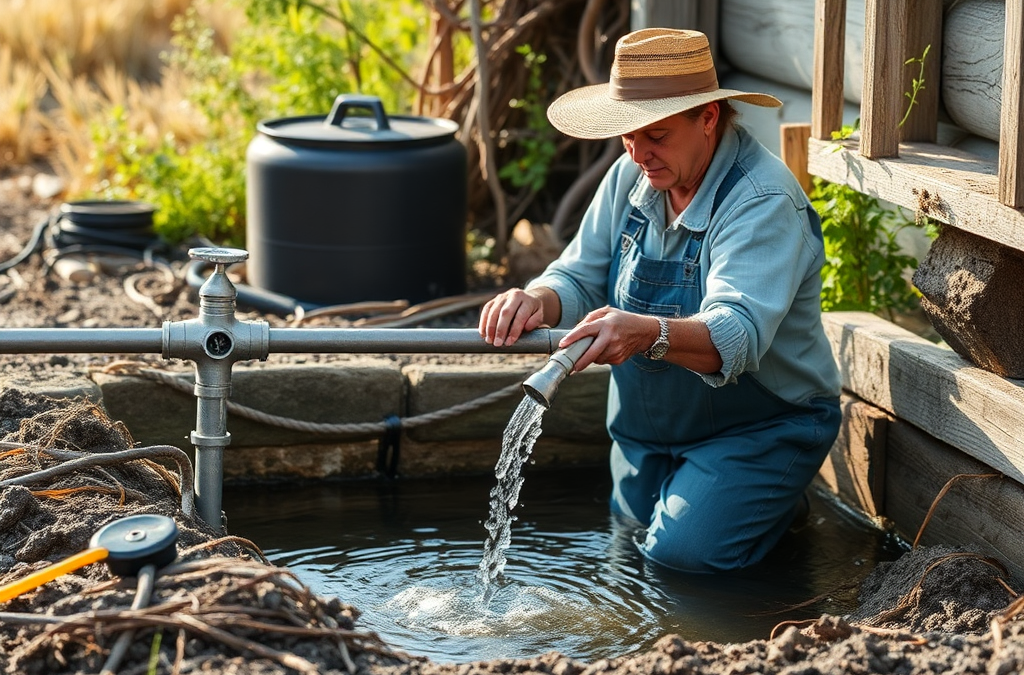
To manage water resources effectively, adopt strategies such as rainwater harvesting and drip irrigation, which significantly reduce water waste and enhance agricultural productivity. Rainwater harvesting allows you to collect and store precipitation, making it a valuable resource during dry periods. Drip irrigation targets water directly to plant roots, minimizing evaporation and runoff. Additionally, regularly monitoring soil moisture levels can help determine the precise water needs of your crops, ensuring efficient use of water. Establishing a comprehensive water management plan that incorporates these techniques is vital for sustainability and environmental protection.
Understanding Water Resource Management
Water resource management involves the planning, development, distribution, and management of water resources. It is crucial for ensuring that water is available for various uses, including agriculture, drinking, and sanitation. Effective management optimizes water use, reduces waste, and protects water quality. Understanding the local climate, water availability, and demand is essential for creating a sustainable water management strategy.
Water scarcity is an increasing global issue, driven by population growth, climate change, and unsustainable consumption practices. Effective water management can mitigate these challenges by promoting conservation and efficient use of existing resources. It is not just about using less water; it involves understanding the entire water cycle and how to work within it.
Effective Techniques for Water Management
Implementing effective techniques for managing water resources can significantly enhance sustainability and efficiency. Here are some key methods:
- Rainwater Harvesting: Collecting and storing rainwater for later use reduces dependency on groundwater and municipal water supplies. It is particularly effective in regions with seasonal rainfall. Properly designed systems can capture a significant amount of water, which can be used for irrigation, flushing toilets, or even drinking, depending on local regulations.
- Drip Irrigation: This method delivers water directly to the roots of plants, minimizing evaporation and runoff. Drip irrigation systems can be tailored to specific crops and soil conditions, ensuring that plants receive the optimal amount of water. This technique is especially beneficial in arid regions where water is scarce.
- Soil Moisture Monitoring: Utilizing sensors to measure soil moisture levels helps farmers apply water only when necessary. This practice prevents overwatering and encourages deeper root growth, leading to healthier plants. By understanding soil moisture dynamics, farmers can make informed irrigation decisions based on actual plant needs.
Incorporating these techniques into a comprehensive water management plan can lead to significant improvements in water use efficiency and crop productivity.
Common Mistakes in Water Resource Management
Even with the best intentions, managing water resources can lead to pitfalls. Common mistakes include:
- Ignoring Local Conditions: Failure to consider local climate patterns, soil types, and vegetation can lead to ineffective water management strategies. Tailoring approaches to specific conditions is essential for success.
- Over-reliance on Technology: While technology can enhance efficiency, reliance solely on it without understanding the underlying principles of water management can lead to failures. For example, automated irrigation systems can malfunction, leading to over or under-watering.
- Neglecting Maintenance: Water management systems require regular maintenance to function effectively. Ignoring this aspect can result in leaks, blockages, and reduced efficiency.
Recognizing and addressing these mistakes can significantly improve water management outcomes.
Real-World Applications and Case Studies
Examining real-world applications of effective water resource management provides valuable insights. For instance, in California, farmers have adopted precision agriculture techniques that combine soil moisture sensors with weather data to optimize irrigation schedules. This approach has led to a reduction in water usage by up to 30% while maintaining crop yields.
Another example can be seen in urban areas where rainwater harvesting systems are becoming more common. Cities like Melbourne, Australia, have implemented policies encouraging homeowners to install rainwater tanks, significantly increasing local water supply and reducing stormwater runoff.
These examples highlight the importance of adapting water management strategies to local conditions and the benefits of innovative practices.

Frequently Asked Questions
What is water resource management?
Water resource management is the process of planning, developing, and managing water resources to ensure sustainable use for various needs, including agriculture, drinking, and sanitation.
How can rainwater harvesting benefit water management?
Rainwater harvesting collects and stores rainwater, reducing reliance on other water sources and helping manage water supply during dry periods.
What are the advantages of drip irrigation?
Drip irrigation delivers water directly to plant roots, minimizing evaporation and runoff, which increases efficiency and can improve crop yields.
Why is soil moisture monitoring important?
Soil moisture monitoring allows for precise irrigation, ensuring plants receive the right amount of water, which conserves resources and promotes healthy growth.
What common mistakes should be avoided in water management?
Common mistakes include ignoring local conditions, over-relying on technology, and neglecting system maintenance, which can lead to inefficiencies.
Conclusion
Effectively managing water resources is crucial for sustainability in agriculture and urban areas alike. By implementing techniques such as rainwater harvesting, drip irrigation, and soil moisture monitoring, individuals and communities can optimize water use, reduce waste, and ensure a reliable supply. Recognizing common mistakes and learning from real-world applications can further enhance these efforts. Prioritizing a strategic approach to water management will lead to better outcomes for both people and the environment.