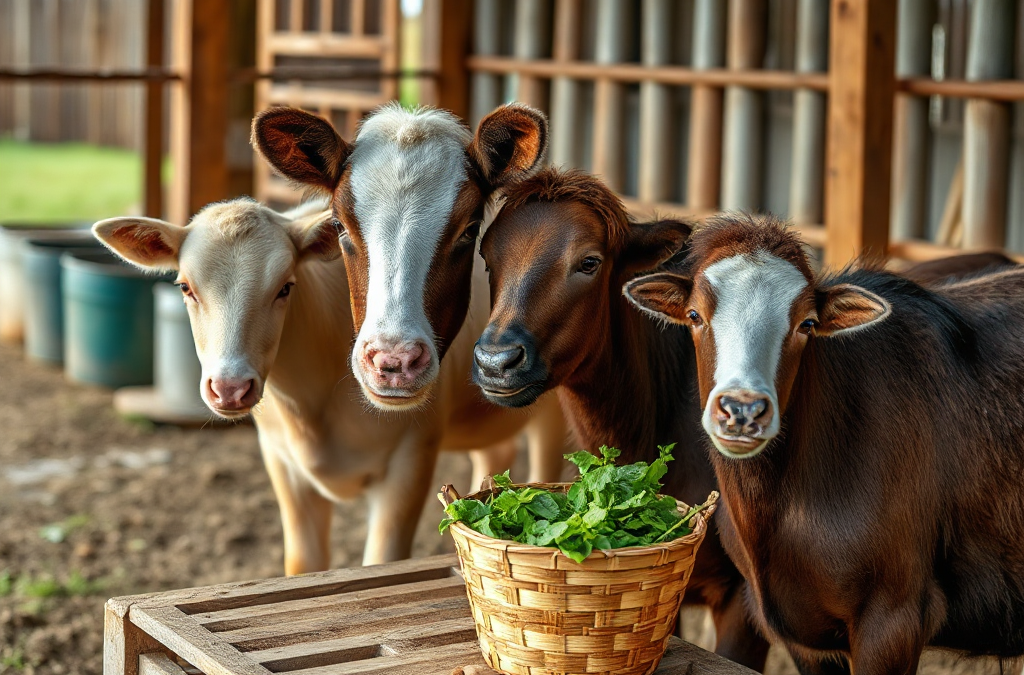
To keep your homestead animals healthy year-round, focus on providing a balanced diet, regular veterinary care, and proper shelter. Ensure that their nutritional needs are met with fresh feed and clean water, monitor for signs of illness, and maintain a clean living environment to prevent disease. Seasonal adjustments in care, such as protection from extreme weather, are also crucial for their well-being.
Understanding Nutritional Needs
Providing a balanced diet is fundamental to keeping homestead animals healthy throughout the year. Each type of animal has specific dietary requirements that must be met to ensure optimal growth, production, and overall health. For instance, poultry needs a diet high in protein and calcium for egg production, while ruminants like cows and goats require a diet rich in fiber to aid digestion.
The nutritional components of animal feed typically include proteins, carbohydrates, fats, vitamins, and minerals. It’s essential to source high-quality feed that meets these requirements, as poor nutrition can lead to various health issues, decreased productivity, and even death. Moreover, providing access to clean, fresh water is critical as hydration directly impacts their health.
Different seasons may necessitate adjustments in feed formulation. For example, during colder months, animals may require higher energy feeds to maintain body temperature, while during hot weather, their feed may need to be adjusted to prevent heat stress. It’s also beneficial to consult with a veterinarian or animal nutritionist to create a tailored feeding plan based on the specific needs of your animals.
Regular Veterinary Care
Routine veterinary care is essential for preventing disease and ensuring the longevity of your homestead animals. Regular check-ups allow for early detection of health issues that can be more easily managed when caught early. Vaccinations are crucial for protecting against common diseases, and deworming protocols should be established based on the type of animals you have and the local parasite load.
Additionally, establishing a relationship with a local veterinarian who understands your specific farming practices can be incredibly beneficial. They can provide guidance on the best health practices for your animals, including vaccination schedules and nutritional advice. Keeping thorough health records for each animal can also help track vaccination dates, health issues, and treatments, allowing for better management of their health over time.
It’s important to be mindful of signs of illness in your animals, such as changes in behavior, appetite, or appearance. Being proactive in veterinary care not only enhances the health of your animals but also contributes to the overall productivity of your homestead.
Maintaining Proper Shelter
Proper shelter is vital for the health and well-being of homestead animals. Shelter protects them from harsh weather conditions, predators, and provides a safe space for rest and recovery. The design and location of the shelter should consider the specific needs of each animal species. For instance, poultry requires well-ventilated coops that are easy to clean, while larger animals like horses need spacious barns with adequate ventilation and protection from the elements.
During winter, ensuring that shelters are insulated and draft-free can help prevent cold stress, while in summer, providing shaded areas and cooling options is essential for their comfort. Regular cleaning and maintenance of shelter areas are crucial to prevent the buildup of waste and pathogens that could lead to disease outbreaks.
Additionally, consider implementing proper fencing and security measures to protect your animals from potential threats, both from wildlife and neighboring properties. A secure environment is a key factor in maintaining animal health and reducing stress.
Monitoring Health and Behavior
Regular monitoring of your animals’ health and behavior is essential for detecting issues before they become serious. Observing daily habits, such as eating, drinking, and social interactions can provide significant insights into their well-being. Changes in behavior, such as lethargy, isolation, or aggression, can indicate health problems that require immediate attention.
Additionally, maintaining a clean and organized environment can reduce stress and promote better health outcomes. Routine tasks such as cleaning feeding areas, replacing bedding, and ensuring that water sources are clean contribute to a healthier living space for your animals. Keeping an eye on their body condition and weight can also help in identifying potential health issues early.

Incorporating a routine health check can be beneficial. This includes checking for signs of parasites, skin lesions, or respiratory issues. Establishing a consistent observation schedule allows you to catch any abnormalities early, leading to better management and treatment outcomes.
Frequently Asked Questions
What are the signs of a healthy homestead animal?
Healthy animals typically exhibit a good appetite, bright eyes, a clean coat, and active behavior. Regular monitoring of these signs is essential.
How often should I schedule veterinary visits?
Veterinary visits should be scheduled at least once a year, but more frequent visits may be necessary for young or sick animals.
What should I include in my animals’ diet?
A balanced diet for homestead animals includes grains, proteins, vitamins, and minerals tailored to their specific species and needs.
How can I prevent diseases in my animals?
Preventive measures include vaccinations, regular veterinary check-ups, and maintaining a clean living environment to reduce stress and pathogens.
Why is monitoring behavior important?
Monitoring behavior helps identify health issues early, as changes in eating, drinking, or social interactions can indicate problems that need attention.
Conclusion
Keeping your homestead animals healthy year-round requires a multifaceted approach that includes proper nutrition, regular veterinary care, adequate shelter, and diligent monitoring of health and behavior. By focusing on these key areas, you can ensure that your animals thrive and contribute positively to your homestead. Implementing these practices not only enhances the well-being of your animals but also promotes a more productive and sustainable farming operation.

Further Reading
Authoritative Sources
- How to Keep Farm Animals Healthy: Tips for All Year Long
adobevetcenter.comLearn essential tips for keeping your farm animals healthy all year long, including advice on hydration, balanced nutrition, proper shelter, ...
- How to Keep Cows Healthy: A Complete Guide
blog.cheshirehorse.comProper Nutrition Comes First · Clean Water Is Essential · Provide Safe, Comfortable Housing · Preventative Veterinary Care Matters · Daily ...
- How to Keep Your Homestead Animals Healthy (Chickens, ...
healingharvesthomestead.comHere's how to keep your chickens, goats, and rabbits healthy, and what items you should keep in your pet medical emergency kit...just in case.
- Keeping Animals Healthy
extension.psu.eduSimple procedures producers follow include proper storage temperature, vaccinating clean and dry animals, injecting with clean needles, and ...