
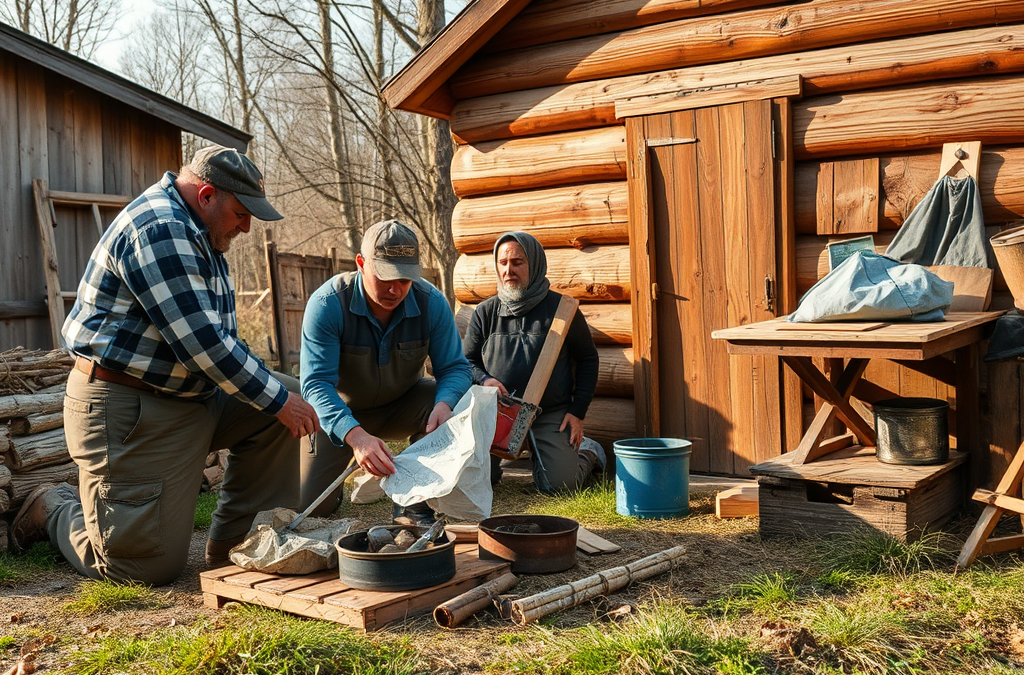
Developing skills for emergency preparedness on your homestead involves mastering essential techniques such as food preservation, first aid, and resource management. These skills ensure you can sustain your family during crises, mitigate risks, and maintain a resilient lifestyle. Focus on practical training in areas like gardening, self-defense, and emergency communication to enhance your readiness. Investing time in these skills can significantly impact your homestead’s safety and sustainability during emergencies.
Understanding Emergency Preparedness
Emergency preparedness is crucial for homesteaders as it equips them to face unexpected situations, from natural disasters to economic disruptions. Understanding what emergency preparedness entails allows you to create a resilient homestead capable of withstanding various challenges. This includes assessing potential risks specific to your region, such as floods, wildfires, or food shortages, and planning accordingly.
Preparedness involves not just having supplies but also developing skills that enable you to respond effectively. This can include first aid, self-defense, and sustainable food production. By prioritizing these areas, you can ensure your homestead remains functional and secure during emergencies.
Key Skills for Your Homestead
Developing skills for emergency preparedness on your homestead requires focusing on several key areas that enhance your overall resilience. First, mastering food preservation techniques, such as canning, drying, and fermenting, ensures you have a reliable food supply during shortages. Second, learning basic first aid and CPR can be lifesaving in emergencies.
Another vital skill is resource management, which includes understanding how to efficiently use your available resources, whether it’s water, energy, or food. Learning how to create and maintain a garden can provide fresh produce, while skills like foraging can supplement your diet. Additionally, self-defense training can empower you to protect your homestead against potential threats.
Practical Techniques to Develop
To effectively develop skills for emergency preparedness on your homestead, consider implementing practical techniques that are easy to learn and apply. Start with food preservation techniques; for instance, canning seasonal fruits and vegetables not only extends their shelf life but also ensures you have nutritious options available year-round.
Next, practice first aid scenarios with family members to familiarize everyone with the necessary steps during an emergency. This could involve basic wound care, managing allergic reactions, or dealing with fractures. Additionally, establish a communication plan that includes emergency contacts and meeting points in case of evacuation.
In summary, invest time in learning about sustainable energy options, such as solar power or wind energy, to reduce your dependence on external sources. This self-sufficiency can prove invaluable during power outages or fuel shortages.
Common Mistakes and How to Avoid Them
When developing skills for emergency preparedness on your homestead, it’s essential to be aware of common mistakes that can hinder your effectiveness. A frequent pitfall is overestimating your ability to act in a crisis without prior practice. Regularly engaging in drills and training sessions can help mitigate this risk.
Another mistake is neglecting the importance of mental preparedness. Emotional resilience is just as critical as physical skills. Consider incorporating mindfulness practices or stress management techniques to help you remain calm during emergencies.
Lastly, avoid the trap of gathering supplies without a plan. Focus on what skills you need first, then build your supply list around those skills. This ensures that your preparations are both practical and relevant to your specific needs.

Frequently Asked Questions
What are the first steps in emergency preparedness on a homestead?
The first steps include assessing potential risks, creating an emergency plan, and developing essential skills like first aid and food preservation.
How can I improve my food preservation skills?
Start by learning canning, drying, and fermenting techniques, and practice these methods with seasonal produce to gain confidence.
How often should I practice my emergency response skills?
Regular practice, such as quarterly drills, helps reinforce skills and ensures everyone knows their roles during an emergency.
Why is mental preparedness important in emergencies?
Mental preparedness helps maintain calm and clarity during crises, enabling better decision-making and effective responses.
Conclusion
Developing skills for emergency preparedness on your homestead is a proactive approach to ensure safety and resilience. Prioritize essential areas such as food preservation, first aid, and resource management. Regular practice and training will enhance your confidence and effectiveness during emergencies. Start small, build your skills, and remember that preparation is an ongoing process. By investing time and effort into these areas, you can create a secure and self-sufficient homestead capable of withstanding various challenges.
Further Reading
Authoritative Sources
- The Ultimate Guide to Emergency Preparedness and ...
mitti.comCreating an Emergency Preparedness and Response Plan · Assess Safety Risks · Identify Potential Emergencies · Create a Team · Be One Step Ahead: Develop an ...
- American Red Cross Emergency Preparedness
redcross.orgPractical emergency preparation, safety, and supply guidance for households.

