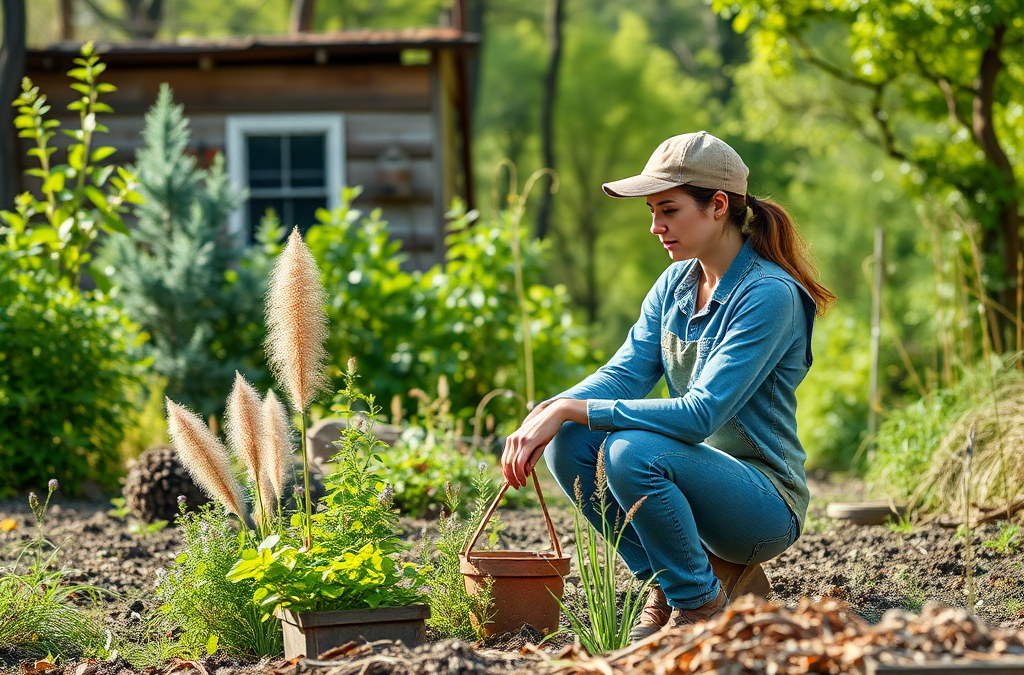
Creating a homestead that promotes biodiversity requires integrating a variety of plants and animals while enhancing habitats for wildlife. Implementing permaculture principles can help establish a self-sustaining ecosystem that maximizes resources and minimizes waste. Prioritize planting native species that thrive in your local environment and ensure a mix of flowering plants to support pollinators year-round. Additionally, avoid monocultures by rotating crops and using organic practices to maintain soil health and attract beneficial insects. By fostering diverse ecosystems, your homestead can become more resilient, sustainable, and productive over time.
Understanding Biodiversity in Homesteading
Biodiversity refers to the variety of life forms in a given ecosystem, encompassing different species of plants, animals, and microorganisms. In a homesteading context, promoting biodiversity is crucial because it enhances ecosystem resilience, improves soil health, and supports pest control through natural predation. A biodiverse homestead can better withstand environmental stresses and provide a more sustainable food source.
Integrating diverse species creates a balanced ecosystem. For instance, planting a mix of perennials and annuals can ensure year-round food availability for both humans and wildlife. Additionally, incorporating various crops can lead to improved pollination and reduced disease transmission among plants.
Practical Steps to Enhance Biodiversity
To effectively promote biodiversity on your homestead, start by implementing the following practices:
- Permaculture Design: Utilize permaculture principles to create a self-sustaining ecosystem. This involves designing your garden layout to maximize space and resources while minimizing waste.
- Diverse Plantings: Choose a variety of plants that bloom at different times to provide continuous food sources for pollinators. Include native plants that are well-adapted to your local climate and soil conditions.
- Crop Rotation: Rotate crops each season to prevent soil depletion and reduce pest populations. This practice helps maintain soil fertility and reduces the risk of disease.
- Organic Practices: Avoid synthetic pesticides and fertilizers, which can harm beneficial insects and soil microbes. Instead, use organic methods such as composting and natural pest deterrents.
By following these steps, you can create a thriving ecosystem that supports a variety of life forms and enhances the overall productivity of your homestead.
Creating Habitats for Wildlife
Encouraging wildlife on your homestead is a vital aspect of promoting biodiversity. You can create suitable habitats by incorporating specific elements:
- Water Sources: Install birdbaths, ponds, or small water features to provide drinking and bathing spots for wildlife.
- Nesting Areas: Build birdhouses or leave areas of your garden undisturbed to provide nesting spaces for birds and beneficial insects.
- Pollinator Gardens: Plant flowers that attract bees, butterflies, and other pollinators. These gardens should include a mix of colors, shapes, and sizes to cater to different species.
- Natural Cover: Maintain areas of native grasses, shrubs, and trees to offer shelter and food for wildlife.
These habitat features not only support local wildlife but also enhance the aesthetic appeal of your homestead while providing ecological benefits.
Common Pitfalls to Avoid
While striving for biodiversity, many homesteaders encounter common pitfalls that can hinder their efforts:
- Monoculture Planting: Relying on a single crop can lead to soil depletion and increased vulnerability to pests and diseases. Aim for diversity in your planting to create a resilient ecosystem.
- Neglecting Soil Health: Healthy soil is vital for biodiversity. Avoid over-tilling and chemical inputs that can degrade soil health. Instead, focus on building soil organic matter through composting and mulching.
- Ignoring Local Ecosystems: Always consider local wildlife and plant species when designing your homestead. Introducing non-native species can disrupt local ecosystems and harm existing wildlife.
- Underestimating Maintenance: Biodiverse systems require ongoing care and observation. Regularly monitor plant health, wildlife activity, and soil conditions to ensure your ecosystem remains balanced.
By being aware of these pitfalls, you can make informed decisions that support a thriving ecosystem on your homestead.
Frequently Asked Questions
What are the benefits of promoting biodiversity on a homestead?
Promoting biodiversity enhances ecosystem resilience, improves soil health, and supports natural pest control, leading to a more sustainable homestead.
How can I start creating a biodiverse garden?
Begin by planting a variety of native species, incorporating flowers that bloom at different times, and avoiding chemical fertilizers to promote healthy ecosystems.
What role do pollinators play in biodiversity?
Pollinators are essential for the reproduction of many plants. A diverse range of flowering plants attracts different pollinators, supporting overall biodiversity.
How does soil health impact biodiversity?
Healthy soil supports diverse microbial life and plant growth, which in turn sustains a variety of animals and insects, promoting overall ecosystem health.
What are some common mistakes in promoting biodiversity?
Common mistakes include monoculture planting, neglecting soil health, and introducing non-native species that can disrupt local ecosystems.
Further Reading
Authoritative Sources
Conclusion
Creating a homestead that promotes biodiversity is essential for cultivating a resilient ecosystem that supports both human and wildlife needs. By implementing diverse planting strategies, maintaining healthy soil, and creating habitats for wildlife, you can enhance the productivity and sustainability of your homestead. Avoid common pitfalls such as monoculture practices and neglecting local ecosystems to ensure your efforts are effective and long-lasting.