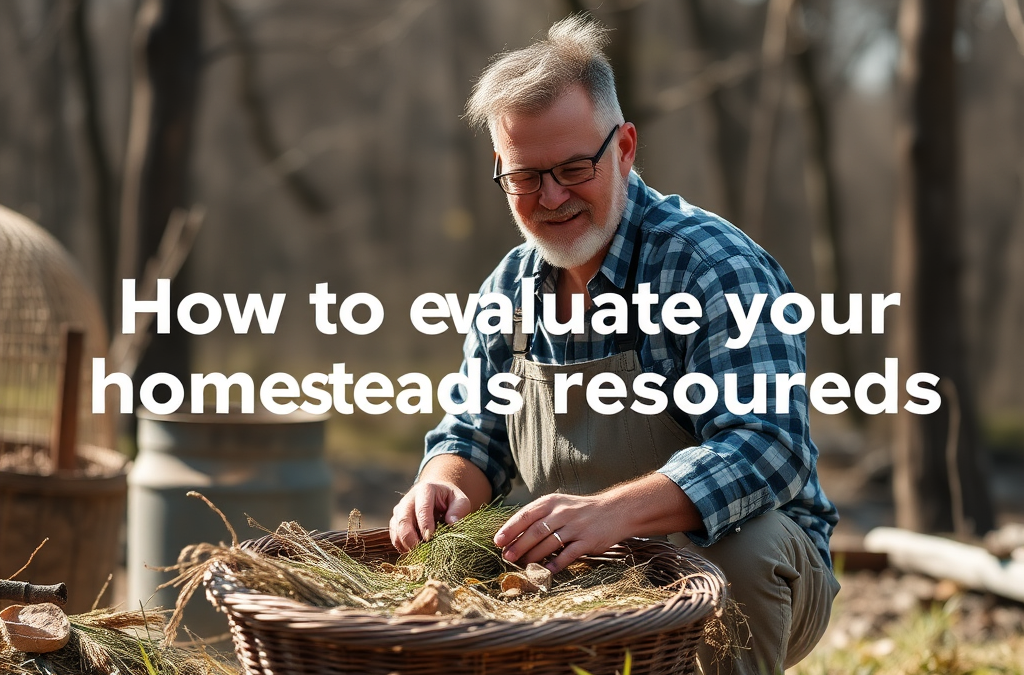
To effectively evaluate your homestead’s resource needs, begin by thoroughly assessing your water supply, soil quality, and energy sources. Conduct a detailed inventory of your existing resources and identify any gaps in your self-sufficiency. For instance, if your water supply is limited, consider implementing a rainwater harvesting system to enhance sustainability. Additionally, regularly testing your soil can reveal nutrient deficiencies that may hinder productivity, allowing you to take corrective actions like composting or crop rotation. Prioritizing these evaluations not only improves resource management but also strengthens your homestead’s resilience against environmental challenges.
Assessing Water Resources
Water is a vital resource for any homestead, and evaluating your water supply is the first step in resource assessment. Determine the sources of water you have access to, such as wells, rainwater collection systems, or nearby streams. Analyze the quality and quantity of water available throughout the year, which can fluctuate due to seasonal changes.
Consider implementing a rainwater harvesting system if you find your current supply insufficient. This system can be as simple as rain barrels or more complex with filtration and storage solutions. Additionally, assessing the potential for drought or water shortages is crucial, as these factors can significantly impact your homestead’s sustainability.
One common mistake is underestimating the water needs of various homestead activities, such as gardening, livestock care, and household use. Plan for peak usage times and consider creating a backup water source to mitigate risks associated with water shortages.
Understanding Soil Quality
The quality of your soil directly impacts the productivity of your homestead. Evaluating soil health involves testing for pH levels, nutrient content, and organic matter. You can use DIY soil testing kits available at garden centers or send samples to a local agricultural extension office for a more detailed analysis.
Improving soil health may include practices like crop rotation, cover cropping, and the addition of organic matter through composting. These methods not only enhance nutrient availability but also improve soil structure and water retention.
It’s essential to recognize that poor soil quality can lead to lower yields and increased susceptibility to pests and diseases. Therefore, investing time in understanding and enhancing your soil can yield significant long-term benefits for your homestead.
Evaluating Energy Sources
Energy needs on a homestead can vary widely based on the size of the operation and the lifestyle of the inhabitants. Begin by listing all current energy sources, including electricity, propane, solar panels, and wood. Evaluate the reliability and cost of these sources, as well as your energy consumption patterns.
Consider the feasibility of transitioning to renewable energy sources, such as solar or wind, which can reduce dependency on external energy supplies and lower long-term costs. Assessing your energy needs can also lead to practical energy-saving measures, such as improving insulation or using energy-efficient appliances.
A common pitfall is neglecting to account for energy needs during peak usage times or emergencies. Planning for these scenarios by having backup systems in place can enhance your homestead’s resilience.

Inventorying Other Resources
Beyond water, soil, and energy, a successful homestead relies on a variety of other resources. Consider your ability to produce food through gardening, raising livestock, and foraging. Evaluate your tools, equipment, and knowledge base in homesteading skills such as preservation, cooking, and maintenance.
Creating an inventory of your resources can help identify gaps in your self-sufficiency. This could include skills you need to develop or tools you should acquire to enhance productivity. For example, if you lack canning equipment, consider investing in it to preserve your harvest and reduce reliance on store-bought goods.
It’s crucial to recognize that resource evaluation is an ongoing process. Regularly revisiting and updating your inventory will ensure you adapt to changing needs and circumstances.
Frequently Asked Questions
How can I assess my soil quality?
You can assess soil quality by testing for pH levels, nutrient content, and organic matter using kits or laboratory services.
What are the benefits of rainwater harvesting?
Rainwater harvesting can reduce dependence on municipal water systems and provide a sustainable water source for irrigation and household use.
Conclusion
Evaluating your homestead’s resource needs is essential for achieving sustainability and self-sufficiency. By assessing water, soil, energy, and other vital resources, you can identify gaps and prioritize improvements. Regular evaluations will not only enhance productivity but also prepare your homestead for future challenges. Start by focusing on the most critical elements, and develop a plan to address any deficiencies, ensuring your homestead thrives in the long term.