
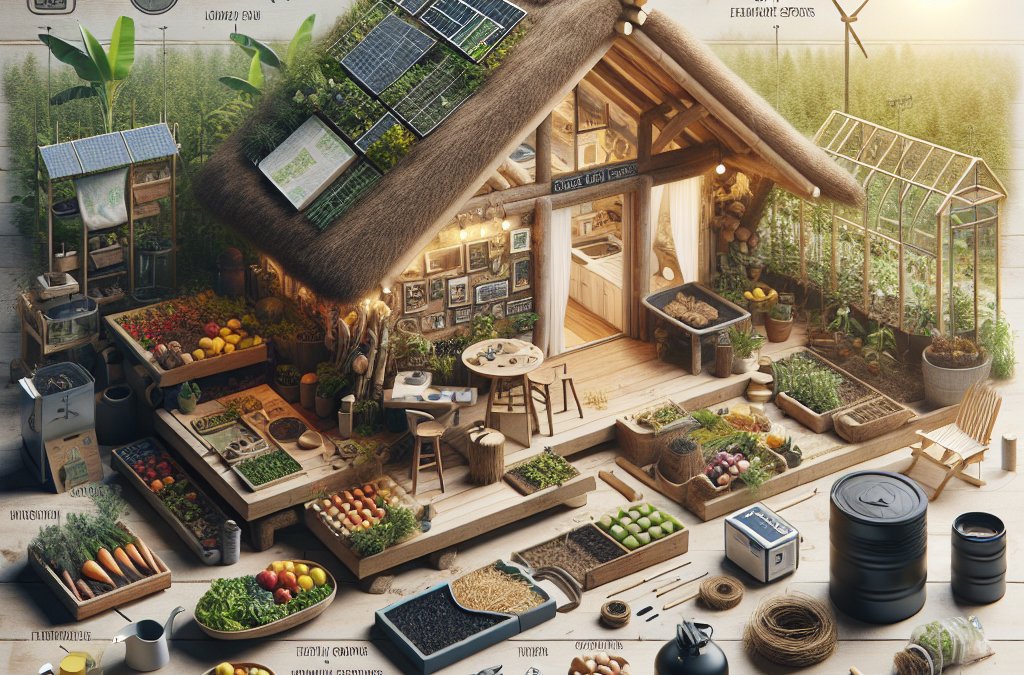
Instant Answer: Essential tools and supplies for homestead gardening include a sturdy shovel, garden fork, and hand trowel for planting and soil preparation. A watering can or hose with a spray nozzle ensures proper irrigation, while gloves protect your hands. Organic fertilizers, compost, and mulch help maintain soil health and plant growth. Additionally, stakes, trellises, and plant supports are useful for managing plant growth and maximizing space.
Table of Contents
- Essential Tools and Supplies for Successful Homestead Gardening
- Basic Hand Tools for Every Homestead Garden
- Power Tools to Boost Efficiency
- Soil Preparation Supplies
- Planting Supplies
- Irrigation Systems for Consistent Watering
- Pest Control and Disease Management Supplies
- Harvesting and Storage Equipment
- Additional Supplies for Sustainability and Comfort
- The Importance of Planning Your Tool Inventory
- Conclusion
- Other Questions People Ask
- What eco-friendly methods can I use for maintaining a homestead garden?
- How does homestead gardening function and what exactly is it?
- What are the first steps to begin homestead gardening successfully?
Essential Tools and Supplies for Successful Homestead Gardening
A thriving homestead garden begins with the right set of tools and supplies that turn soil into a fertile canvas for growth. From the sturdy shovel that digs deep into stubborn earth to the delicate hand trowel perfect for transplanting seedlings, each piece plays a vital role in nurturing your plants. A reliable watering can or hose with a gentle spray nozzle ensures your crops stay hydrated without damage, while gloves protect your hands during long hours of labor. Coupled with organic fertilizers, compost, and mulch, these essentials create a resilient foundation for a lush, productive garden that feels both rewarding and sustainable.
Basic Hand Tools for Every Homestead Garden
At the foundation of any successful garden are reliable hand tools that make planting, weeding, and harvesting easier and more efficient. Investing in high-quality tools can save you time and reduce physical strain. Some essential hand tools include:
- Garden Trowel: A versatile tool perfect for planting seedlings, transplanting, and digging small holes. Look for one with a comfortable grip and a sturdy blade made of stainless steel or carbon steel.
- Pruning Shears: Necessary for trimming plants, harvesting herbs, and pruning fruit trees. Bypass pruners are preferred for clean cuts that promote healthy growth.
- Hand Weeder: Designed to remove weeds from tight spaces without disturbing surrounding plants. A sharp, narrow blade makes weed removal more effective.
- Garden Fork: Ideal for turning soil, aerating compost, and breaking up compacted earth. A fork with sturdy tines and a comfortable handle is essential.
- Watering Can: Choose a durable, rust-resistant watering can with a long spout for precise watering of seedlings and delicate plants.
Power Tools to Boost Efficiency
While manual tools are indispensable, power tools can significantly speed up larger tasks such as tilling soil or clearing land. Examples include:
- Rototiller: A gas or electric-powered tiller helps prepare large garden beds quickly by breaking up compacted soil and mixing in compost or amendments.
- Chainsaw or Pole Saw: Useful for pruning or removing overgrown branches from fruit trees or clearing brush in your homestead perimeter.
- Leaf Blower/Vacuum: Handy for clearing fallen leaves, debris, or grass clippings from pathways and garden beds.
Soil Preparation Supplies
Healthy soil is the foundation of productive gardening. To prepare your soil effectively, consider the following supplies:
- Compost: Rich, organic compost improves soil fertility and structure. You can make your own using kitchen scraps, yard waste, and manure or purchase from local suppliers.
- Soil Test Kits: These kits help determine pH levels and nutrient deficiencies, guiding you on necessary amendments like lime or sulfur.
- Organic Amendments: Materials such as aged manure, bone meal, blood meal, or kelp meal add essential nutrients to your soil.
- Mulch: Organic mulches like straw, wood chips, or shredded leaves help retain moisture, suppress weeds, and improve soil health over time.
Planting Supplies
Successful planting depends on quality supplies that support seed germination and seedling growth. These include:
- Seeds and Seedlings: Select varieties suited to your climate and growing season. Consider heirloom seeds for flavor and biodiversity or hybrid seeds for disease resistance.
- Seed Trays and Pots: Reusable containers facilitate starting seeds indoors or in protected environments before transplanting outdoors.
- Growing Medium: Use seed-starting mixes that drain well yet retain moisture, such as peat-based or coconut coir mixes.
- Labels and Markers: Keep track of different plant varieties with durable labels made of waterproof material.
Irrigation Systems for Consistent Watering
Proper watering is critical for plant health. Consider installing efficient irrigation systems to save time and water:
- Drip Irrigation: Delivers water directly to the base of plants, reducing evaporation and runoff. Ideal for vegetable beds and flower borders.
- Soaker Hoses: Flexible hoses that lay on or beneath the soil surface, providing even watering over large areas.
- Automatic Timers: Attach to your irrigation system to schedule watering times, ensuring plants receive consistent moisture even when you’re away.
Pest Control and Disease Management Supplies
A healthy garden requires proactive pest and disease management. Essential supplies include:
- Organic Pesticides: Neem oil, insecticidal soap, or diatomaceous earth help control pests without harming beneficial insects.
- Row Covers and Netting: Physical barriers prevent pests like cabbage worms or aphids from reaching your plants.
- Companion Planting Guides: Knowledge about plant combinations that naturally repel pests or attract beneficial insects can reduce chemical use.
- Disease-Resistant Varieties: Selecting plants bred for resistance minimizes the need for chemical interventions.
Harvesting and Storage Equipment
Efficient harvesting tools ensure you collect your bounty at peak ripeness. Consider these supplies:
- Sustainable Harvest Baskets: Woven baskets or crates made from natural materials are gentle on produce and eco-friendly.
- Keepsake Containers: For delicate herbs or small vegetables like cherry tomatoes or strawberries.
- Cooling and Storage Solutions: Refrigeration units, root cellars, or dehydration equipment extend the shelf life of your harvest.
Additional Supplies for Sustainability and Comfort
Sustainable gardening practices enhance your homestead’s resilience. Additional supplies include:
- Rain Barrels: Capture rainwater for irrigation, reducing reliance on municipal water sources and lowering your water bill.
- Garden Gloves: Protect your hands from thorns, dirt, and potential irritants while working in the soil.
- Sunscreen and Protective Clothing: Essential for outdoor work during hot summer days to prevent sunburn and heat exhaustion.
- Sustainable Fertilizers: Use compost teas or fish emulsion to nourish plants naturally without synthetic chemicals.
The Importance of Planning Your Tool Inventory
A well-organized tool inventory prevents unnecessary purchases and ensures you have what you need when you need it. Keep a dedicated storage space such as a shed or tool cabinet where tools are clean, sharpened, and maintained regularly. Label storage areas clearly for quick access. Regularly assess your tools’ condition—replace worn-out blades or handles promptly to maintain safety and efficiency.
Conclusion
Building a successful homestead garden starts with equipping yourself with the right tools and supplies tailored to your specific needs. From soil preparation to pest management, each element plays a vital role in creating a resilient, productive garden that sustains your homestead year-round. By investing in quality equipment, planning carefully, and adopting sustainable practices, you’ll enjoy abundant harvests and the satisfaction of growing your own food in harmony with nature. Remember, the key to a thriving homestead garden lies not only in the tools you choose but also in your dedication to nurturing the land with patience and care.
If you’re interested in expanding your knowledge further, consider consulting local agricultural extension offices or gardening clubs that offer workshops on sustainable gardening techniques tailored to your region’s climate and soil conditions.
Other Questions People Ask
What eco-friendly methods can I use for maintaining a homestead garden?
Sustainable practices include composting kitchen scraps and yard waste to create natural fertilizer, practicing crop rotation to maintain soil fertility, and using organic pest control methods. Water conservation techniques like drip irrigation and rainwater harvesting help reduce water usage. Planting native species and pollinator-friendly plants supports local ecosystems and promotes biodiversity in your garden.
How does homestead gardening function and what exactly is it?
In simple terms, homestead gardening refers to the core process or practice behind your project. For example, a beginner might break a large task into smaller milestones and set aside 5–10 hours to experiment with basic techniques. This helps you plan your time, gather the right materials and measure progress. Understanding these mechanics ensures you work efficiently and achieve tangible results.
What are the first steps to begin homestead gardening successfully?
To get started with homestead gardening: 1. Research at least two reputable sources to learn the fundamentals. 2. Gather essential tools or materials and set a modest budget, such as $50, for supplies. 3. Dedicate a regular practice schedule (e.g., 30 minutes per day) and follow a step‑by‑step plan. 4. Evaluate your progress each week and adjust your approach based on what you learn.


