Instant Answer: Homesteading is the practice of living self-sufficiently by growing food, raising animals, and reducing reliance on external systems. To start, research local land laws and find a suitable property, then develop skills in gardening, animal care, and basic repairs. Create a plan for sustainable living, including water, energy, and food sources, and gradually implement it. Consistent effort and learning are key to building a successful homestead.

Contents
- A Simple, Repeatable Plan for Homesteading
- Assess Your Resources and Set Clear Goals
- Design a Sustainable Layout
- Start Small with Focused Projects
- Implement Soil Improvement Techniques
- Develop a Water Management System
- Build a Self-Sufficient Food System
- Practice Sustainable Energy Use
- Create a Community Network
- Maintain Consistency Through Record-Keeping
- Embrace Continuous Learning
- A Final Word: Patience and Persistence
- Top Questions Answered
- What are the essential skills needed for homesteading?
- How do I start a homestead with limited space?
- What are common challenges faced by homesteaders?
A Simple, Repeatable Plan for Homesteading
Starting a homestead is a rewarding journey that transforms a patch of land into a self-sufficient haven, where the rhythm of daily life revolves around tending crops, caring for animals, and making thoughtful decisions about resource use. It’s about cultivating a connection to the land and mastering practical skills that support sustainable living, all while adapting to the unique landscape and climate of your property. With patience and consistent effort, even small steps toward independence can grow into a resilient, thriving homestead. The key lies in developing a clear, repeatable plan that balances immediate needs with long-term goals, turning the dream of self-reliance into a tangible reality.
Assess Your Resources and Set Clear Goals
The first step in any successful homesteading plan is to evaluate your current resources and define your objectives. Take stock of your land—its size, soil quality, sunlight exposure, water sources, and existing structures. For example, if you have a 2-acre plot with rich soil and a reliable well, your options for gardening and livestock will differ from someone with a small urban backyard or rocky terrain.
Next, establish specific, measurable goals. Do you want to grow enough vegetables to feed your family year-round? Are you interested in raising chickens for eggs? Perhaps you aim to produce enough honey from bees or craft homemade soap from goat milk. Clear goals help you prioritize tasks and allocate resources effectively.
Document your goals and resources in a homestead plan. This can be as simple as a notebook or a digital document outlining your priorities, timelines, and budget. Regularly revisit and adjust this plan as you learn and grow.
Design a Sustainable Layout
Creating an efficient layout is essential for maximizing productivity and minimizing effort. Use permaculture principles to design zones based on how often you need to access different areas. For example:
- Zone 1: The area closest to your home for herbs, salad greens, and daily-use vegetables.
- Zone 2: Slightly farther out for larger vegetable beds, fruit trees, and small livestock like chickens.
- Zone 3: For perennial crops such as berries or orchard trees that require less frequent attention.
- Zone 4: Wild or semi-wild areas for foraging or timber harvesting.
Incorporate natural features such as existing trees for shade or windbreaks, water catchment systems, and composting areas. Use raised beds or hugelkultur beds to improve soil fertility and reduce weeds. Planning your layout thoughtfully saves time and energy in the long run.
Start Small with Focused Projects
One common mistake new homesteaders make is trying to do too much at once. Instead, focus on a few manageable projects that can yield quick results and build confidence. For example:
- Vegetable Garden: Plant a small vegetable patch with easy-to-grow crops like lettuce, radishes, carrots, and tomatoes. These crops can be harvested within a few months, providing immediate satisfaction.
- Herb Garden: Grow herbs such as basil, thyme, and mint in containers or designated beds. Herbs are versatile, require minimal space, and enhance your cooking.
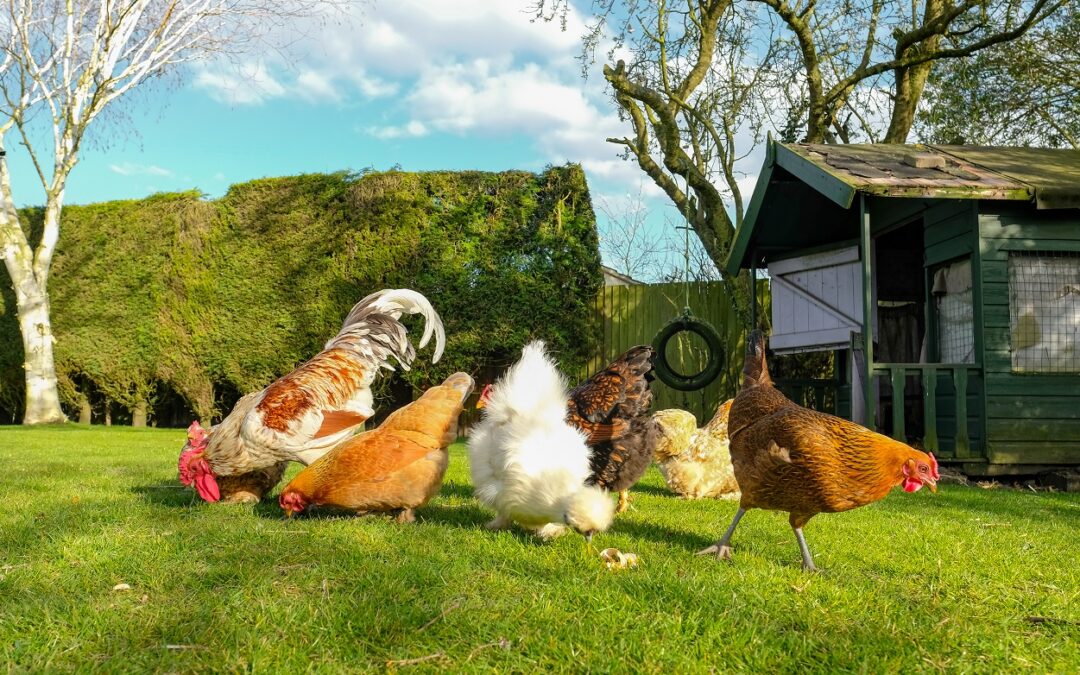
- Chicken Coop: Set up a small flock of hens for fresh eggs. Chickens also help control pests and provide manure for composting.
By concentrating on these core projects first, you’ll develop skills, understand your land better, and create a foundation for expanding your homestead gradually.
Implement Soil Improvement Techniques
Healthy soil is the backbone of productive homesteading. Invest time in building soil fertility through organic methods such as composting, mulching, crop rotation, and cover cropping. For example:
- Composting: Collect kitchen scraps, yard waste, and manure to create nutrient-rich compost that feeds your plants naturally.
- Mulching: Apply straw, wood chips, or leaf mold around plants to retain moisture, suppress weeds, and add organic matter over time.
- Crop Rotation: Rotate crops each season to prevent soil depletion and reduce pest buildup. For instance, follow nitrogen-fixing legumes like peas with heavy feeders like tomatoes.
- Cover Crops: Plant cover crops such as clover or vetch during off-season periods to protect the soil from erosion and improve nitrogen content.
Consistently maintaining healthy soil will increase yields and reduce the need for chemical fertilizers or pesticides.
Develop a Water Management System
Water is vital for all aspects of homesteading. Establish reliable water sources and conservation practices early on. Consider installing rain barrels connected to gutters to collect runoff from roofs—this provides free water for gardens and livestock. For larger needs, explore options like pond construction or well drilling if feasible.
Implement drip irrigation or soaker hoses to deliver water efficiently directly to plant roots. Mulching also helps retain soil moisture during dry periods. If you live in an area prone to droughts, consider drought-tolerant crops or xeriscaping techniques to reduce water dependency.
Monitoring water quality and usage ensures sustainability and reduces costs over time.
Build a Self-Sufficient Food System
A core goal of homesteading is to produce as much of your food as possible on-site. Start by planting a diverse array of vegetables suited to your climate—such as kale, zucchini, peppers, and root vegetables—and expand as you gain experience. Incorporate perennial foods like asparagus or rhubarb for long-term harvests.
If space allows, raise small livestock such as chickens for eggs or rabbits for meat. Consider beekeeping for honey production; bees also pollinate your plants naturally. Growing fruit trees or berry bushes adds seasonal abundance.
Preserving surplus through canning, freezing, or drying ensures food security year-round. Learning basic food preservation techniques can significantly reduce grocery bills and reliance on store-bought products.
Practice Sustainable Energy Use
Reduce your carbon footprint by integrating renewable energy sources where possible. Solar panels can power lighting, pumps, or small appliances. Wind turbines are another option if your location has consistent wind patterns.
Implement energy-efficient practices such as LED lighting, proper insulation, and manual tools to minimize electricity use. Composting toilets or greywater systems can reduce water consumption and environmental impact.
Sustainable energy practices not only lower costs but also align with the principles of self-sufficiency and environmental stewardship integral to homesteading.
Create a Community Network
No homestead is an island—building relationships with neighbors and local groups enhances resilience. Join local gardening clubs, farmers’ markets, or online forums focused on homesteading topics. Sharing resources like seeds, tools, or knowledge can save money and foster camaraderie.
You might also consider bartering services—trading eggs for woodworking skills or fresh produce for carpentry work—strengthening community bonds while reducing expenses.
A strong network provides support during challenges such as pests, weather events, or health issues, making your homesteading journey more sustainable and enjoyable.
Maintain Consistency Through Record-Keeping
Keep detailed records of planting dates, harvest yields, weather patterns, pest occurrences, and project milestones. This data helps identify what works best in your specific environment and guides future planning.
Use journals, spreadsheets, or dedicated apps designed for gardening and homesteading management. Regular review of these records allows you to refine techniques and improve productivity over time.
Embrace Continuous Learning
The world of homesteading is ever-evolving. Stay informed by reading books, attending workshops, watching online tutorials, and participating in local classes. Learning from experienced homesteaders provides valuable insights into troubleshooting problems and discovering innovative solutions.
Experiment with new crops, livestock breeds, or preservation methods to diversify your skills and increase self-sufficiency.
A Final Word: Patience and Persistence
Homesteading is a rewarding but ongoing process that requires patience and perseverance. Celebrate small successes along the way—like the first harvest of lettuce or the first batch of homemade jam—and view setbacks as learning opportunities.
By following this simple yet comprehensive plan repeatedly each season, you’ll develop routines that become second nature. Over time, these habits will transform your homestead into a resilient sanctuary that provides food security, environmental harmony, and personal fulfillment.
Remember: the key to successful homesteading is consistency. With dedication and thoughtful planning, you’ll create a sustainable lifestyle that aligns with your values and nurtures both land and community.
Top Questions Answered
What are the essential skills needed for homesteading?
Essential skills for homesteading include gardening, animal husbandry, food preservation, and basic carpentry. Knowing how to grow your own vegetables and raise livestock can help create a sustainable lifestyle. Additionally, skills like water management and renewable energy use are valuable for self-sufficiency.
How do I start a homestead with limited space?
Starting a homestead in limited space involves focusing on vertical gardening, container planting, and small-scale livestock like chickens or rabbits. Utilize raised beds and composting to maximize productivity. Planning carefully and choosing high-yield plants can help make the most of a small homestead.
What are common challenges faced by homesteaders?
Homesteaders often face challenges such as unpredictable weather, pests, and maintaining a steady food supply. Financial constraints and the physical demands of farm work can also be significant hurdles. Overcoming these requires careful planning, resilience, and continuous learning.