
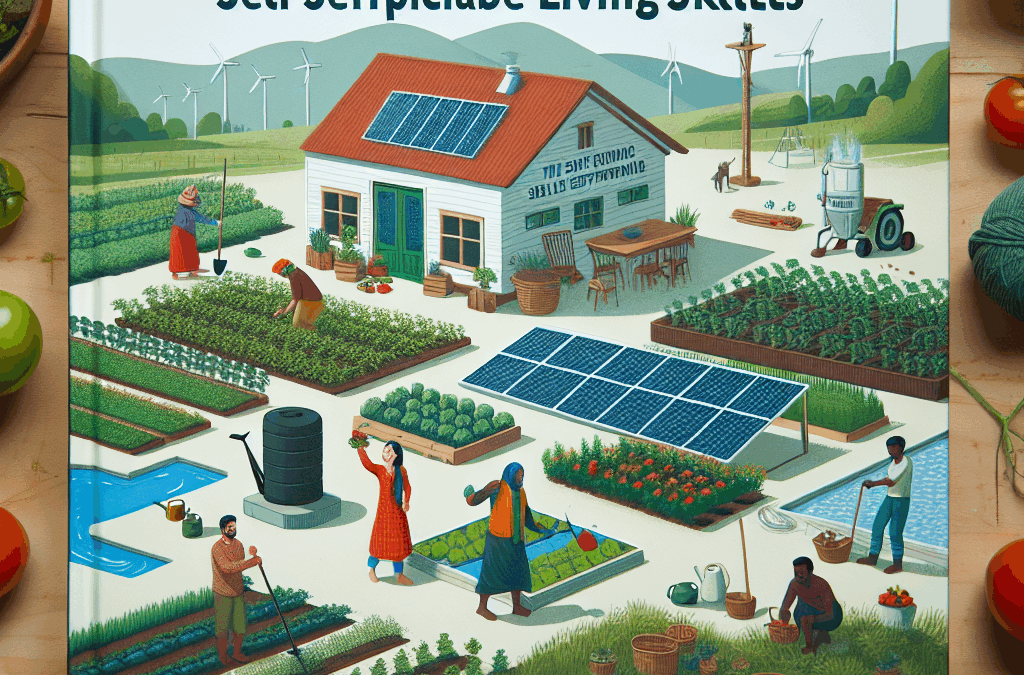
Table of Contents
- 1. Growing Your Own Food
- 2. Water Conservation Techniques
- 3. Installing Renewable Energy Systems
- 4. Food Preservation Methods
- 5. Composting and Waste Management
- 6. Basic Emergency and First Aid Skills
- 7. Automating Your Homestead
- 8. Homestead Security & Defense
- 9. Building Community and Bartering
- 10. Financial Self-Reliance and Investment
1. Growing Your Own Food
Start with a Garden and Cultivate Edible Plants
In 2025, cultivating your own food remains one of the most vital self sufficient living skills. A home garden allows you to reduce dependency on commercial food supplies, which can fluctuate due to supply disruptions. Starting a small vegetable garden in your backyard or even on a balcony can yield fresh produce almost year-round, depending on your climate.
Focus on hardy, nutrient-dense crops like spinach, kale, tomatoes, and herbs. These plants are relatively easy to grow and can be harvested multiple times in a season. Utilizing raised beds or permaculture techniques can boost yields and improve soil health over time.
Real-world example: many urban dwellers in 2025 are turning small spaces into thriving urban farms, demonstrating that anyone can develop meaningful self sufficient living skills by learning the basics of soil health and plant care.
Practicing Permaculture for Long-Term Sustainability
Permaculture principles help create a self-sustaining ecosystem within your garden. This approach prioritizes plant diversity, soil regeneration, and water efficiency. Implementing permaculture design elements, such as companion planting and rainwater harvesting, enhances your ability to grow food efficiently and with less intervention.
Adopting these practices not only increases your food security but also promotes ecological stability. Over time, permaculture can transform your property into a resilient food forest, a cornerstone of self sufficient living skills for 2025 and beyond.
Tip: Utilize local seed banks to preserve biodiversity and adapt crops to your specific environment.
2. Water Conservation Techniques
Implementing Rainwater Harvesting Systems
Water scarcity remains a concern in many regions as climate patterns shift in 2025. Learning how to collect and store rainwater can significantly reduce your reliance on municipal sources. Installing rain barrels or larger harvesting systems allows you to capture runoff from roofs, providing a free and sustainable water source for irrigation and household use.
According to the EPA, household rainwater harvesting can meet up to 50% of water needs in residential areas when implemented correctly. This self sufficient living skill helps lower costs and promotes independence.
Practical tip: Regularly test and treat stored rainwater to ensure safety for consumption and household use.
Practicing Water-Efficient Gardening
Adopting water-wise gardening practices is a must-have skill for 2025. Techniques such as drip irrigation, mulching, and selecting drought-tolerant plants help maximize water efficiency. These methods not only conserve water but also improve crop yields and reduce maintenance effort.
Research indicates that xeriscapingâa landscaping method designed to minimize water useâcan decrease outdoor water consumption by up to 70%. Itâs a smart investment for any aspiring self-sufficient home.
Actionable tip: Collect greywater from sinks and showers for garden irrigation, adhering to local regulations.
3. Installing Renewable Energy Systems
Solar Power for Residential Energy Needs
In 2025, installing solar panels is one of the most practical self sufficient living skills for reducing reliance on grid electricity. Solar technology has become more affordable and efficient, making it accessible to many homeowners.
A typical solar setup can cover the majority of your home’s energy consumption, especially if combined with energy-efficient appliances. Investing in battery storage ensures power availability even during cloudy days or at night, enhancing resilience.
Tip: Consult local incentives and rebates to offset installation costs and make the switch more affordable.
Wind and Micro-Hydro Options
In areas with consistent wind or flowing water, adding wind turbines or small hydro systems can diversify your renewable energy portfolio. These systems supplement solar energy and create a more resilient power network for your homestead.
By mastering these self sufficient living skills, you can move towards full off-grid independence, a key goal for many in 2025 seeking self-reliance.
External link idea: Learn more about renewable energy options from authoritative sources like the Department of Energy.
4. Food Preservation Methods
Effective Canning, Freezing, and Dehydrating Techniques
Preserving your harvest ensures food security throughout the year. Modern canning techniques, such as water bath and pressure canning, allow you to store fruits, vegetables, and even meats safely. Freezing remains a popular and straightforward method, especially with improved appliances in 2025.
Dehydrating foods using solar dryers or electric dehydrators is energy-efficient and extends shelf life without refrigeration. These skills are crucial for reducing waste and ensuring a steady food supply for self sufficient living.
Pro tip: Label your preserved foods clearly with dates to ensure freshness and rotation.
Fermentation and Storage
Fermentation is more than just making yogurt or sauerkrautâit develops beneficial probiotics and enhances food preservation. Mastering fermentation techniques adds variety to your diet and boosts gut health.
Additionally, understanding proper storage conditionsâcool, dark, and dryâis vital for maintaining the quality of preserved foods. As in 2025, knowledge about natural preservatives and safe storage practices remains a core self sufficient living skill.
Quick tip: Use fermentation to create probiotic-rich foods that support overall health in self-reliant lifestyles.
5. Composting and Waste Management
Setting Up Composting Systems
Turning organic waste into nutrient-rich compost is essential for maintaining healthy soil in your self sufficient lifestyle. Composting reduces waste sent to landfills and improves your garden productivity. In 2025, composting technology has advanced, allowing for quicker decomposition with less odor.
Starting a compost bin in your backyard or using worm composting (vermicomposting) can be managed easily with a little learning. These methods are eco-friendly and boost soil fertility naturally.
Pro tip: Use composting as an educational activity for children, instilling sustainable habits early.
Managing Waste Responsibly
Reducing, reusing, and recycling are fundamental self sufficient living skills. By minimizing waste, you decrease your environmental footprint and increase sustainability.
In 2025, innovative waste management strategies include compostable packaging and community recycling initiatives. Learning these practices helps you become more resilient and self-reliant.
Tip: Implement a zero-waste shopping plan and teach your household to adopt sustainable habits.
6. Basic Emergency and First Aid Skills
First Aid Training and Preparedness
Being prepared for emergencies is crucial for self sufficient living. Basic first aid skills, including wound care, CPR, and managing common injuries, can save lives in critical moments. With natural disasters becoming more frequent in 2025, preparedness is more important than ever.
Invest in a well-stocked first aid kit and take certified courses to ensure you’re ready. Keep emergency plans accessible and rehearse scenarios regularly.
Real-world tip: Building a network of neighbors with emergency skills can improve community resilience and self-reliance.

Self-Defense and Security Skills
Learning self-defense techniques and home security practices enhances protection for your homestead. Simple measures like secure locks, outdoor lighting, and alarm systems are vital components.
In addition, cultivating awareness and nonviolent conflict resolution skills can be invaluable. These self sufficient living skills foster a safer environment for your loved ones.
External resource idea: Review local self-defense classes and community safety workshops.
7. Automating Your Homestead
Smart Technologies and Automation Tools
Automation is transforming the way we manage self sufficient living. Smart irrigation systems, automated feeding for livestock, and climate control for greenhouses make managing a homestead easier and more productive in 2025.
By learning to install and program these systems, you can save time, reduce waste, and optimize resource usage. This skill is essential for scaling up self reliance efficiently.
Tip: Choose energy-efficient automation devices that integrate easily with renewable energy sources for maximum sustainability.
Building DIY Automation Projects
Learning how to build your own automation projects using microcontrollers like Arduino or Raspberry Pi opens endless possibilities. From rainwater sensors to soil moisture alerts, these DIY skills empower you to customize your homestead management.
Practicing these skills shifts you from reliance on expensive commercial systems to independent innovation. Many online communities and tutorials make DIY automation accessible in 2025.
Remember: Document your projects to troubleshoot and improve them over time.
8. Homestead Security & Defense
Creating Physical Barriers and Surveillance
Securing your homestead against intruders is a critical self sufficient living skill. Use fencing, natural barriers, and surveillance cameras to protect your property and loved ones. In 2025, forensic-compatible security tech makes monitoring more accessible and affordable.
Establishing clear protocols for visitors and neighbors can prevent misunderstandings and enhance safety.
Actionable tip: Regularly review and improve your security setup as your homestead evolves.
Community Defense Strategies
Building a network of trusted neighbors creates a resilient defense system through community watch groups and bartering. Sharing resources and information enhances collective security and self-sufficiency.
In times of crisis, mutual aid structures can become vital. Learning conflict resolution and cooperative tactics helps maintain peace and security.
Internal link idea: Connect with local homestead or sustainability groups for collaboration opportunities.
9. Building Community and Bartering
Neighborly Relationships and Skill Exchanges
The foundation of self sufficient living in 2025 is strong community ties. Bartering skills, sharing tools, and organizing local exchanges boosts resilience and reduces dependency on external markets.
Establishing farmerâs markets or skill-sharing groups encourages resourcefulness and fosters friendships that can support you through tough times. Building trust in your local network is a key self sufficient living skill.
Practical tip: Use social media or community boards to connect with nearby homesteaders and sustainability enthusiasts.
Developing Local Food and Resource Networks
Creating local cooperatives and seed exchanges ensures access to locally adapted crops and resources. This increases food security and promotes biodiversity.
In 2025, community networks also facilitate bulk buying of supplies, reducing costs and ensuring availability during shortages.
External link idea: Explore resources from national sustainable agriculture associations for guidance.
10. Financial Self-Reliance and Investment
Managing Personal Finances and Saving Strategies
Developing sound financial habits is vital for maintaining independence. Budgeting, saving, and investing wisely can fund your self sufficient living skills journey in 2025.
Incorporating skills like trading cryptocurrencies or investing in sustainable assets adds new income streams and enhances resilience against economic fluctuations.
Tip: Diversify your income sources to reduce risk and increase your ability to invest in homestead upgrades.
Learning to Invest in Self-Reliant Ventures
Investing in renewable energy, sustainable agriculture, or eco-friendly enterprises can turn your self reliance efforts into profit. Knowledge about grants, subsidies, and innovative funding options is an invaluable self sufficient living skill.
Research shows that in 2025, growing your wealth while expanding your self reliance capacity leads to greater independence and security.
Internal link idea: Check out financial planning tools tailored for sustainable living.
Frequently Asked Questions
1. Why are self sufficient living skills important in 2025?
As global supply chains face disruptions and environmental challenges increase, mastering self sufficient living skills helps individuals become resilient, reduce reliance on external systems, and promote sustainability.
2. What are the easiest self sufficient living skills to start with?
Starting with gardening, water conservation, and basic food preservation are some of the most accessible skills for beginners. They provide immediate benefits and lay a foundation for more advanced skills.
3. How can I learn self sufficient living skills effectively?
Utilize online courses, community workshops, and hands-on practice. Connecting with local homesteading groups and experts accelerates learning and provides support.
4. How do self sufficient living skills contribute to long-term sustainability?
They decrease dependency on external systems, promote eco-friendly practices, and foster community resilienceâkey factors for sustainable living in 2025 and beyond.
5. What practical tips can I implement immediately to improve my self reliance?
- Start a small vegetable garden
- Install rainwater harvesting systems
- Learn basic first aid and emergency skills
- Reduce household waste through composting
Conclusion
Mastering these 10 effective self sufficient living skills for 2025 empowers you to live more independently, sustainably, and resiliently. From growing your own food to managing renewable energy and building community networks, these skills are essential for navigating the challenges of the modern world. As we step into 2025, investing in self reliant capabilities ensures a secure and fulfilling lifestyle. Embrace these practices today and take control of your future!


