Table of Contents
- Introduction to the Self-Reliant Lifestyle Guide
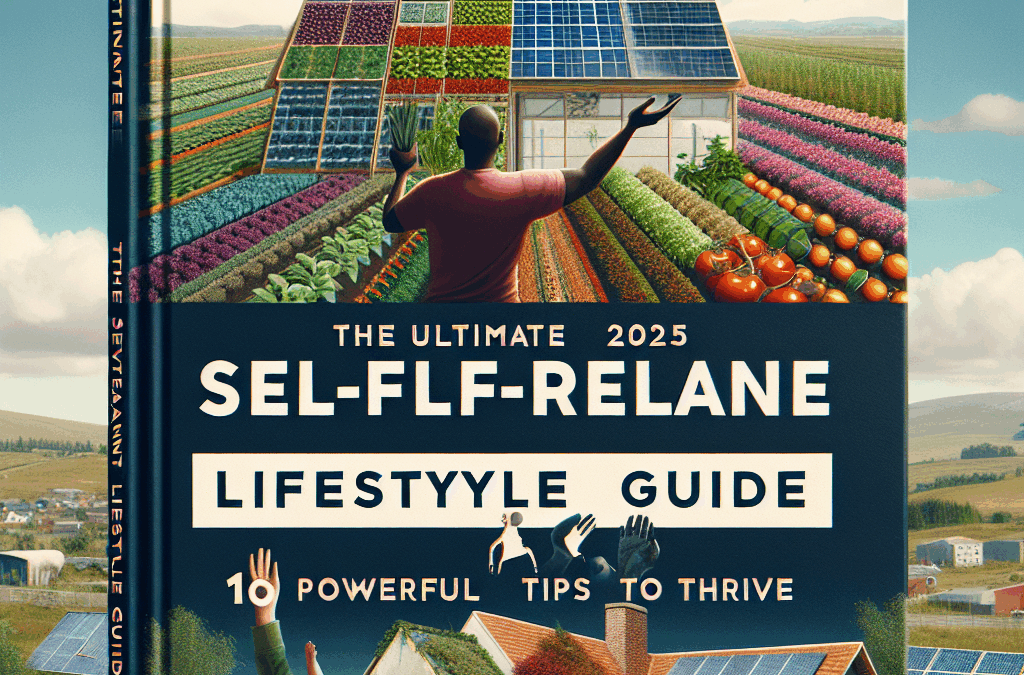
Welcome to the ultimate self-reliant lifestyle guide for 2025! As the world continues to evolve with increasing economic uncertainties, climate challenges, and technological shifts, embracing a self-reliant lifestyle has never been more valuable. Whether you’re aiming for financial independence, food security, or self-sufficient living, this guide will provide you with 2025âs most effective and practical tips to thrive confidently. Let’s explore the top strategies to build resilience, independence, and sustainability in your daily life.
1. Develop a Resilient Mindset
Understanding the Importance of Mental Resilience
In the journey toward self-reliance, mental resilience is the foundation. Facing uncertainties in 2025âsuch as economic fluctuations or environmental changesârequires a strong mindset. Cultivating resilience helps you adapt quickly and bounce back from setbacks.
Practicing mindfulness, meditation, and affirmations can bolster your mental strength. For example, dedicating just 10 minutes daily to mindfulness reduces stress and sharpens your focus, essential in unpredictable times. Resilient individuals view challenges as opportunities for growth rather than insurmountable obstacles.
Research indicates that resilient people are more proactive in problem-solving, which is critical for a self-reliant lifestyle. Building this resilience will prepare you to succeed regardless of external circumstances.
Strategies to Cultivate Resilience
Set realistic goals and maintain a flexible outlook. When plans changeâa common occurrence in 2025âadapting quickly minimizes frustration and keeps you moving forward. Joining local or online communities of self-reliant enthusiasts can also provide emotional support and share practical tips.
Regularly practicing gratitude shifts your focus from whatâs lacking to what you have, fostering a resilient mindset. The key is consistencyâincorporate resilience-building activities into your daily routine and reflect on your progress weekly.
By cultivating mental resilience, you’ll be better equipped to handle the inevitable ups and downs on your self-reliant journey.
2. Master Sustainable Food Production
Starting a Backyard Garden in 2025
Growing your own food is a cornerstone of a self-reliant lifestyle guide. In 2025, sustainable gardening is more accessible than ever thanks to innovative farming techniques like hydroponics and permaculture. Setting up a backyard garden allows you to reduce dependence on commercial supply chains.
Begin with easy-to-grow vegetables such as lettuce, spinach, and herbs. Using heirloom seed varieties ensures genetic diversity and resilience against pests or climate variations. Investing in organic compost and rainwater harvesting can maximize yield while minimizing costs.
Many communities now offer urban gardening workshops and resources, making it easier to learn effective eco-friendly methods. Consistent effort yields not only fresh produce but also fosters a connection with nature that enhances overall well-being.
Embracing Alternative Food Sources
In addition to traditional gardening, exploring microgreens, sprouting, and edible landscaping further diversifies your self-sufficient food system. These methods require minimal space and resources while offering quick, nutritious harvests.
Consider raising chickens or bees if local regulations permit. These small additions can provide eggs, honey, and natural pest control, all vital in a self-reliant lifestyle guide. As 2025 sees increased interest in regenerative farming, integrating such practices supports ecological balance and food security.
By mastering sustainable food production, you’ll reduce reliance on supermarket chains and enjoy healthier, fresher options directly from your own land.
3. Invest in Renewable Energy Systems
Solar Power for Self-Sufficient Energy
Transitioning to renewable energy sources is essential in 2025âs self-reliant lifestyle guide. Solar panels have become more affordable and efficient, making off-grid energy solutions accessible for many households. Installing a solar power system enables you to generate clean energy while decreasing utility bills.
Start with a comprehensive assessment of your energy needs and sun exposure. High-quality solar panels combined with battery storage can provide reliable power even during overcast days or at night. Government incentives and tax credits can significantly offset initial costs.

Furthermore, integrating portable solar chargers for appliances and devices increases flexibility. Practical applications include powering off-grid cabins, backup systems, or supplementing grid electricity during peak usage times.
Alternative Renewable Options
Wind turbines, small-scale hydroelectric setups, and geothermal systems are other viable options. Your choice depends on local climate and geographic conditions. For example, wind energy can be highly effective in windy regions and provides continuous power when properly maintained.
Investing in renewable energy aligns with the core principles of a self-reliant lifestyle guide: sustainability, independence, and energy security. Combining these systems ensures resilience against energy disruptions in 2025 and beyond.
4. Enhance Your Skill Set for Self-Sufficiency
Learning Practical Skills
In 2025, acquiring a broad range of practical skills is vital for a thriving self-reliant lifestyle. Focus on areas like carpentry, plumbing, basic electrical work, and natural remedies. These skills reduce dependence on professionals and save money.
Local community colleges and online courses provide accessible training options. Start with small projects like building a compost bin or repairing a faucet. Over time, expanding your skill set increases confidence and competence.
Practical skills also include food preservation techniques such as canning, dehydrating, and fermenting. Applying these methods ensures a steady food supply year-round, especially in unpredictable seasons.
Maintaining and Upgrading Equipment
Investing in quality tools and learning maintenance routines extend the life of your equipment. Regular inspections and proper storage prevent costly repairs and downtime.
Document your progress and troubleshoot issues using online tutorials or local expert advice. A diverse skill set not only boosts self-reliance but also enhances your ability to adapt to new situations with confidence.
By continuously improving your skills, you make your self-reliant lifestyle guide more sustainable and resilient in 2025.
Conclusion
Embracing a self-reliant lifestyle guide in 2025 isn’t just about survivingâit’s about thriving on your terms, reducing reliance on external systems, and aligning with a sustainable future. By developing resilience, mastering food production, investing in renewable energy, and expanding your skill set, you’ll empower yourself to face whatever challenges come your way with confidence. Remember, the journey toward complete self-sufficiency is ongoing, but every step forward makes you more autonomous and prepared for a prosperous future. Start today, and watch your independence grow!
Frequently Asked Questions
1. What is the best way to start a self-reliant lifestyle in 2025?
Begin by assessing your current resources and setting clear goals. Focus on developing key skills such as gardening, renewable energy use, and basic repair work. Gradually build your system of self-sufficiency with small, manageable projects.
2. How can I make my home more self-reliant in 2025?
Upgrade to renewable energy sources like solar panels, install rainwater harvesting systems, create a sustainable garden, and learn essential maintenance skills. These improvements will significantly enhance your homeâs independence.
3. Why is a self-reliant lifestyle guide important for 2025?
With increasing environmental and economic uncertainties, a self-reliant lifestyle guide offers practical strategies to ensure safety, sustainability, and resilience. It prepares you for a resilient future free from dependence on external systems.
4. Can I start small with self-sufficient living?
Absolutely! Beginning with simple projects such as container gardening or installing a compost bin can set the foundation. Small steps lead to bigger self-reliant accomplishments over time.
5. What resources are available for learning self-sufficiency in 2025?
Online courses, local workshops, community groups, and books focus on topics like permaculture, off-grid living, and renewable energy. Many resources are available to help you expand your knowledge and skills.