
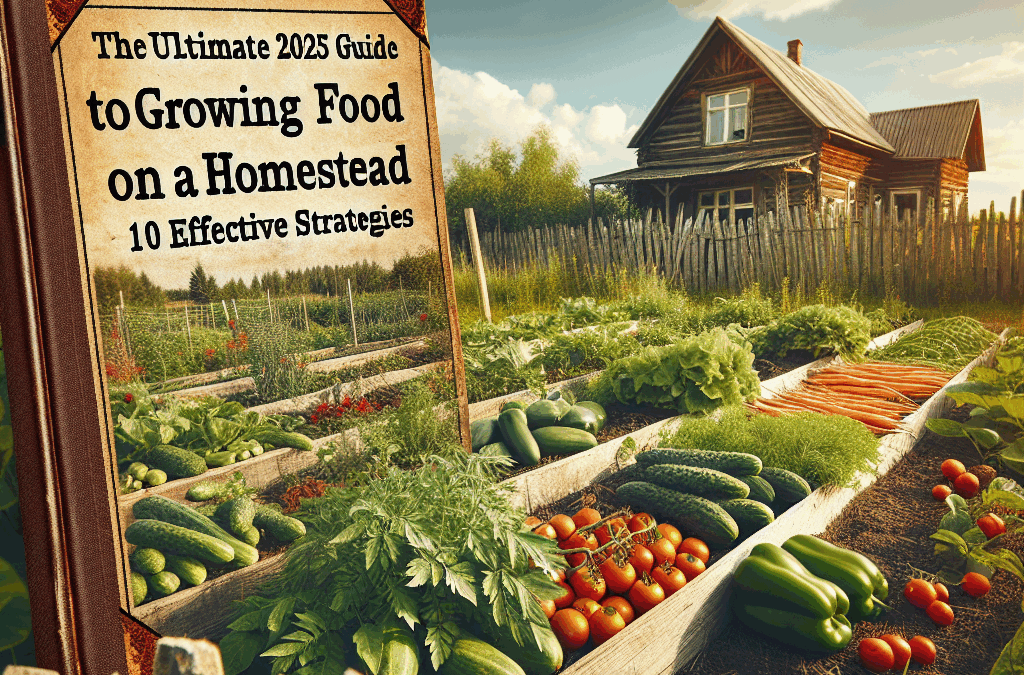
- Spring Preparation and Planting Strategies
- Summer Maintenance and Pest Control
- Autumn Harvest and Preservation Techniques
- Winter Planning and Off-Season Strategies
- Soil Fertility and Composting Tips
- Animal Husbandry for Year-round Production
- Water Conservation and Management
- Crop Rotation and Planning
- Investing in the Right Tools & Equipment
- Community Building and Continuous Learning
1. Spring Preparation and Planting Strategies
Starting Seeds Indoors and Planning Your Garden
Spring marks the beginning of the homesteading season, and it’s crucial to start your preparations early. I recommend starting your seeds indoors 6-8 weeks before the last frost date for 2025. This gives your plants a healthy head start and ensures a vigorous transplant into your garden. Use quality soil and containers to promote healthy root development. Proper timing now will maximize your harvest later in the season.
Plan your garden layout based on crop rotation principles and companion planting. This not only boosts yields but also reduces pest problems naturally. A well-thought-out plan helps you avoid overcrowding and makes harvesting more manageable. Remember, in 2025, climate trends show earlier springs, so adjust your planting schedule accordingly.
Combine seed-starting with soil testing to ensure optimal pH and nutrient levels. A soil test can reveal deficiencies or excesses and guide amendments. Healthy soil is fundamental for a bountiful harvest, so investing in quality soil amendments now pays off later. Regular monitoring helps you stay ahead of pests and diseases that might emerge as the weather warms.
Utilizing Season Extension Methods
To maximize your spring effort, consider season extension techniques like cold frames, row covers, and greenhouses. These methods protect seedlings from unexpected frosts and promote faster growth. For example, a simple cold frame can extend your growing season by a few weeks, allowing you to get an early start and increase your 2025 harvest.
Incorporate mulch and soil warming techniques to improve plant growth and prevent soil moisture loss. In recent studies, season extension methods have shown to increase yields by up to 20% for certain crops. As climate variability increases, adapting these practices will be vital for consistent success each year.
Tip: Use Organic Fertilizers for Healthy Plants
Spring is the perfect time to enrich your soil with organic fertilizers like compost tea, fish emulsion, or aged manure. These provide essential nutrients without the risk of chemical buildup. Well-fed plants grow stronger and resist pests better, leading to a more productive season in 2025.
2. Summer Maintenance and Pest Control
Monitoring Crops Regularly
Summer is when your homestead truly comes alive, but it also brings challenges like pests and diseases. Regularly inspecting your crops helps catch problems early. For example, check for signs of aphids, beetles, or fungal infections every few days to prevent outbreaks.
Implementing integrated pest management (IPM) strategies reduces reliance on chemicals. Introducing beneficial insects such as ladybugs and predatory beetles cannaturally keep pest populations in check. Data from 2025 indicates that eco-friendly pest control methods can boost yields by up to 15%, making them essential for sustainable homesteading.
Use row covers and companion planting as physical barriers and natural deterrents. Keep weeds under control, as they can harbor pests and compete for nutrients. Maintaining healthy, vigorous plants is your best defense against summer pests.
Watering Wisely and Conserving Resources
Proper watering is critical during hot summer months. Use drip irrigation or soaker hoses to deliver water directly to roots, reducing evaporation. Mulching around plants also helps retain soil moisture and suppress weeds.
Consider collecting rainwater through barrels to reduce your dependence on municipal water sources. Efficient watering practices conserve resources and save money while keeping your crops healthy.
3. Autumn Harvest and Preservation Techniques
Timing Your Harvest for Maximum Quality
Autumn is the season to reap what you’ve sown, and timing your harvest is essential. Use a calendar to track the maturity dates of your crops, and harvest at peak ripeness for flavor and nutrition. For instance, tomatoes and squash should be picked when fully colored and firm.
Delayed harvesting can lead to spoilage or pest damage, so keep a regular schedule. In 2025, increased temperature swings mean you need to be more vigilant about monitoring your crops’ readiness.
Harvesting during the right window preserves the best flavor and nutritional value, helping you maximize your bounty and prepare for the winter months ahead.
Preservation Methods to Extend Your Harvest
Effective preservation techniques like canning, freezing, and drying ensure your harvest lasts into the winter. Consider investing in a quality pressure canner or dehydrator to process large batches of food efficiently.
Implementing fermentation, such as making sauerkraut or kimchi, can add variety and probiotic benefits to your diet. Proper storage conditionsâcool, dark, and dryâare critical to prolong shelf life and maintain quality.
4. Winter Planning and Off-Season Strategies
Designing a Year-round Homestead
Winter is a great time to plan for the upcoming season. Review this year’s successes and challenges to refine your strategies. Draft crop plans, order seeds, and prepare structures like greenhouses for extended growing seasons.
Utilize off-season months for skill-building, such as learning to make herbal remedies or woodworking for homestead projects. Community workshops and online courses are excellent resources in 2025 for expanding your knowledge base.
Stockpile supplies like seeds, soil amendments, and preservation tools to avoid shortages during the busy months ahead. Proper winter planning ensures a seamless transition into the new year.
Keeping Livestock Healthy in Cold Months
Ensure your animals are protected from cold weather by providing adequate shelter and fresh water. Supplement their diet with extra energy-rich feeds if needed, as winter forage may be limited.
Regular health checks and preventive care help avoid illnesses and ensure your animals contribute effectively to your homestead all year. Planning ahead minimizes winter losses and maintains productivity.
5. Soil Fertility and Composting Tips
Building and Maintaining Healthy Soil
Healthy soil is the foundation of a productive homestead. In 2025, focus on organic methods like crop rotation, cover cropping, and composting. These practices replenish soil nutrients naturally and reduce chemical dependency.
Incorporate diverse organic matter into your soil to improve structure and water retention. Mulching not only conserves moisture but also feeds microorganisms vital for soil health.
Testing your soil annually allows you to tailor amendments precisely, avoiding deficiencies and over-fertilization that can harm your plants and environment.
Effective Composting Techniques
Composting organic waste reduces landfill contributions and produces valuable fertilizer. Turn your compost regularly and balance green (nitrogen-rich) and brown (carbon-rich) materials. Compost thermometers help ensure optimal temperatures for microbial activity.
In 2025, innovative composting methods like vermiculture and Bokashi fermentation can speed up process times and increase nutrient content. These methods are easy to incorporate into your homestead routines and enhance overall productivity.
6. Animal Husbandry for Year-round Production
Maintaining Happy and Healthy Livestock
Good animal care is vital for productive homesteading. Ensure your animals have appropriate shelter, clean water, and nutritious feed. Seasonal adjustments, such as extra bedding or heat lamps, help animals thrive in colder months.
Implement rotational grazing to maintain pasture health and reduce parasite loads. Regular health checks and vaccinations prevent disease outbreaks, which can be costly and disruptive.
In 2025, using sustainable practicesâlike integrating chickens for pest control or dairy goats for milkâcan enhance your homestead’s self-sufficiency and resilience.

Breeding Considerations for Continuous Supply
If you’re breeding animals, plan your breeding calendar to optimize production cycles. Keep detailed records to track lineage, health, and productivity. Proper timing ensures your homestead benefits from offspring without overextending resources.
Selective breeding focusing on disease resistance and productivity can lead to more resilient herds and flocks in 2025. Thoughtful planning here reduces costs and increases yields.
7. Water Conservation and Management
Designing Efficient Water Systems
With changing climate patterns in 2025, water conservation remains essential. Installing drip irrigation, soaker hoses, or rainwater harvesting systems minimizes waste and ensures your plants receive consistent moisture.
Mulching reduces evaporation and keeps soil moisture steady during hot spells. Covering your water containers helps prevent mosquito breeding and keeps water clean.
Look for opportunities to recycle greywater for garden use, making your homestead more sustainable and resilient in periods of drought.
Monitoring and Maintaining Water Systems
Regular maintenance of your water systems prevents leaks and contamination. Using timers and sensors can optimize watering schedules, saving energy and resources.
In 2025, smart water management tools and weather-based irrigation controllers make it easier to conserve water without sacrificing crop health. These practices help buffer the impacts of climate variability and droughts.
8. Crop Rotation and Planning
Benefits of Crop Rotation
Implementing a crop rotation plan prevents soil depletion and reduces pest and disease buildup. Alternate different plant families each season, such as legumes, cole crops, and root vegetables to balance nutrient use.
Proper planning in 2025 involves using digital tools or garden journals to track rotations and plan ahead. This strategic approach maintains soil fertility and boosts yields over time.
Rotating crops also minimizes the need for chemical inputs, aligning with sustainable homesteading principles.
Integrating Cover Crops
Cover crops like clover, vetch, or rye can fix nitrogen, prevent erosion, and improve soil structure. Plant them in the fall or during fallow periods to prepare your soil for spring.
In 2025, cover cropping is gaining popularity among homesteaders for its environmental benefits and ability to increase productivity in subsequent planting seasons.
9. Investing in the Right Tools & Equipment
Essential Tools for a Successful Homestead
Quality tools save time and effort, especially during busy seasons. Invest in durable shovels, pruners, hoes, and watering equipment. Ergonomic designs reduce strain and increase accuracy.
Modern tools, such as electric tillers or compost turners, can speed up routine tasks and improve efficiency in 2025. Consider tools that are eco-friendly and energy efficient to align with sustainability goals.
Maintain your tools regularly to prolong their lifespan and ensure safety during operation.
Technology and Automation
Smart gardening devices, weather sensors, and automated irrigation systems are becoming more accessible and affordable. These technologies optimize resource use and improve crop yields.
Assess your homestead’s needs and budget to incorporate technology that will provide the best ROI. Staying updated on 2025 innovations ensures you’re using the most effective tools available.
10. Community Building and Continuous Learning
Connecting with Fellow Homesteaders
Building a community network provides support, ideas, and shared resources. Join local gardening clubs, online forums, or attend workshops. Sharing experiences can help you troubleshoot issues faster.
In 2025, digital platforms like social media groups foster global connections, allowing for the exchange of innovative seasonal homesteading tips and practices.
Collaborate on seed swaps, co-op purchasing, or community gardens to increase your chances of a successful harvest.
Investing in Education for Better Results
Continuously expanding your knowledge through books, webinars, and courses keeps your skills sharp. Learning about new techniques or crop varieties can drastically increase your yields in 2025.
Stay updated on the latest research and trends in sustainable agriculture. This proactive approach ensures your homestead remains resilient and productive each season.
Conclusion
Successfully navigating the seasons with effective homesteading practices is key to maximizing your 2025 harvest. By applying these seasonal homesteading tips, you’ll optimize planting, maintenance, preservation, and animal care throughout the year. Remember, the secret to a bountiful harvest lies in preparation, adaptability, and continuous learning. Embrace these strategies and enjoy a thriving, sustainable homestead in 2025 and beyond!
Frequently Asked Questions about Seasonal Homesteading Tips
1. How can I start implementing seasonal homesteading tips in 2025?
Begin by planning your year-round schedule based on regional climate patterns, and incorporate practices like soil testing, seed starting, and crop rotation. Small incremental efforts can lead to significant improvements over time.
2. What are some effective pest control methods for summer?
Use beneficial insects, physical barriers like row covers, and organic pesticides when necessary. Regular monitoring and healthy plant growth are also crucial to reduce pest issues naturally.
3. Why is soil fertility important in seasonal homesteading?
Healthy, nutrient-rich soil directly impacts crop yields and plant health. Using compost, cover crops, and crop rotation improves soil fertility, leading to better harvests each season.
4. How do I preserve my harvest for winter?
Methods like canning, freezing, drying, and fermenting extend your harvestâs shelf life. Proper storage conditions preserve flavor and nutrients, allowing you to enjoy your bounty year-round.
5. Can community resources help improve my homesteadâs success?
Absolutely! Connecting with local homesteaders, attending workshops, and sharing resources can provide valuable insights and support, making your seasonal homesteading tips even more effective.


