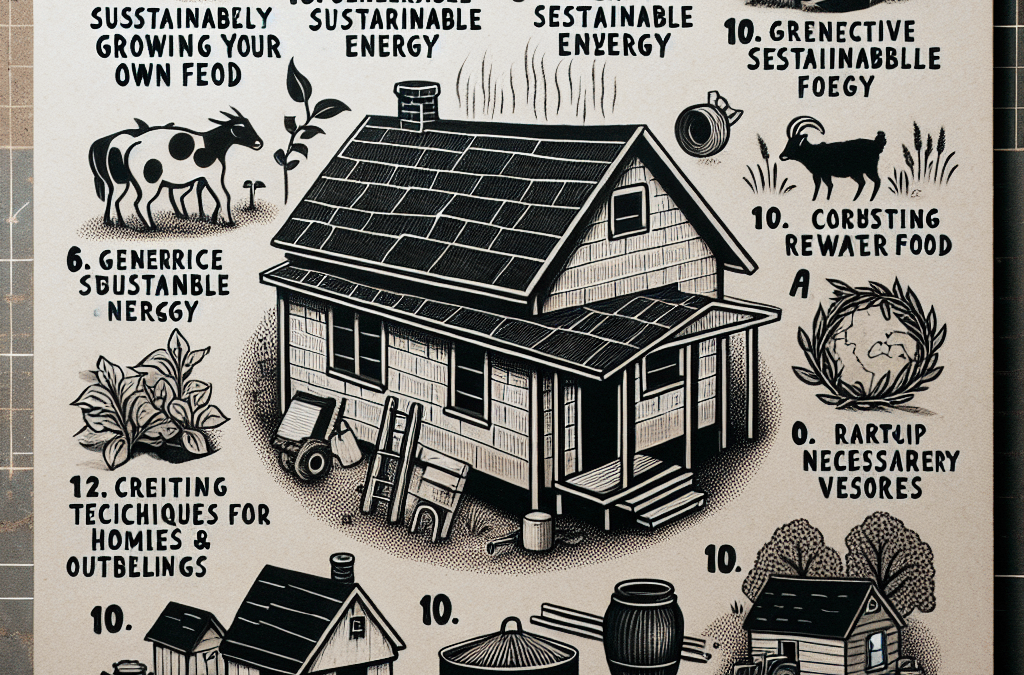
- 1. Embrace Sustainable Food Production
- 2. Invest in Renewable Energy Solutions
- 3. Implement Water Conservation and Management
- 4. Build and Maintain Quality Shelter
- 5. Cultivate a Diverse Garden for Food Security
- 6. Incorporate Livestock for Self-Sufficiency
- 7. Use Modern Technology to Improve Efficiency
- 8. Develop a Community Support Network
- 9. Plan for Long-Term Sustainability
- 10. Stay Educated and Adaptive
1. Embrace Sustainable Food Production
Building a Resilient Food System
The backbone of a successful rural homesteading lifestyle in 2025 is sustainable food production. Growing your own fruits, vegetables, and herbs ensures you have access to fresh, nutritious food while reducing reliance on commercial supply chains. Incorporating permaculture principles can help create a resilient and productive system that regenerates itself over time.
Many homesteaders are now adopting practices such as composting, crop rotation, and mulching to improve soil health. These methods not only enhance crop yields but also promote environmental sustainability. For instance, in 2025, innovative composting techniques like bokashi are gaining popularity, allowing faster decomposition and nutrient-rich humus.
Practical tips include starting with easy-to-grow crops suited to your climate and expanding as you learn. Container gardening and raised beds are excellent options for limited spaces. Remember, a diversified garden minimizes risks and ensures year-round harvests, crucial for sustaining the rural homesteading lifestyle.
Community Supported Agriculture (CSA) & Sharing Resources
In 2025, participating in or establishing local CSA programs can complement your homestead efforts. These programs foster community resilience and reduce waste by sharing surplus produce. Additionally, exchanging seeds, tools, and knowledge with nearby homesteaders can significantly boost your productivity.
Joining farmers’ markets or local co-ops provides access to broader markets for your products while supporting local economies. This community-centered approach is integral to thriving within the rural homesteading lifestyle.
2. Invest in Renewable Energy Solutions
Harnessing Solar and Wind Power
Renewable energy is a game-changer for rural homesteaders in 2025. Installing solar panels can significantly reduce electricity bills and provide reliable power even in remote areas. Wind turbines, especially in windy regions, can complement solar systems and ensure a steady energy supply.
Affordable and efficient technology has made these solutions accessible for fair-sized homesteads. Installing battery storage units allows storing excess energy produced during the day for nighttime use, ensuring your homestead remains off-grid and self-sufficient.
Consider consulting with renewable energy specialists to tailor a setup suitable for your location and budget. Transitioning to renewable energy aligns with the core of the rural homesteading lifestyleâliving harmoniously with nature and minimizing environmental impact.
Energy Efficiency and Conservation Strategies
Beyond investing in renewable sources, adopting energy-efficient appliances, LED lighting, and insulating your home can drastically cut energy consumption. In 2025, smart home technology offers tools to monitor and manage energy use remotely, making conservation easier.
Simple habits like using cold water for laundry and ensuring the home is well-sealed can further reduce your energy footprint. These small yet impactful steps enhance your farmâs sustainability and reduce operational costs over the long term.
3. Implement Water Conservation and Management
Rainwater Harvesting & Storage
Water management is critical for a sustainable rural homesteading lifestyle in 2025. Installing rainwater harvesting systems allows you to collect and store rainwater for irrigation, livestock, and household use. Proper filtration ensures water quality and reduces dependence on municipal sources.
Make sure your catchment systems are correctly designed and maintained for maximum efficiency. In drought-prone areas, this setup can sustain plants and animals, ensuring productivity regardless of rainfall variability.
Recent innovations like modular rainwater tanks and underground storage solutions make collection easier and more organized, fitting seamlessly into your homestead setup.
Water Conservation Tips for Daily Use
Practicing water conservation extends to daily routines. Using drought-tolerant plants, drip irrigation, and mulching conserves water naturally. Implementing graywater recycling for irrigation helps reduce freshwater needs even further.
In 2025, smart irrigation controllers that respond to weather conditions are becoming affordable, allowing you to optimize water usage without manual intervention. These practices are vital for maintaining a resilient, sustainable homesteading lifestyle.
4. Build and Maintain Quality Shelter
Choosing the Right Building Materials
Building durable, energy-efficient shelters tailored to your climate is essential for a rural homesteading lifestyle in 2025. Natural and recycled materials like straw bale, cob, or reclaimed wood are environmentally friendly options that provide excellent insulation and reduce costs.
Consider passive solar design principles to harness sunlight for heating, reducing energy needs during colder months. Proper insulation and ventilation improve comfort and lower utility bills.
Invest time in site selection and craftsmanship, ensuring your home can withstand weather extremes common in your region, such as storms or heavy snowfall.
Maintenance and Upgrades for Longevity
Regular maintenance is key to prolonging shelter lifespan and performance. In 2025, smart sensors and home monitoring systems can alert you to issues like leaks or insulation failures early on.
Upgrading windows, doors, and roofing materials enhances energy efficiency and resilience. Keep your homestead warm in winter and cool in summer by sealing drafts and adding insulation as needed.
Creating a safe and comfortable habitat is fundamental to thriving in the rural homesteading lifestyle long-term.
5. Cultivate a Diverse Garden for Food Security
Planting for Climate Resilience
A diverse garden is vital for a resilient, sustainable homestead in 2025. Incorporate heirloom varieties and native plants that thrive in your local climate, reducing inputs and ensuring better yields.
Mixing vegetables, fruits, and herbs creates a stable food source that adapts to seasonal and climate variations, protecting you from crop failures.
Implementing crop rotation and companion planting improves soil health and pest control naturally, reducing chemical use and supporting a healthy ecosystem.
Maximizing Space with Permaculture
Permaculture principles design your garden to mimic natural ecosystems, optimizing space and productivity. Key concepts include guild planting and zone planning to enhance resource sharing and efficiency.
Vertical gardening and raised beds increase growing area without requiring more land, ideal for small or irregularly shaped properties.
Training yourself to observe and adapt to your gardenâs patterns promotes long-term sustainability in the rural homesteading lifestyle.
6. Incorporate Livestock for Self-Sufficiency
Choosing the Right Animals
Livestock such as chickens, goats, and bees complement your homesteading efforts by providing eggs, milk, honey, and compost. Selecting animals suited to your climate and available space is crucial for success.
Example: Chickens are easy to raise and provide eggs and pest control. Goats offer milk and land clearing, while bees support pollination and honey production.
Proper care and management maximize productivity and animal well-being, contributing significantly to your rural homesteading lifestyle.
Keeping Livestock Healthy & Productive
Maintain clean, stocked, and spacious enclosures, and ensure access to clean water and nutritious feed. Regular health checks and vaccinations prevent disease outbreaks.

In 2025, sustainable and organic practices are increasingly popular for livestock care, reducing chemical use and promoting animal welfare.
By integrating livestock into your homestead system, you create a reliable source of food and fertility, reinforcing your self-sufficient rural homesteading lifestyle.
7. Use Modern Technology to Improve Efficiency
Smart Homesteading Tools
Technological advances in 2025 make managing a rural homestead more efficient than ever. Apps and devices for soil testing, weather forecasting, and automation streamline chores and planning.
Example tools include soil moisture sensors, automated watering systems, and harvest tracking apps, which save time and increase productivity.
Implementing these tools helps you stay ahead of challenges and optimize your resources effectively.
Data-Driven Farming & Monitoring
Data collection and analysis allow precise decision-making, reducing waste and increasing yields. Drones and remote sensing technologies can monitor large areas quickly, identifying problem spots early.
Smart sensors can alert you about power outages, water shortages, or pest invasions, enabling swift responses that maintain your homesteading flow.
This integration of modern technology is vital for maintaining an efficient, sustainable, rural homesteading lifestyle in 2025.
8. Develop a Community Support Network
Building Local Connections
The rural homesteading lifestyle benefits greatly from strong community ties. Sharing resources, knowledge, and labor reduces individual burdens and fosters resilience.
Local homesteading groups, co-ops, and online forums provide support, advice, and a sense of belonging. Collaborating on bulk purchases, seed exchanges, and skill-sharing enhances self-sufficiency.
Participating in community events and workshops can keep you updated on new techniques and trends, making your homestead more adaptable.
Sharing Skills & Resources
Teaching and learning from neighbors creates a rich knowledge base. For example, a skill swapâsuch as gardening in exchange for carpentryâcan be mutually beneficial.
Pooling resources like equipment and bulk supplies reduces costs. Establishing local barter systems reinforces community bonds and the rural homesteading lifestyle’s sustainability.
In 2025, strong local networks are essential for thriving in the challenging yet rewarding world of rural homesteading.
9. Plan for Long-Term Sustainability
Soil Health & Fertility
Maintaining healthy soil is fundamental for long-term success. Practices such as composting, cover cropping, and minimal tillage preserve nutrients and improve structure.
Rotating crops prevents soil depletion, ensuring your garden remains productive year after year. Incorporating natural amendments like biochar can further enhance fertility.
This focus on soil health aligns with the core principles of the rural homesteading lifestyleâliving sustainably within natureâs limits.
Financial Planning & Self-Reliance
Creating a workable budget and income plan helps build financial resilience. Diversifying income streamsâsuch as selling produce, crafts, or offering servicesâcan stabilize your efforts.
Investing in durable tools and infrastructure reduces long-term costs and provides peace of mind. Planning for emergencies and future needs based on trends in 2025 ensures your homestead remains sustainable.
Strategic long-term planning secures your lifestyle, supporting self-reliance and environmental harmony.
10. Stay Educated and Adaptive
Continual Learning & Skill Development
The pace of innovation in 2025 offers endless opportunities to enhance your homesteading skills. Attending workshops, online courses, and field days keeps you updated on the latest techniques.
Reading publications, joining forums, and networking with experienced homesteaders expand your knowledge base. Being adaptable and open to trying new methods ensures ongoing success.
Education empowers you to refine your approach and tackle challenges effectively, vital in thriving within the rural homesteading lifestyle.
Adapting to Climate & Market Changes
Climate patterns are shifting, and markets evolve. Staying informed allows you to adjust your practices for maximum resilience. For example, shifting planting dates or crop varieties can mitigate climate impacts.
Developing new products or services based on market demand helps sustain your income and resources. Flexibility and proactive planning are hallmarks of an effective rural homesteading lifestyle in 2025.
Conclusion
Embracing these 10 effective strategies can significantly enhance your success in the rural homesteading lifestyle in 2025. From sustainable food production and renewable energy to community building and ongoing education, each element contributes to a resilient and fulfilling way of life. Staying adaptable and committed to continuous improvement ensures you not only survive but thrive in your rural homestead. Remember, the key is integrating modern innovations with timeless homesteading values, creating a sustainable future rooted in self-sufficiency and harmony with nature.
Frequently Asked Questions
1. What is the rural homesteading lifestyle?
The rural homesteading lifestyle involves self-sufficient living on a rural property, focusing on sustainable food production, renewable energy, and resource management to minimize dependence on outside systems.
2. How can I start implementing sustainable practices on my homestead in 2025?
Begin by assessing your soil health, planting a diverse garden, investing in renewable energy, and connecting with local communities. Small steps towards sustainability build over time into a resilient system.
3. What modern technologies are most helpful for rural homesteaders in 2025?
Smart sensors, automated irrigation, renewable energy systems, and online learning platforms are some of the top technologies that help improve efficiency and sustainability for homesteaders today.
4. How do I keep my livestock healthy and productive?
Provide proper shelter, nutritious feed, regular health checks, and vaccination. Keeping records and practicing organic or sustainable livestock management enhances overall productivity and animal welfare.
5. Why is community support important in rural homesteading?
Community networks facilitate resource sharing, skill development, emotional support, and economic stability, making the rural homesteading lifestyle more sustainable and enjoyable in 2025.