Table of Contents
- 1. Mastering Solar Power Systems
- 2. Sustainable Water Collection and Management
- 3. Growing Food Off the Grid
- 4. Waste Management and Composting
- 5. Building Off-Grid Shelter and Infrastructure
- 6. Maintaining Off Grid Homestead Life with Renewable Energy
- 7. Preserving Food Without Power
- 8. Off Grid Communication and Security Measures
- 9. Planning for Emergencies and Resilience
- 10. Community and Networking Opportunities
1. Mastering Solar Power Systems
Optimizing Solar Panel Placement
In 2025, off grid homestead life heavily depends on renewable energy, with solar power taking center stage. To maximize efficiency, proper placement of solar panels is crucial. Ensure panels face true south in the Northern Hemisphere and avoid shading from trees or structures throughout the day. Adjusting tilt angles seasonally can increase energy capture by up to 25%, according to recent research.
Investing in high-quality panels and tracking systems can significantly boost your energy output. With the advancement of technology, flexible and lightweight panels are now more durable and easier to install, which is a game-changer for off-grid homesteaders.
Practical tip: Conduct annual inspections of your solar setup and keep panels clean to maintain optimal performance. Tracking your energy production with monitoring systems helps identify inefficiencies early and ensures continuous power supply for your off grid homestead life.
Storage Solutions for Reliable Power
Battery storage plays a pivotal role in ensuring your homestead remains powered during cloudy days or at night. Lithium-ion batteries are now more affordable and have longer lifespans than ever before, making them ideal for off-grid applications in 2025.
Consider at least a 3-5 day backup capacity to handle various weather scenarios. Proper management and regular maintenance of your battery bank increase longevity and efficiency, helping you sustain off grid homestead life smoothly.
Pro tip: Incorporate inverter systems that can convert DC to AC efficiently, reducing energy loss and ensuring your home appliances run smoothly without mains power.
2. Sustainable Water Collection and Management
Rainwater Harvesting Systems
Water is vital for off grid homestead life, and harvesting rainwater effectively can meet most of your needs. Modern rainwater collection systems in 2025 are more efficient and affordable, with modular setups suitable for various property sizes.
Install list includes gutters, filters, and storage tanks, preferably made of food-grade materials. Over-sizing your storage can ensure a reliable water supply during dry months, which is essential for sustainable living.
Tip: Regularly test and treat your rainwater to ensure safety. Incorporating UV purification or small-scale filtration units keeps water safe for household use and gardening.
Water Purification and Conservation
Since off grid homestead life often involves limited water sources, conservation is vital. Use efficient fixtures, and practice greywater recycling for irrigation. Solar-powered water pumps are now more efficient, reducing your energy footprint.
Collecting groundwater with hand-driven or solar-powered pumps can supplement rainwater harvests, especially in drought-prone areas. Properly managing your water resources ensures resilience and independence.
3. Growing Food Off the Grid
Permaculture and Food Forests
Designing your homestead with permaculture principles increases food security. Creating food forests that mimic natural ecosystems allows for low-maintenance, sustainable food production in 2025.
Plant diversified cropsâfruits, nuts, perennial vegetablesâthat thrive together, reducing pest issues and improving soil health. Combining traditional gardening with forest gardening techniques can maximize yields.
Tip: Start small with high-yield plants like berries and perennial herbs. Invest in soil testing and composting to improve productivity.
Seasonal Growing and Preserving
Understanding seasonal cycles and planting accordingly ensures year-round food availability. Use cold frames, greenhouses, or compost-heated beds to extend your growing season, especially in northern climates.
Preserving surplus produce through canning, dehydration, and fermenting allows your off grid homestead life to thrive without reliance on store-bought foods.
4. Waste Management and Composting
Composting Toilets and Human Waste Management
In 2025, composting toilets are mainstream for off grid homestead life, providing a sustainable alternative to septic systems. Modern composting toilets are odor-free, easy to use, and environmentally friendly.
Proper management of human waste transforms it into valuable compost, reducing water use and preventing contamination. Choose systems with ventilation and aerobic decomposition features for best results.
Tip: Regularly monitor temperature and moisture levels to optimize composting and ensure pathogen reduction.
Organic Waste Recycling
All organic waste, including kitchen scraps and yard waste, should be composted or mulched. This enriches your soil, reducing the need for purchased fertilizers, and keeps your homestead sustainable.
Using worm composting (vermiculture) can process food scraps quickly and produce high-quality natural fertilizer, perfect for off grid planting beds.
5. Building Off-Grid Shelter and Infrastructure
Eco-Friendly and Low-Cost Construction
In 2025, off grid homestead life benefits from innovative building techniques like earthbag, strawbale, and cordwood homes. These methods are affordable, sustainable, and excellent insulators.
Building with natural and recycled materials minimizes environmental impact and can significantly reduce costs. Proper insulation and passive solar design improve energy efficiency and occupant comfort.
Tip: Collaborate with local builders experienced in eco-construction for best results and guidance.
Self-Sufficient Infrastructure Planning
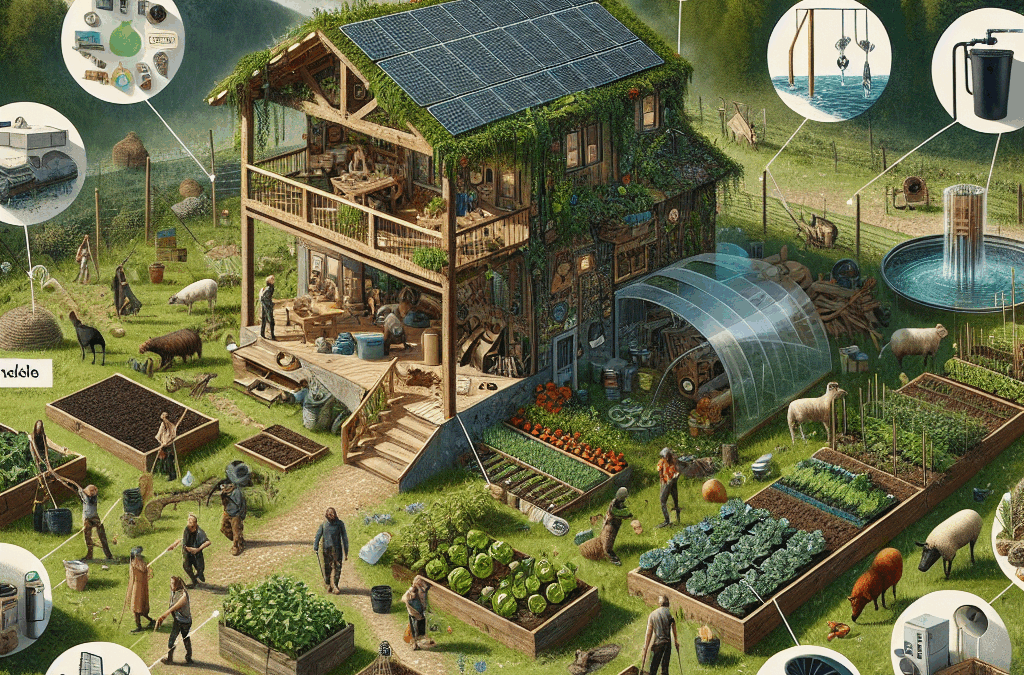
Design your homestead to be self-sufficient, with strategic placement of solar, water, and sewage systems. Modular, scalable infrastructure supports future growth and flexibility.
Implement rainwater catchment, composting toilets, and renewable energy systems cohesively for a resilient off grid homestead life in 2025.
6. Maintaining Off Grid Homestead Life with Renewable Energy
Energy-Efficient Appliances and Devices
Choosing appliances designed for low energy consumption is critical. In 2025, many companies offer off grid-compatible appliances that run efficiently on limited power supplies.
LED lighting, energy-efficient refrigerators, and small appliances like solar-powered fans can make everyday life manageable without grid access.

Tip: Use timers and smart controllers to limit power usage and extend your energy resources.
Backup Systems and Redundancy
Plan for backup energy sources such as small wind turbines or portable generators to ensure reliability. While solar is dominant, diversifying your power sources enhances resilience against weather variability.
Conduct regular maintenance and system tests to maximize lifespan and performance of your renewable energy infrastructure.
7. Preserving Food Without Power
Traditional and Modern Preservation Methods
Dehydrating, fermenting, and curing are timeless methods that work efficiently off the grid. In 2025, electric dehydrators are complemented by solar dryers, reducing dependency on electricity.
Fermentation techniques, such as making sauerkraut and kimchi, provide probiotic-rich preserved foods that require no electricity and boost your gut health.
Tip: Label and store preserved foods properly for long-term storage and easy access.
Cold Storage Alternatives
Using root cellars or underground coolers can keep perishables fresh without electricity. Modern insulated coolers with evaporative cooling are another effective solution.
Investing in these storage options reduces spoilage and saves money, enabling you to enjoy fresh produce well beyond harvest season.
8. Off Grid Communication and Security Measures
Satellite and Radio Communication
Reliable off grid communication is vital for security and staying connected. Satellite phones and radios like ham radio setups provide dependable coverage in remote areas in 2025.
Regularly test equipment and build relationships with local ham radio operators to strengthen communication channels during emergencies.
Pro tip: Keep backup batteries and solar chargers for communication devices to ensure constant readiness.
Homestead Security Strategies
Implement security measures such as perimeter fencing, surveillance cameras, and motion sensors. Natural barriers like thorny hedges enhance security without synthetic materials.
Build community networks with nearby homesteaders for mutual support, creating a resilient neighborhood off grid homestead life.
9. Planning for Emergencies and Resilience
Disaster Preparedness Kits
Prepare comprehensive emergency kits with first aid supplies, food, water, and essential tools. In 2025, consider adding renewable power backups and communication devices.
Regular drills and reviews of your plans ensure everyone knows what to do during crises, be it natural disasters or technical failures.
Community Resilience and Mutual Support
Build relationships with neighboring homesteaders to exchange resources and information. Shared skills, like first aid or construction, strengthen your collective resilience.
Creating local barter systems and information exchanges ensures you’re prepared for unpredictable emergencies.
10. Community and Networking Opportunities
Online Resources and Local Groups
In 2025, numerous online forums, social media groups, and local clubs cater to off grid homesteaders. Joining these communities provides support, advice, and shared resources.
Participate in workshops, skill swaps, and networking events to learn new techniques and stay motivated on your off grid homestead life journey.
Collaborative Projects and Co-Housing
Co-housing projects or shared land arrangements reduce costs and enhance safety. Such collaborations foster a sense of community and shared responsibility, vital for off grid life success.
Exploring sustainable co-housing options can significantly boost your off grid homestead life experience in 2025.
Conclusion
Embracing the off grid homestead life in 2025 requires strategic planning and informed choices. By mastering renewable energy, water management, sustainable food production, and resilient infrastructure, you can enjoy a self-sufficient lifestyle that is both rewarding and environmentally friendly. These ten strategies serve as a roadmap for anyone committed to thriving off the grid, creating a sustainable and resilient homestead in 2025 and beyond. Remember, the key to success lies in continuous learning, adaptability, and community support within your off grid homestead life journey.
Frequently Asked Questions
1. What is the key to successful off grid homestead life in 2025?
The key is comprehensive planning that incorporates renewable energy, water conservation, sustainable food systems, and resilient infrastructure, along with community support.
2. How can I start building an off grid homestead?
Begin with a site assessment, invest in renewable energy and water collection systems, and learn essential skills like gardening, composting, and basic construction. Start small and expand as you learn.
3. What are the best renewable energy options for off grid homesteads in 2025?
Solar panels with advanced tracking systems, lithium-ion battery storage, and backup wind turbines are among the most efficient solutions today.
4. How do I ensure food security off the grid?
Grow a diverse range of food using permaculture principles, preserve surplus produce, and implement seasonal planting schedules for year-round harvests.
5. Why is community important for off grid homestead life?
Community provides mutual support, resource sharing, and safety, making off grid homestead life more resilient and enjoyable.