Instant Answer: Start by researching local zoning laws and regulations to ensure homesteading is permitted in your area. Develop a plan that includes growing your own food, raising animals, and sustainable living practices. Begin small with a garden, composting, and basic livestock, then expand as you gain experience. Educate yourself through books, online resources, and local homesteading communities to build skills and confidence.
Table of Contents
- Getting Started with Homesteading: Essential Tips for Beginners
- Understanding What Homesteading Entails
- Assessing Your Land and Resources
- Starting Small: Focus on Key Projects
- Building Soil Health for Successful Gardening
- Choosing the Right Crops and Livestock
- Implementing Sustainable Practices
- Preserving Food for Self-Sufficiency
- Managing Pests and Diseases Naturally
- Learning Basic Animal Care
- Connecting with Community Resources
- Planning for Long-Term Sustainability
- Final Thoughts: Embracing the Homesteading Lifestyle
- Other Questions People Ask
Getting Started with Homesteading: Essential Tips for Beginners
Embarking on a homesteading journey begins with a clear understanding of your local regulations and a thoughtful plan that aligns with your goals for self-sufficiency. Starting small, such as tending a vegetable garden or setting up a compost system, allows you to build confidence and refine your skills without becoming overwhelmed. As you gain experience, you can gradually introduce more ambitious projects like raising chickens or experimenting with sustainable energy solutions. Immersing yourself in books, online forums, and local communities provides invaluable insights and encouragement, transforming the daunting into the achievable.
Understanding What Homesteading Entails
Homesteading is a multifaceted approach to sustainable living that combines agriculture, animal husbandry, and self-reliance. It involves managing a piece of land—whether a small backyard or a large rural property—to produce food, generate energy, and create a resilient household. Unlike traditional farming, homesteading emphasizes a diverse set of skills, including gardening, preserving food, woodworking, and basic veterinary care.
For example, many homesteaders grow heirloom vegetables such as tomatoes, carrots, and beans, which they can harvest and store for winter months. They often keep chickens for fresh eggs and sometimes raise goats or cows for milk. Additionally, they may install solar panels or wind turbines to generate renewable energy, reducing reliance on the grid. Homesteading is about creating a balanced ecosystem where humans work in harmony with nature.
Assessing Your Land and Resources
The first step in your homesteading journey is to evaluate your land and resources thoroughly. Take note of the climate, soil quality, sunlight exposure, water sources, and existing vegetation. For example, if you live in a temperate climate with moderate rainfall, you might focus on growing a variety of vegetables and fruits suited to those conditions. Conversely, if your land is rocky or sandy, you may need to amend the soil or choose plants that thrive in poor soil conditions.
Identify available resources such as water access—do you have a well, pond, or rainwater collection system? Consider existing structures like barns, sheds, or fencing that can be repurposed. Inventory tools and equipment you already own, such as shovels, hoes, or gardening gloves. This assessment helps you prioritize projects and set realistic goals based on your land’s potential.
Starting Small: Focus on Key Projects
For beginners, it’s wise to start with manageable projects that build confidence and provide tangible results. For instance, begin by establishing a vegetable garden with easy-to-grow crops like lettuce, radishes, and zucchini. These crops typically have quick turnaround times and require minimal maintenance. Simultaneously, consider raising a small flock of chickens—perhaps 4-6 hens—that can provide fresh eggs daily.
By focusing on these core projects first, you’ll learn essential skills such as soil preparation, planting schedules, pest management, and basic animal care. As you gain experience and confidence, you can expand into more complex endeavors like orchard planting or beekeeping.
Building Soil Health for Successful Gardening
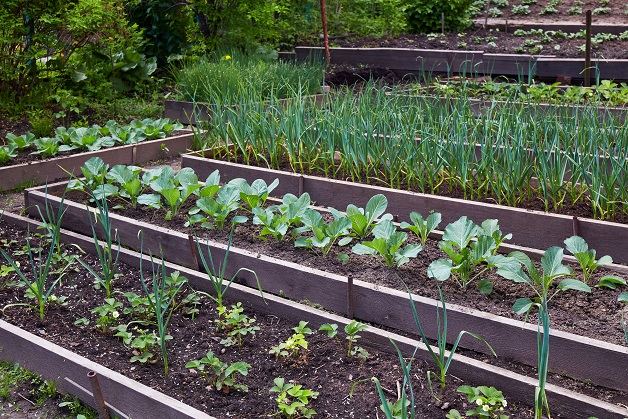
Healthy soil is the foundation of productive gardening and farming. Invest time in testing your soil’s pH and nutrient levels through local extension services or DIY kits. Based on the results, amend your soil with organic matter such as compost, aged manure, or cover crops like clover and vetch to improve fertility and structure.
For example, if your soil is acidic, adding lime can raise the pH to optimal levels for most vegetables. Incorporate compost regularly to boost microbial activity and improve drainage. Mulching around plants conserves moisture, suppresses weeds, and adds organic matter as it decomposes. Building rich soil not only increases yields but also reduces the need for chemical fertilizers.
Choosing the Right Crops and Livestock
Select crops and animals suited to your climate, soil type, and personal preferences. For example:
- Vegetables: Tomatoes thrive in warm climates with plenty of sunlight; leafy greens like kale and spinach grow well in cooler seasons.
- Fruits: Apples require a dormant period but can be highly productive; strawberries are easy to grow in containers or garden beds.
- Livestock: Chickens are excellent for beginners due to their hardy nature and high egg production; goats are versatile animals that can provide milk and help clear brush.
Research the specific needs of each species to ensure they will thrive on your land. Consider starting with hardy varieties that are known for their resilience and ease of care.
Implementing Sustainable Practices
Sustainability is at the heart of homesteading. Use organic gardening methods—avoid synthetic pesticides and fertilizers—and practice crop rotation to prevent soil depletion. Compost kitchen scraps and yard waste to create nutrient-rich compost that feeds your garden naturally.
Rainwater harvesting systems can reduce dependence on municipal water supplies. Installing solar panels or wind turbines can generate renewable energy for your household needs. Additionally, consider permaculture principles—designing your landscape to mimic natural ecosystems—to enhance biodiversity and resilience.
Preserving Food for Self-Sufficiency
Preservation techniques extend your harvests beyond the growing season. Popular methods include:
- Canning: Use water bath or pressure canning to store fruits, vegetables, jams, and sauces safely for months or years.
- Freezing: Freeze berries, herbs, and cooked meals for quick access later.
- Dehydrating: Dry herbs, mushrooms, or fruits using dehydrators or oven drying techniques.
- Fermentation: Make sauerkraut, kimchi, or yogurt to boost probiotics in your diet.
Learning these skills ensures you have nutritious food year-round and reduces reliance on store-bought products.
Managing Pests and Diseases Naturally
Pest management is crucial for healthy crops and animals. Instead of chemical pesticides, adopt integrated pest management (IPM) strategies such as:
- Crop rotation: Prevents pest buildup by changing plant families each season.
- Companion planting: Plant marigolds near tomatoes to deter nematodes or basil with peppers to repel aphids.
- Encouraging beneficial insects: Attract ladybugs and pollinators by planting wildflowers or flowering herbs.
- Manual removal: Handpick pests or use physical barriers like row covers.
This approach promotes a healthy ecosystem where pests are kept in check naturally.
Learning Basic Animal Care
If raising animals is part of your homestead plan, start with simple species like chickens or rabbits. For example:
- Chickens: Require a secure coop with nesting boxes; feed them a balanced diet of grains and kitchen scraps; provide clean water daily.
- Rabbits: Need a hutch with proper ventilation; feed hay, fresh vegetables, and pellets; ensure they have space to hop around.
Regular health checks and understanding common ailments are vital. Establish relationships with local veterinarians familiar with small-scale livestock care.
Connecting with Community Resources
Homesteading doesn’t mean doing everything alone. Join local gardening clubs, online forums, or community-supported agriculture (CSA) programs to exchange knowledge and resources. Attend workshops on topics like beekeeping or mushroom cultivation offered by extension offices or local farms.
Many communities have seed exchanges where you can obtain heirloom seeds suited to your region at little or no cost. Building a network of fellow homesteaders provides support, motivation, and shared expertise.
Planning for Long-Term Sustainability
Create a detailed plan that includes crop rotation schedules, livestock management routines, food preservation timelines, and energy needs. Keep records of planting dates, harvest yields, weather patterns, and lessons learned each season. This documentation helps refine your practices over time.
Invest in durable tools and infrastructure—such as sturdy fencing or rainwater tanks—that will serve you for years. Continuously educate yourself through books, online courses, or mentorship programs to stay updated on sustainable practices and innovative techniques.
Final Thoughts: Embracing the Homesteading Lifestyle
Starting homesteading is an exciting adventure filled with challenges and rewards. It requires patience, dedication, and a willingness to learn from mistakes. Remember that every small step—planting a row of carrots or building a compost bin—is progress toward greater self-sufficiency and harmony with nature.
By focusing on sustainable practices, building community connections, and continuously expanding your skills, you’ll create a resilient homestead that provides nourishment for your family and contributes positively to the environment. Embrace the journey with enthusiasm and curiosity—your sustainable lifestyle awaits!
Other Questions People Ask
What are the first steps to take when getting started with homesteading as a beginner?
Begin by researching your local zoning laws and regulations to ensure homesteading is permitted in your area. Develop a simple plan that includes growing a vegetable garden, composting, and raising a few animals like chickens. Start small with manageable projects to build confidence and skills gradually. Educate yourself through books, online resources, and local homesteading communities for practical advice.
How can I assess my land and resources effectively when starting with homesteading?
Evaluate your land’s climate, soil quality, sunlight exposure, and water sources to determine suitable projects. Take note of existing structures and tools you already own to repurpose them. Conduct soil tests if possible, and identify natural resources like ponds or rainwater collection systems. This assessment helps you set realistic goals aligned with your land’s potential.
What are some beginner-friendly projects to focus on when getting started with homesteading?
Start with a small vegetable garden growing easy crops like lettuce, radishes, or zucchini. Consider raising a small flock of chickens for fresh eggs, which requires minimal space and maintenance. These projects help you learn essential skills such as soil preparation, planting schedules, and basic animal care. As you gain experience, you can gradually expand into more complex endeavors.